
Last updated November 25, 2026
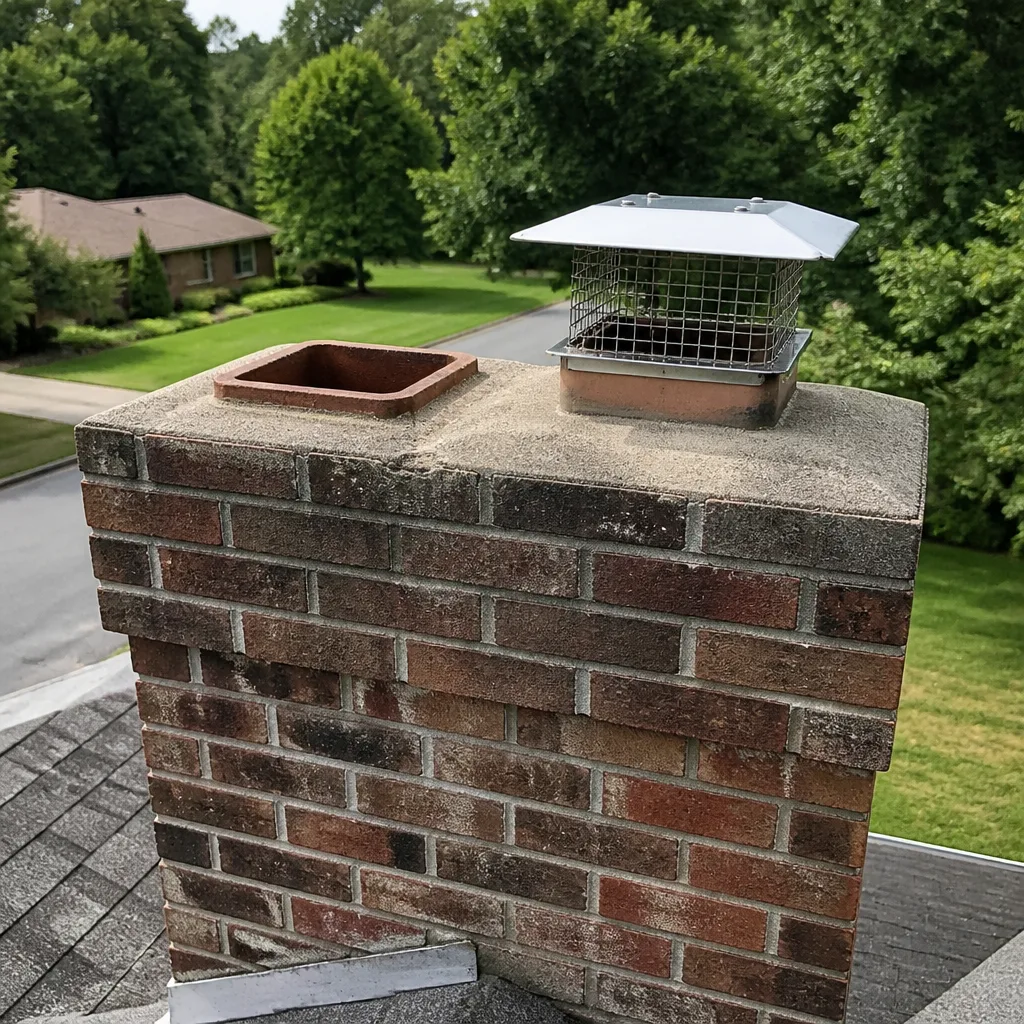 Sweep & inspection
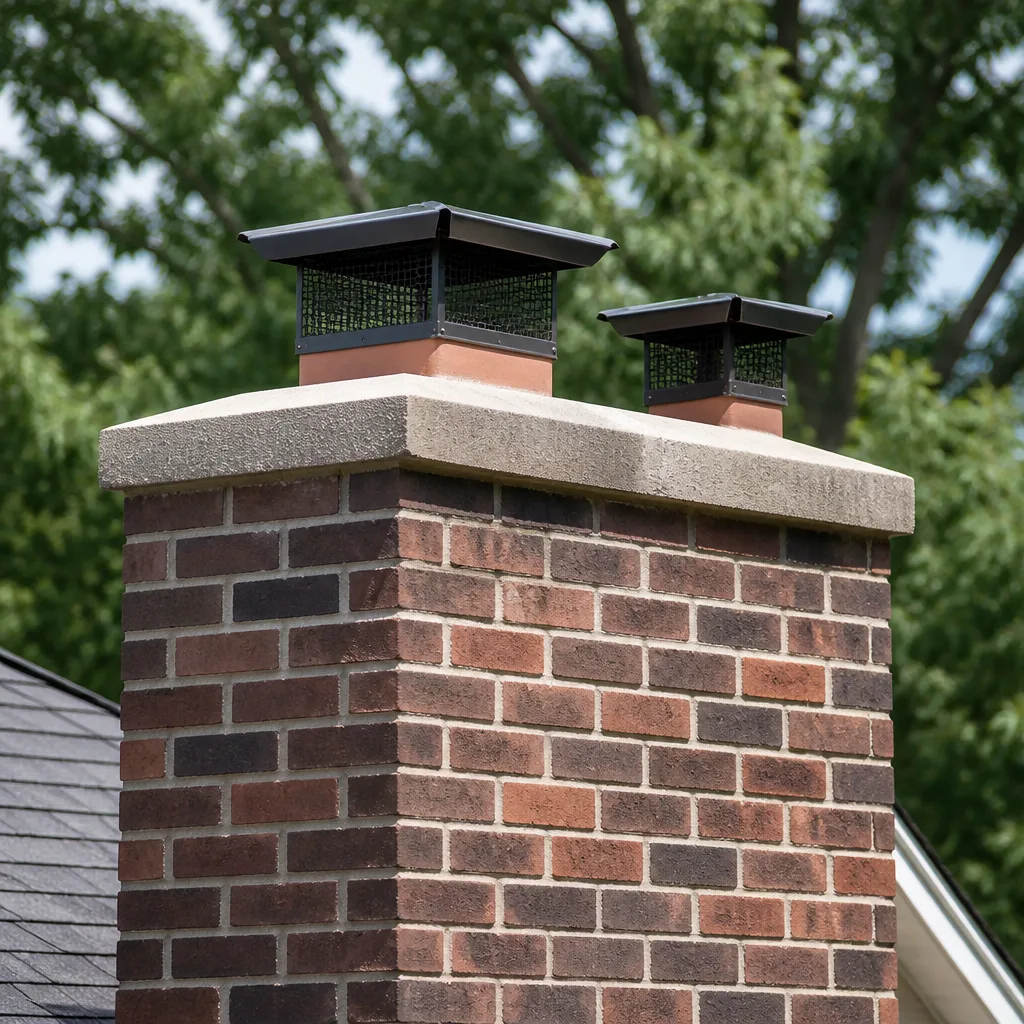 Caps & crowns
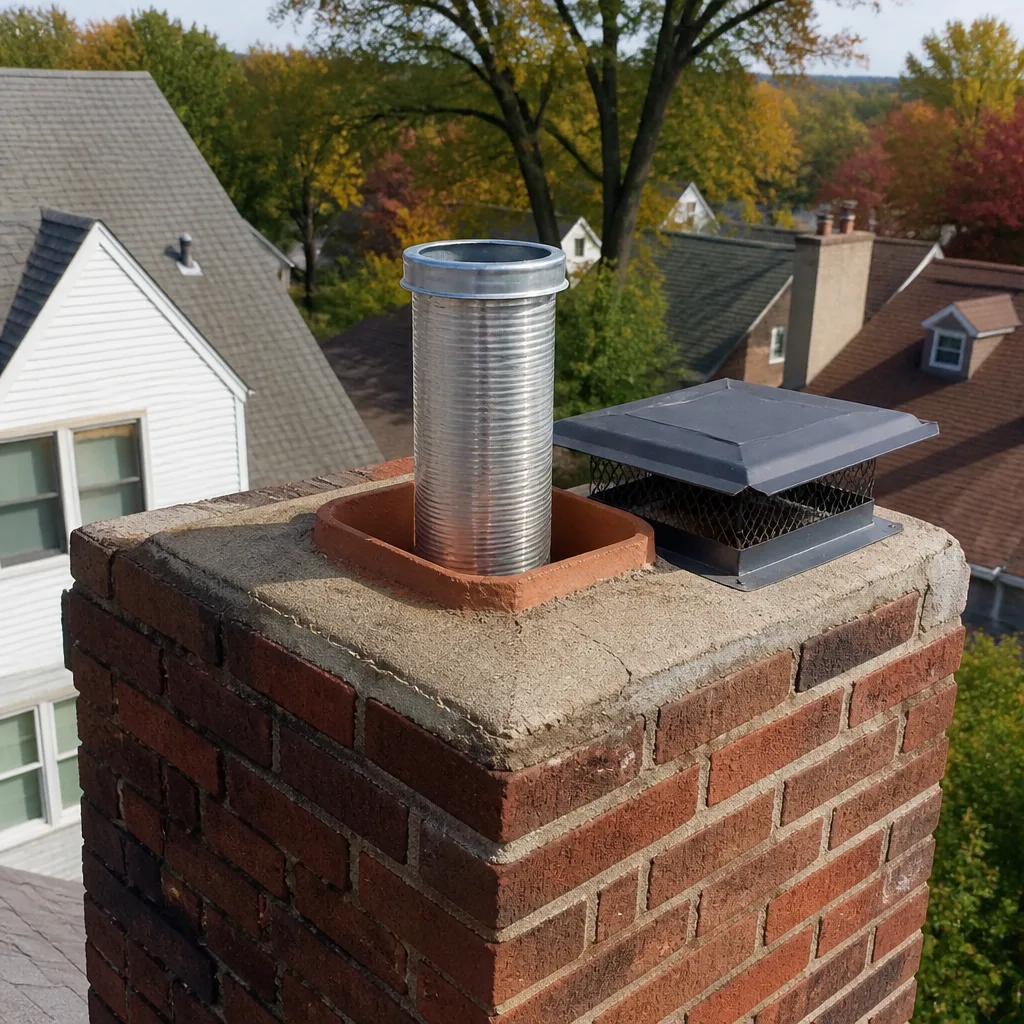 Flue relining
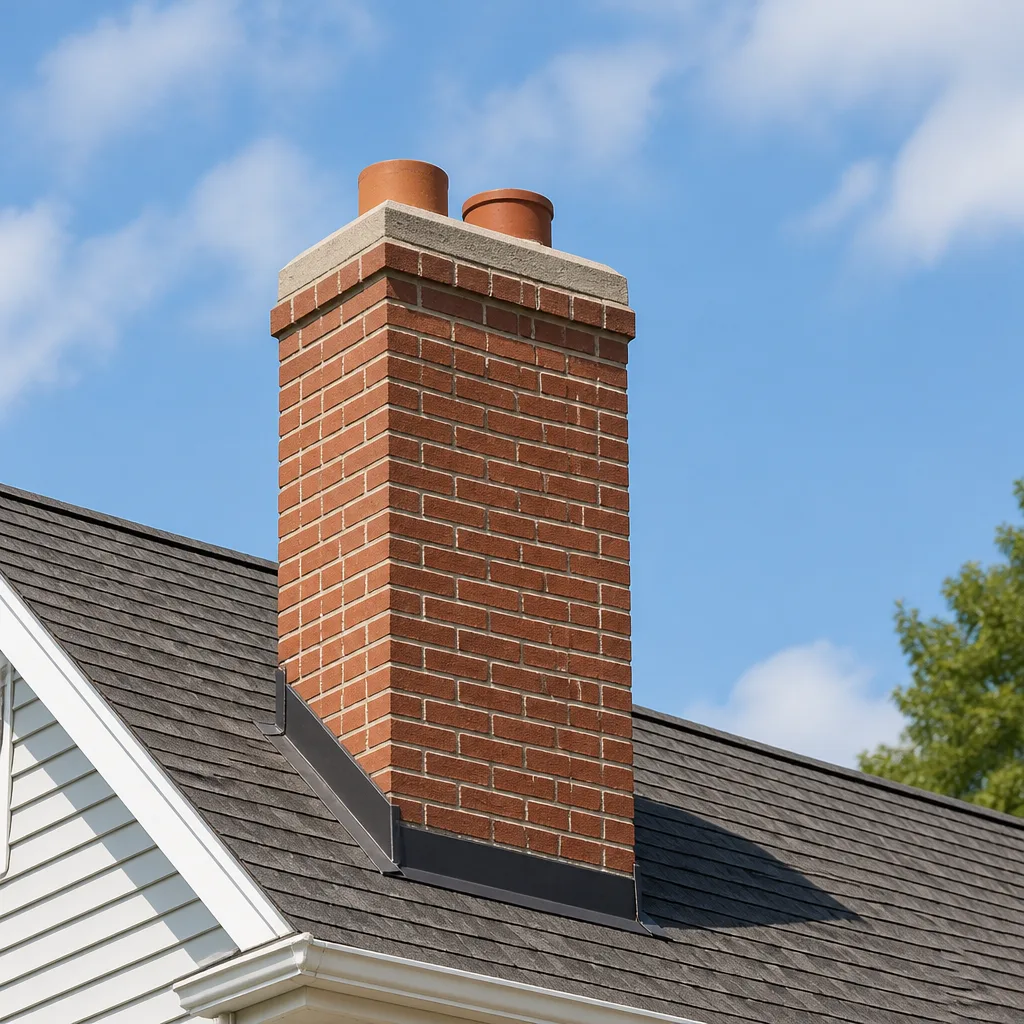 Masonry repair
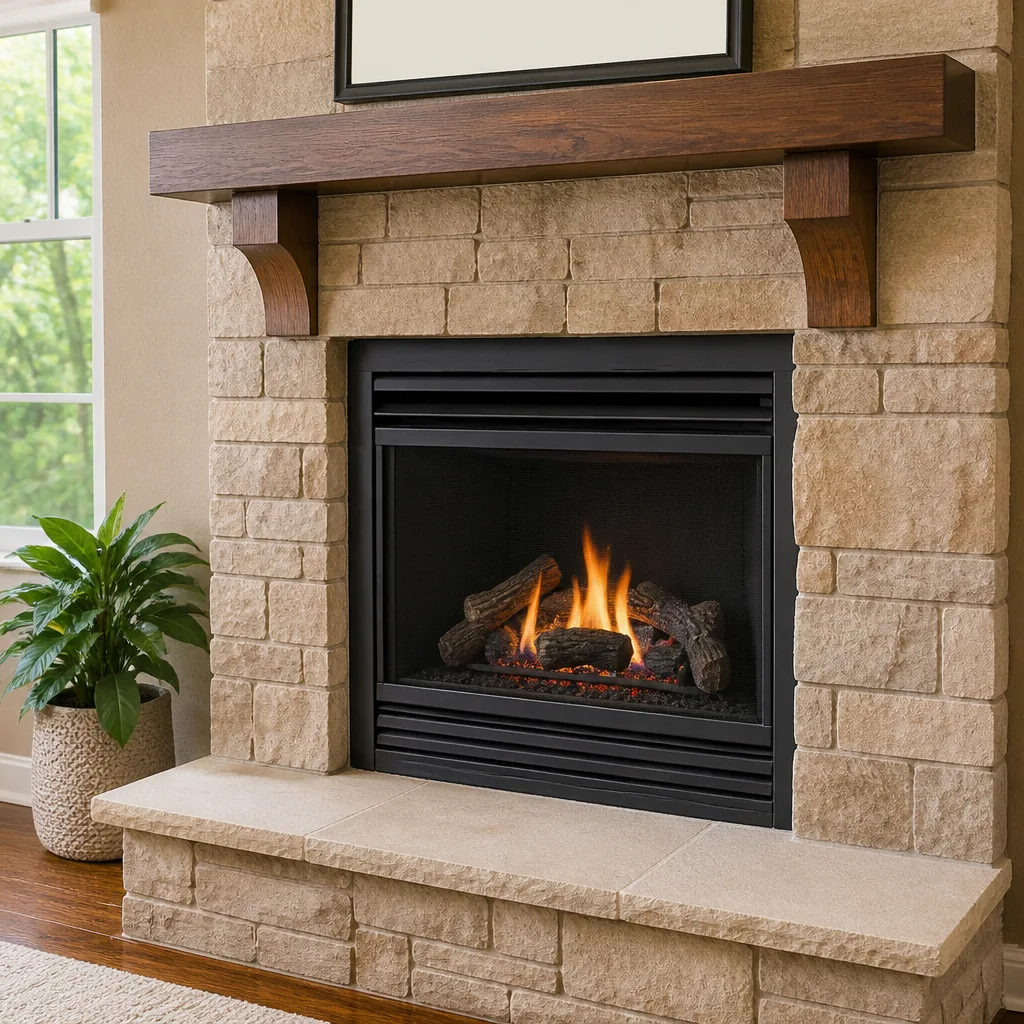 Gas fireplace service
Level 1 sweep and inspection to the NFPA 211 annual standard - flue, crown, cap, and flashing checked and photographed
Chimney sweep logs do not sweep chimneys. They loosen some creosote - which then falls where a brush and vacuum still have to collect it.
Chimney Sweep Maintenance Checklist for Jamaica Plain Homeowners
Most chimney checklists floating around online were written for chimneys built to modern spec: stainless liners, poured crowns, factory-built fireplaces. If your Jamaica Plain home went up before 1960, and a good share of the triple-deckers and single-families around here did, at least three items on that list either don’t apply to your chimney or leave out something more important. Older masonry chimneys in Jamaica Plain deal with unlined flues, soft original brick, and a freeze-thaw cycle that punishes every joint on the stack. This guide is built around those failure modes, not the new-construction ones. You’ll get a season-by-season checklist, a simple mortar test you can do yourself, and the documentation that makes your next sweep far more useful.
Quick Answer
A safe chimney in Jamaica Plain needs four things checked every year: the flue interior for creosote and liner condition, the mortar joints and crown on the exterior, the damper and smoke chamber, and the cap. Homes built before 1960 need extra attention on unlined or clay-tile flues, which crack and spall faster here than in new construction. Most of the checklist you can confirm visually; the flue scan and any repair call belong to a trained sweep. Inspect first, then recommend – no work should be quoted without evidence you can see.
Styles & brands we work with
- Sweep & inspection
- Caps & crowns
- Flue relining
- Masonry repair
- Gas fireplace service
Table of Contents
- Why Jamaica Plain Chimneys Age Differently
- The Annual Chimney Sweep Checklist
- Unlined and Clay-Tile Flues vs. Stainless Liners
- Seasonal Timing for Boston-Area Freeze-Thaw
- The Mortar Probe Test You Can Do Yourself
- Damper and Smoke Chamber: What You Can Confirm Without a Camera
- What to Document Between Annual Sweeps
- Common Mistakes to Avoid
- When to Call a Professional
- Frequently Asked Questions
Why Jamaica Plain Chimneys Age Differently
The chimneys on many Jamaica Plain homes were built as part of a larger masonry stack – shared with neighboring units in the triple-deckers, or standing as a full exterior wall on the older single-families. That construction is strong, but it isn’t the same as a modern chimney, and it ages differently. Original brick is often softer than what’s made today, and many of these stacks were laid with lime mortar, which is more forgiving of movement than modern cement but also more vulnerable to water. Once a lime joint starts to erode, it pulls in moisture, freezes, and opens further. Jamaica Plain sees enough winter freeze-thaw cycling to work through several dozen of those cycles in a single season, and each one widens the crack.
The interior has its own story. Before roughly the mid-1950s, plenty of Boston-area chimneys were built with no liner at all, just the brick itself containing the flue. Clay tile came later, and even then the tiles often stopped short of the top of the stack, or were laid in short sections with mortar joints that crack under heat cycling. When we run a camera down a Jamaica Plain flue, the failures we find most often are unlined walls with eroded mortar, clay tile with cracked joints, and gaps where the tile meets the smoke chamber. None of those are visible from the firebox, which is why the annual inspection matters more here than a generic checklist suggests.
Then there’s the shape of the neighborhood housing. Jamaica Plain homes cluster tightly, and many fireplaces share a masonry mass with a neighbor’s. Water that gets into the crown or mortar joints on one side of the stack can travel. Sealing the crown and cap properly protects your flue and the shared structure around it.
The practical upshot: if your checklist was adapted from a national template, replace the “check for liner gaps” line with “confirm whether there’s a liner at all, and if so whether it’s clay tile or stainless.” That single change moves the checklist from generic to useful for your specific chimney. And when the flue needs relining, we install DuraFlex flexible liner systems, which fit clay-tile and masonry flues that were never designed to take a rigid section.
The Annual Chimney Sweep Checklist
Here’s the full checklist we work through on a Jamaica Plain chimney, in order. The items marked “homeowner” you can confirm visually before you call. The rest need a trained sweep with the right tools.
- Firebox and damper (homeowner): Look for cracked firebrick, missing mortar, and a damper that opens and closes cleanly. Check that the damper plate isn’t warped or rusted shut.
- Smoke chamber (homeowner, limited): With a flashlight, look up past the damper. You should see a smooth, sloped surface, not brick ledges where soot collects.
- Flue interior (sweep): A camera scan confirms creosote thickness, liner type, and any cracks or gaps. On an unlined masonry flue, this is the most important step.
- Cap and crown (homeowner, from the ground or a window): The cap should sit securely with an intact screen. The crown should slope away from the flue and be free of cracks wider than a hairline.
- Exterior mortar joints (homeowner, probe test): See the probe test section below for the exact method.
- Flashing where the chimney meets the roof (sweep): Failed flashing is one of the most common water-entry points on older Jamaica Plain roofs.
- Sweep the flue (sweep): A proper sweep removes creosote and soot from the full height of the flue, then vacuums the firebox clean.
- Document the findings: Keep the sweep report, photos, and any repair quotes together. See the documentation section.
Every one of those items serves a purpose. The point of a checklist isn’t to be long; it’s to make sure nothing on your chimney gets skipped because it was out of sight. Inspect first, then recommend – if a technician quotes liner or masonry work without a camera image you can see, that’s your signal to ask for one.
Unlined and Clay-Tile Flues vs. Stainless Liners
The single biggest difference between a Jamaica Plain chimney and the generic checklist is what’s inside the flue. Three flue types show up in this neighborhood, and each one has its own set of concerns.
Unlined masonry flue
Just brick, no liner. Common in homes built before the mid-1950s. The interior brick face erodes over decades of heat exposure, and any gap or missing mortar behind it becomes a pathway for heat and carbon monoxide to reach the structure. An unlined flue should be scanned every year, and a professional will usually recommend relining with a stainless system or resurfacing with a proven product like HeatShield if the flue is intact enough to accept it. HeatShield resurfacing can restore a sound but pitted flue without a full tear-out, which makes it a strong option for Jamaica Plain masonry that’s weathered but not failing.
Clay-tile liner
Better than nothing, but clay tile cracks. The tiles are laid in short sections with mortar joints, and each heat cycle expands and contracts them. A cracked joint, a spalled tile, or a gap where the tile ends short of the top of the stack all create a path for creosote or gases to reach the surrounding brick. The annual camera scan is what catches these before they become structural.
Stainless steel liner
Where we’ve installed a DuraFlex flexible liner or another stainless system, the chimney is dramatically easier to keep safe. Stainless resists creosote adhesion, doesn’t crack like clay, and gives a continuous smooth path from the appliance to the cap. The annual check is still essential – creosote still builds up – but the failure mode is different: you’re checking for creosote buildup and the condition of the cap and crown, not for a breach in the liner itself.
A quick way to know which category you’re in: open the damper and look up with a flashlight. Bare brick is unlined. Rectangular clay-colored sections are clay tile. A smooth round metal tube is stainless. If you can’t tell, that’s the first thing to ask your sweep.
Seasonal Timing for Boston-Area Freeze-Thaw
Most checklists say “schedule a sweep in the fall.” That’s not wrong, but it’s too generic. In Jamaica Plain, the useful timing anchors to the actual freeze-thaw cycle and to when you’re planning to burn.
- Early fall (September through October): Book the sweep and inspection before the first fire. Mortar joints that opened over the summer of heating and cooling should be caught before they’re frozen into cracks. Creosote from last season gets removed before it can catch a spark.
- Late fall, before the first hard freeze: Seal the crown and cap if the inspection flagged them. Any water trapped in a mortar joint when hard frost hits will expand and push the joint further apart. This is the timing that matters most in Jamaica Plain’s older masonry.
- Mid-winter (January through February): If you burn regularly, keep an eye on creosote. A mid-season glance up the flue with a flashlight from the firebox is enough to spot heavy buildup; call for a mid-season sweep if it looks thick.
- Early spring (March through April): After the heating season, this is the window to assess freeze damage. A joint or crown that cracked over the winter is visible now, and any repair gets done before the next burn season.
- Summer (July through August): The best time to schedule cap and crown work, masonry repairs, or a reline. The flue is idle, so a new liner or a fresh crown can cure properly.
The freeze-thaw cycle in Jamaica Plain runs long. Some seasons the ground thaws and refreezes into March, meaning the number of freeze-thaw events on any exposed mortar joint is high compared to a milder climate. That’s the argument for getting the exterior inspection and any mortar or crown repair done in the fall, not waiting until spring. Damage that gets through one winter can double before the next warm spell.
A clean chimney is the starting point – a safe, sealed system is the goal. The seasonal calendar is how you get from one to the other without missing a step.
The Mortar Probe Test You Can Do Yourself
Before you call a sweep, you can get a useful read on your exterior mortar joints. It won’t replace the inspection, but it will tell you whether to have the exterior look moved to the top of the list. Do not climb the roof to do this. Stay on the ground or look out an upper window at whatever portion of the stack is safely visible.
- Pick a spot you can see safely. The visible portion of the stack, or a joint you can reach from a window with a long handle. Never lean out or climb.
- Look for open joints. A hairline crack is normal in an older joint. A joint you can see into, where the mortar has receded from the brick face, is a problem.
- Use a soft probe, not a tool. A wooden skewer or a plastic utensil is enough. A screwdriver or knife can damage the joint or injure you. If the joint is friable, the probe should crumble it without force.
- Press gently into the mortar between two bricks. If it feels soft, sandy, or pushes in easily, the joint is failing. Hard, gritty resistance is normal.
- Look for white staining on the brick face. That’s efflorescence, a sign that water is moving through the masonry. It’s not a crisis on its own, but it’s a flag for the sweep to check.
- Look for spalling brick faces. Brick where the face has popped off is more serious than a soft joint and needs a professional assessment.
Any of those findings – soft joints, receded mortar, spalling brick, efflorescence – is a reason to have the exterior inspected. Repointing (the trade term for replacing the failed mortar) is straightforward when it’s caught early. Once the brick itself starts spalling, or the joint failure lets water behind the stack, the cost and scope escalate quickly.
Damper and Smoke Chamber: What You Can Confirm Without a Camera
The damper and smoke chamber are the parts of the chimney system a homeowner can actually assess. You don’t need a camera for the visual checks; you need a flashlight and a willingness to open the damper fully and look.
Damper checks
- Open and close: The damper should move smoothly through its full range. A damper that sticks, or won’t seal closed, is a problem for both draft control and heat loss.
- Warping or rust: Look at the damper plate itself. Warped metal or heavy rust is a sign of past overheating or moisture.
- Gasket and hinge: If your damper has a gasket, it should be intact. A damaged hinge arm is a reason to have it looked at before the next burn season.
Smoke chamber checks
The smoke chamber is the sloped area between the damper and the flue. With a flashlight aimed up past the damper, you should see a smooth, sloped surface. Bricks stacked in ledges, the wrong slope, or visible gaps are signs the chamber was built poorly or has eroded. Creosote collects on those ledges, and the build-up isn’t always visible from the firebox floor. A camera scan of the smoke chamber should be part of any annual inspection on a Jamaica Plain chimney that predates modern construction practice.
If your fireplace is pulling smoke into the room rather than up the flue, that’s often a sign that the smoke chamber is the wrong shape, the damper is closed too far, or the flue itself is blocked or undersized for the firebox. Before you assume the chamber needs rebuilding, the first step is an inspection with the camera – sometimes the fix is as simple as a properly trimmed damper and a swept flue. That’s the inspect-first-then-recommend principle at work.
What to Document Between Annual Sweeps
The most useful thing you can bring to a sweep is a record of what your chimney has actually done over the past 12 months. The camera scan is only half the story; the other half is how you’ve used the fireplace and what you’ve noticed. Keep a small file, digital or paper, with the following.
- Sweep date and findings. Ask for the written report from every annual sweep and the camera photos if offered. If your sweep offers a photo report, keep it.
- Evidence of creosote thickness. A quick note of what the sweep found on the last scan – light, moderate, or heavy – tells the next technician what rate of buildup to expect. Rate of buildup is a firebox and wood-fuel habit, and it changes over time.
- Wood source and species. Note the type of wood you burn and when it was cut and split. Seasoned wood builds creosote slower than green wood, and the year-over-year record tells a sweep whether your fuel is the source of the buildup.
- Damper and smoke-chamber observations. Note anything you noticed – sticking damper, smoke roll-out into the room, a funny smell. Those observations guide the next inspection.
- Exterior mortar and crown notes. Which joints you probed, what you found, and any change since last year. Photos from the same vantage point year over year are useful here.
- Repairs done and materials used. Note the brand and type of any liner or resurfacing work – for example, a DuraFlex liner installation or HeatShield resurfacing. A technician coming to the chimney two years later needs to know what’s inside the flue.
- Cap and crown replacements. Record the material and date. Stainless caps age differently from stamped aluminum and knowing the age guides the next inspection.
In practical terms, five minutes of notes after each visit saves a much longer conversation at the next one. If you’ve had a stainless liner installed and can recall the system, the next inspection gets more precise. If you’ve been burning mostly green wood, the next sweep knows to look harder for creosote. This is the documentation that makes an annual chimney sweep more than a routine cleaning.
Common Mistakes to Avoid
- Assuming “annual” means only the flue. The flue is one part of the system. The crown, the cap, the mortar joints, and the damper all need checking. A cleaning without an exterior look leaves the biggest failure modes unaddressed.
- Waiting until the first cold week to call. Jamaica Plain’s sweeps are busiest in October. A joint that cracks in September gets caught in September; the same joint cracks wider in November. Book the inspection in early fall and the crown work right after.
- Believing an unlined flue is “fine because it hasn’t caught fire.” Unlined masonry flues with eroded interior mortar are a known pathway for carbon monoxide. The absence of a fire isn’t evidence of safety.
- Letting a hairline crack in the crown go. A small crown crack lets water in, and water in a JAMAICA PLAIN winter works into every joint below. Seal it early.
- Replacing the cap with a generic one that doesn’t fit. A cap that’s too small or improperly installed lets wildlife in and blocks airflow. Use a cap sized to your flue.
- Skipping the camera scan to save time. The camera is what turns “the flue looks fine” into “the flue is fine.” On a pre-1960 Jamaica Plain chimney, it’s the most important part of the visit.
- Repointing with the wrong mortar. Older Jamaica Plain brick was designed for lime mortar. Modern cement repointing on soft historic brick can crack the brick face. Let a chimney specialist match the mortar to the masonry.
When to Call a Professional
Some checklist items you can do yourself. Others should stay with a trained sweep. Call a professional if you see any of the following: a flue that’s unlined or has visible clay-tile cracking; a soft or receded mortar joint; a spalled brick face; a crown with a crack wider than a hairline; a cap that’s loose or missing a screen; a damper that sticks or won’t seal; smell of creosote or smoke in the room with the fireplace burning; or a smoke chamber with visible ledges. Any of those is a reason to book an inspection before your next fire. A sudden creosote smell in the house, especially when the appliance isn’t running, is the one to treat without delay. The flue scan and any liner or resurfacing work belong to a trained chimney sweep.
Chimney Sweep Jamaica Plain offers free estimates in Jamaica Plain – call (844) 443-3530. We answer 24/7, with fast dispatch from 7am to 7pm, Sunday through Friday. Inspect first, then recommend: nothing is quoted without a camera image you can see, and no repair work is recommended without evidence it’s needed.
If your inspection turns up a damaged crown or a missing cap, that work falls under our chimney cap & crown service. If the firebox or damper needs attention, that’s fireplace repair. Both can be scheduled alongside the annual chimney sweep in Jamaica Plain so you’re dealing with one specialist, not several contractors.
Frequently Asked Questions
Once a year is the standard, and it’s timed to the burn season rather than the calendar year – typically early fall, before the first fire. If you burn hard through the winter, a mid-season look at creosote levels is worth doing. On an unlined or clay-tile flue in Jamaica Plain, the annual scan matters more than the annual sweep, because the failure modes we’re watching for are slow and silent. Call (844) 443-3530 to book an inspection – estimates are free.
No. A flue that’s sound and only lightly pitted can often be resurfaced with HeatShield rather than fully relined, and some clay-tile flues pass inspection without any liner work. The only honest way to know is the camera scan. A technician who quotes a reline without a photo of the interior is guessing. Book the inspection first, then decide based on what the camera shows.
The creosote builds up, the mortar joints open, and the crown cracks – and none of that is visible from the living room. The first sign is often smoke in the room, or a carbon monoxide alarm, or a sweep finding far more damage than the year would explain. Skipping one year is a manageable risk on a stainless-lined flue. Skipping several on an unlined pre-1960 Jamaica Plain chimney is the setup for the most expensive kind of repair. Call (844) 443-3530 – estimates are free.
Partially. You can check the damper, look up the smoke chamber with a flashlight, and run the mortar probe test on the exterior joints. What you can’t do safely is inspect the flue interior or the roof-level mortar, and those are the failure points on Jamaica Plain’s older stacks. The camera scan belongs to a trained sweep. Doing the homeowner checks in between just means the next professional visit has more to work with.
Keep the sweep report, any camera photos, the type and source of the wood you burn, notes on the damper and smoke chamber, and a record of any repairs and the materials used (a DuraFlex liner, HeatShield resurfacing, a new cap or crown). A few minutes of notes each fall saves a much longer conversation at the next inspection. It also makes it easier for a technician two years later to know what’s inside your flue.
Both. A wood-burning stove has a flue that needs the same annual scan, and stoves are often harder on a flue because they can run hotter for longer. The difference is the appliance end: a stove has its own connector, and the inspection starts from the connector rather than the firebox. The checklist items on the crown, cap, mortar, and documentation all apply. Call (844) 443-3530 for a free estimate and we’ll tailor the checklist to your appliance.
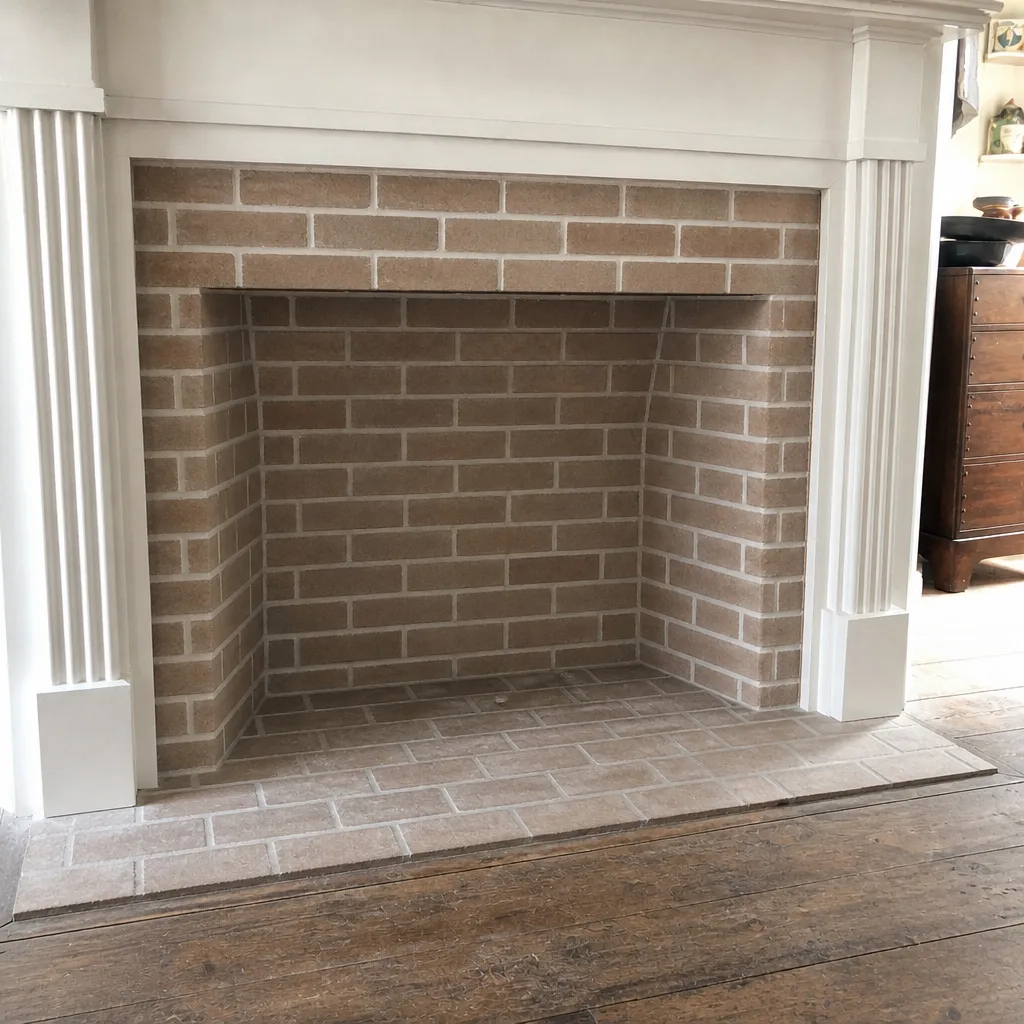
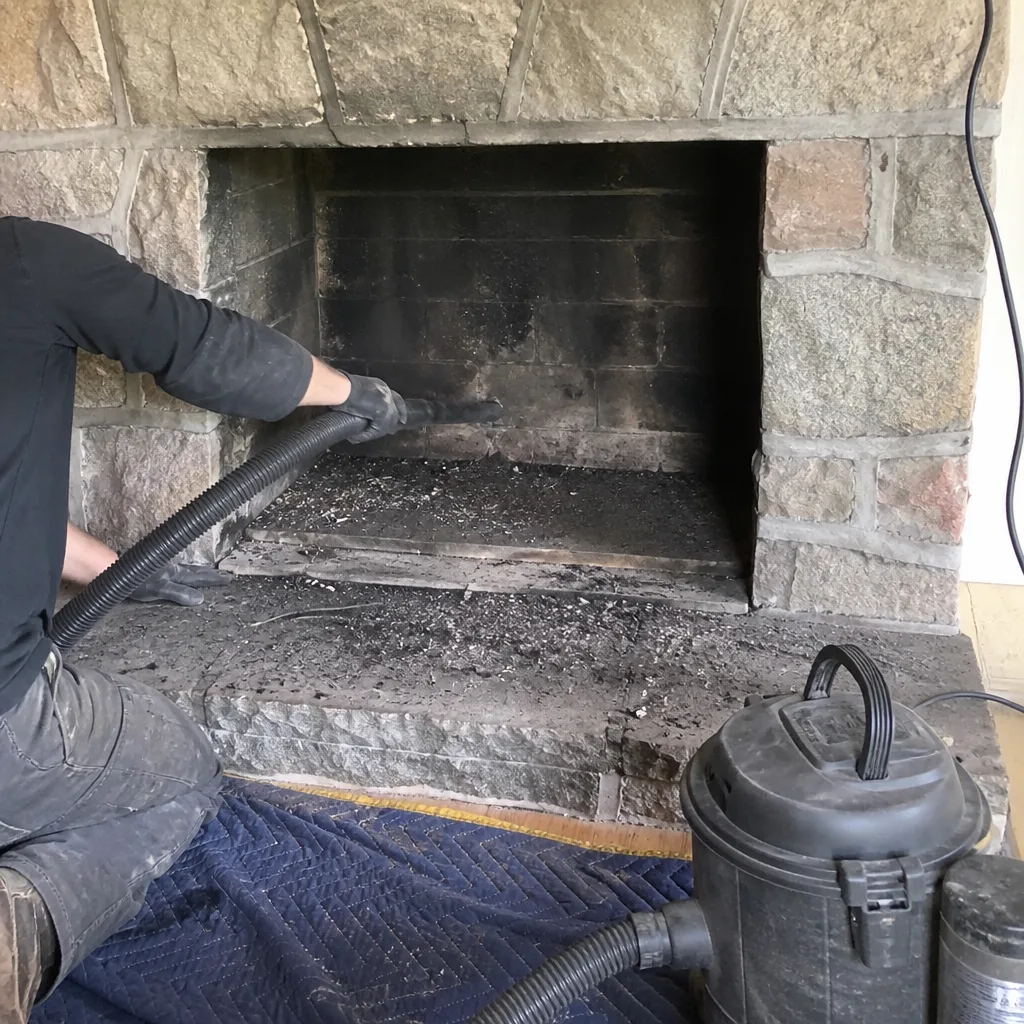
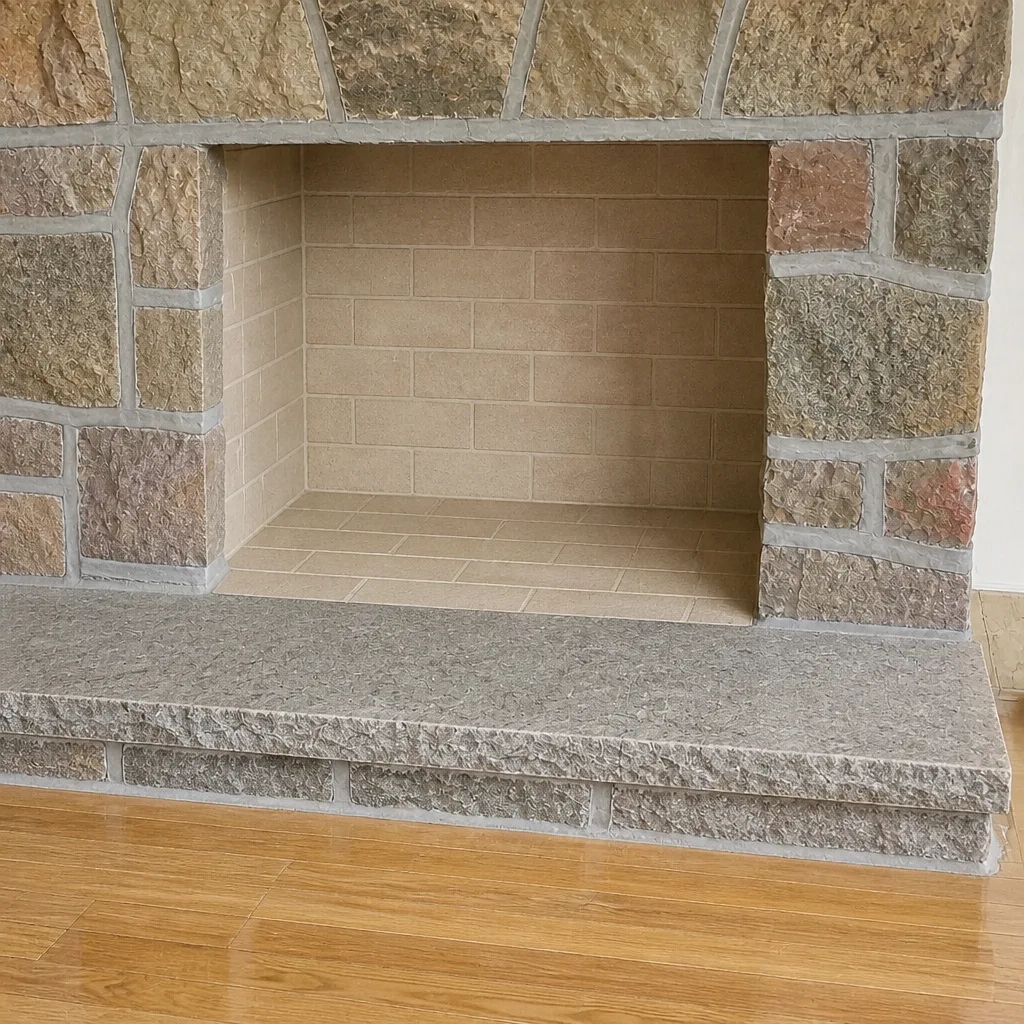
See the difference
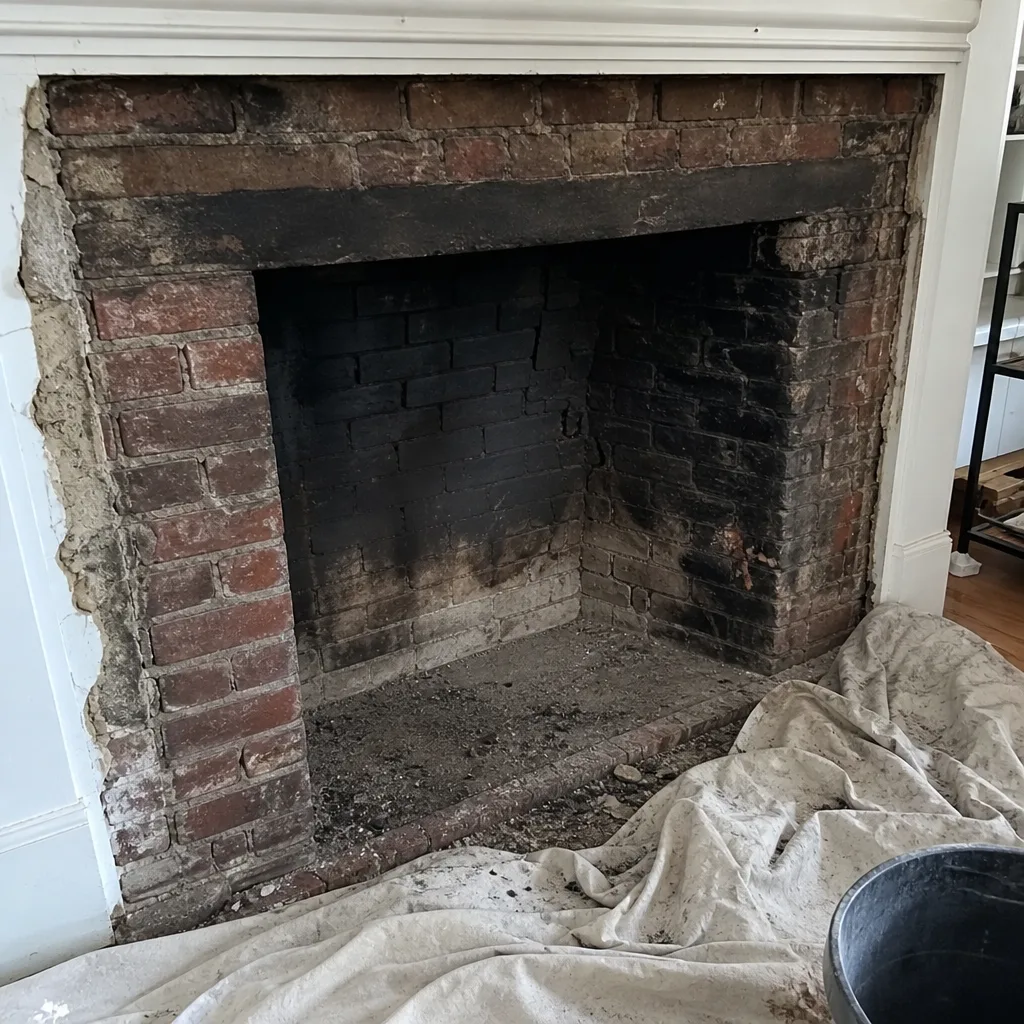 Before
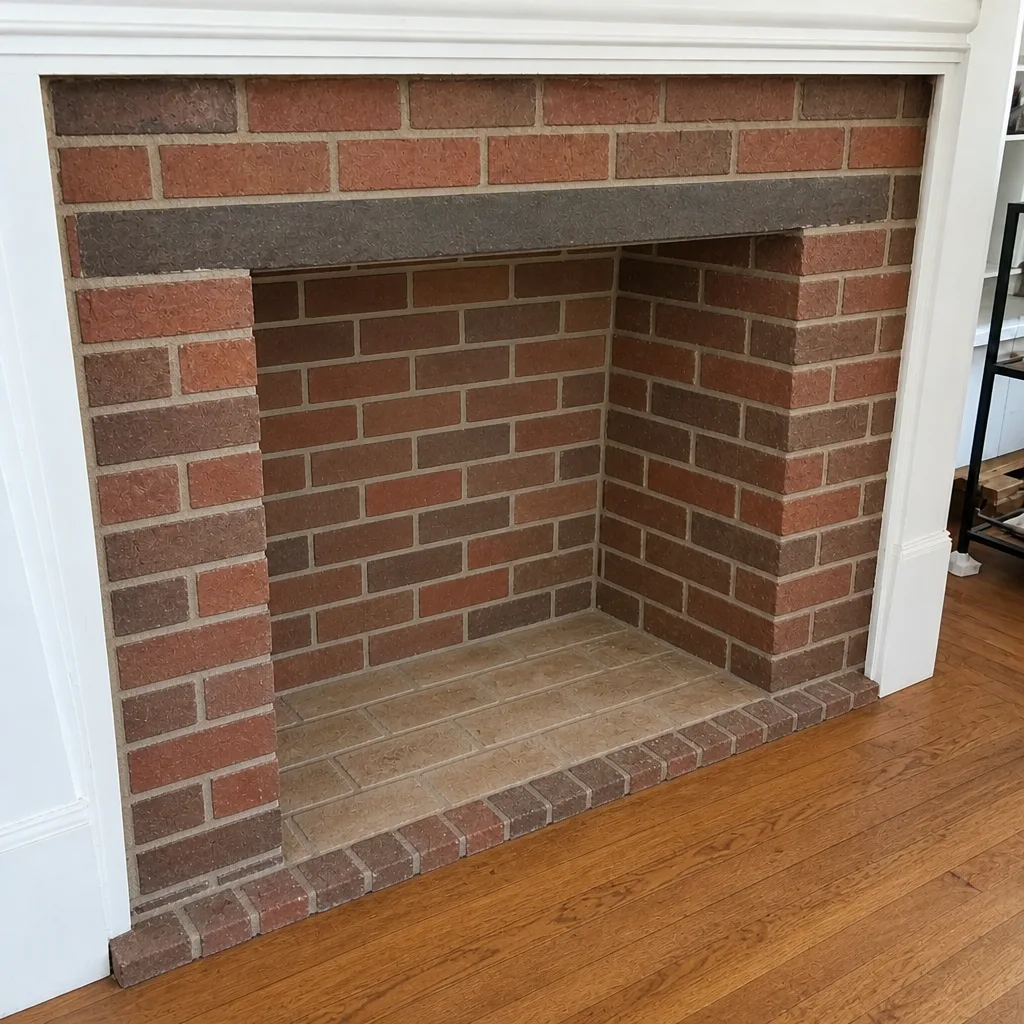 After
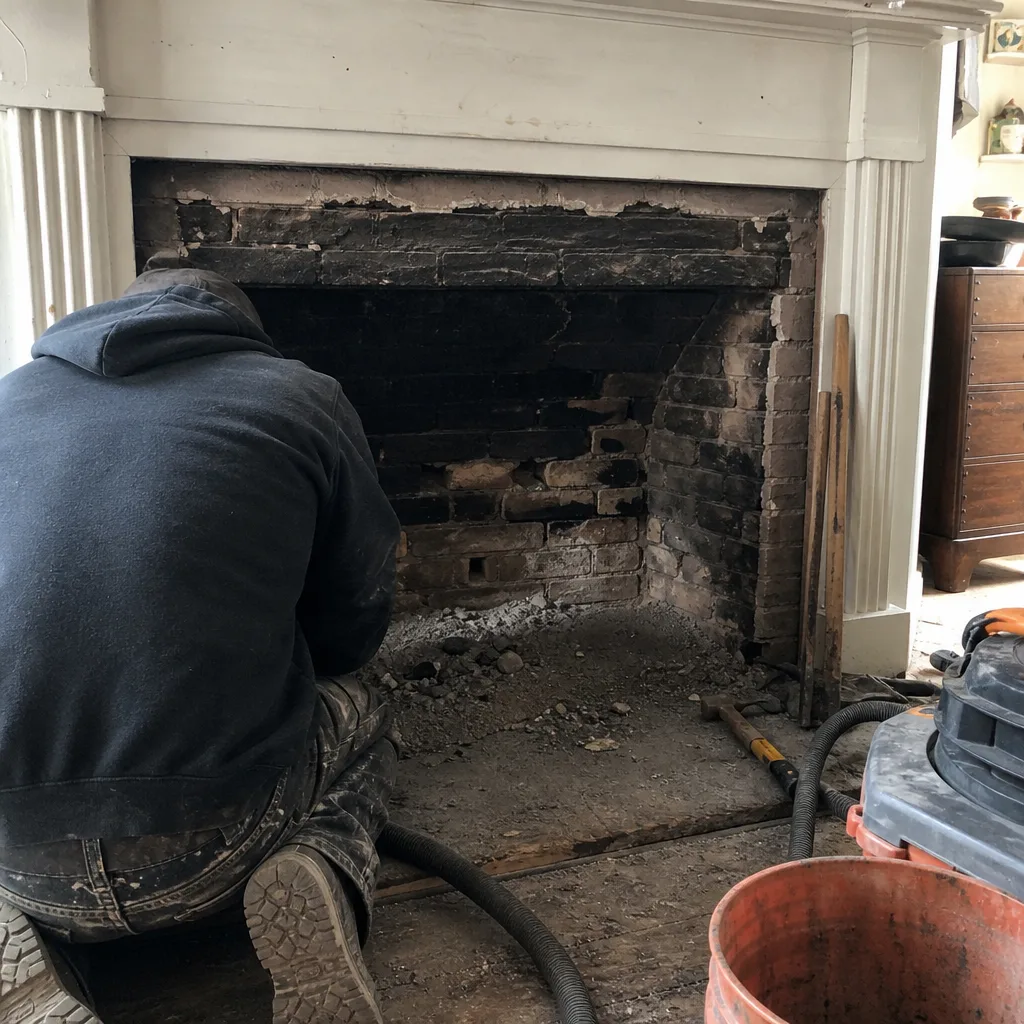 Before
 After
 Before
 After
The Bottom Line
A chimney checklist is only useful if it matches what can actually go wrong with your chimney. In Jamaica Plain, the biggest risks sit on the pre-1960 masonry stack: an unlined or clay-tile flue, a mortar joint that softens in the freeze-thaw cycle, a crown that cracks and lets water work farther down each season. The items you can confirm yourself – the damper, the smoke chamber with a flashlight, the mortar probe test, the cap and crown from the ground – are worth doing every year. The flue scan, relining, resurfacing, and any crown or masonry repair belong to a trained sweep, and none of it should be quoted without evidence you can see. Keep good notes between visits, book the inspection before the first fire, and treat the exterior as seriously as the interior. If you want the whole system checked, from cap to firebox, that’s what we do.
Contact Us
Chimney Sweep Jamaica Plain handles the full chimney system in one place: the annual sweep, chimney cap & crown installation and repair, fireplace repair, chimney repair, and standalone chimney inspections. We work with professional-grade materials from brands like DuraFlex, HeatShield, Olympia Chimney, Copperfield, Famco, and Gelco – the same suppliers certified chimney contractors specify nationwide. Our technicians have up to 14 years of experience, and we’re chimney specialists exclusively, not a side service for a general contractor. Nothing is recommended without camera evidence you can see, and we’re honest when a repair can safely wait. Call (844) 443-3530 for a free estimate. We answer 24/7, with fast dispatch from 7am to 7pm, Sunday through Friday. One specialist for the full chimney – from cap to firebox.
Written by the team at Chimney Sweep Jamaica Plain.