
Last updated November 25, 2026
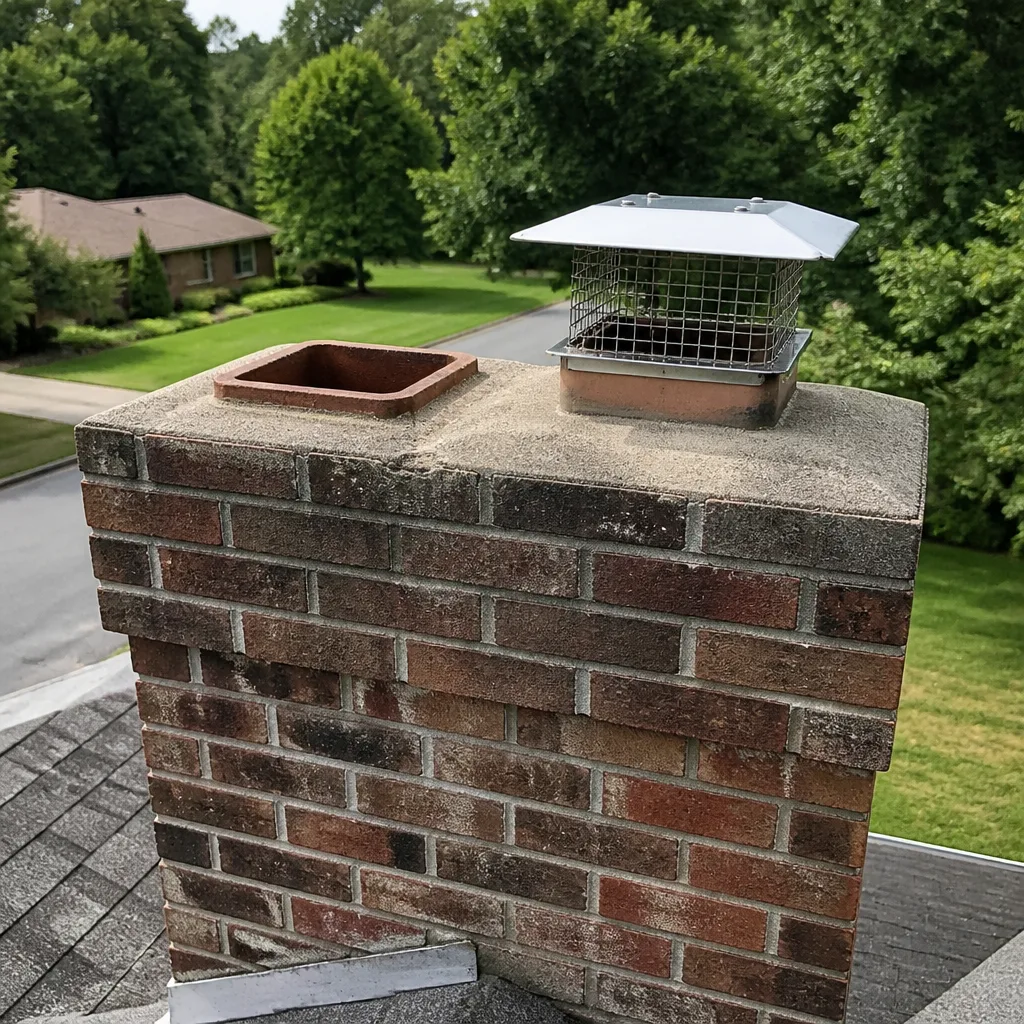 Sweep & inspection
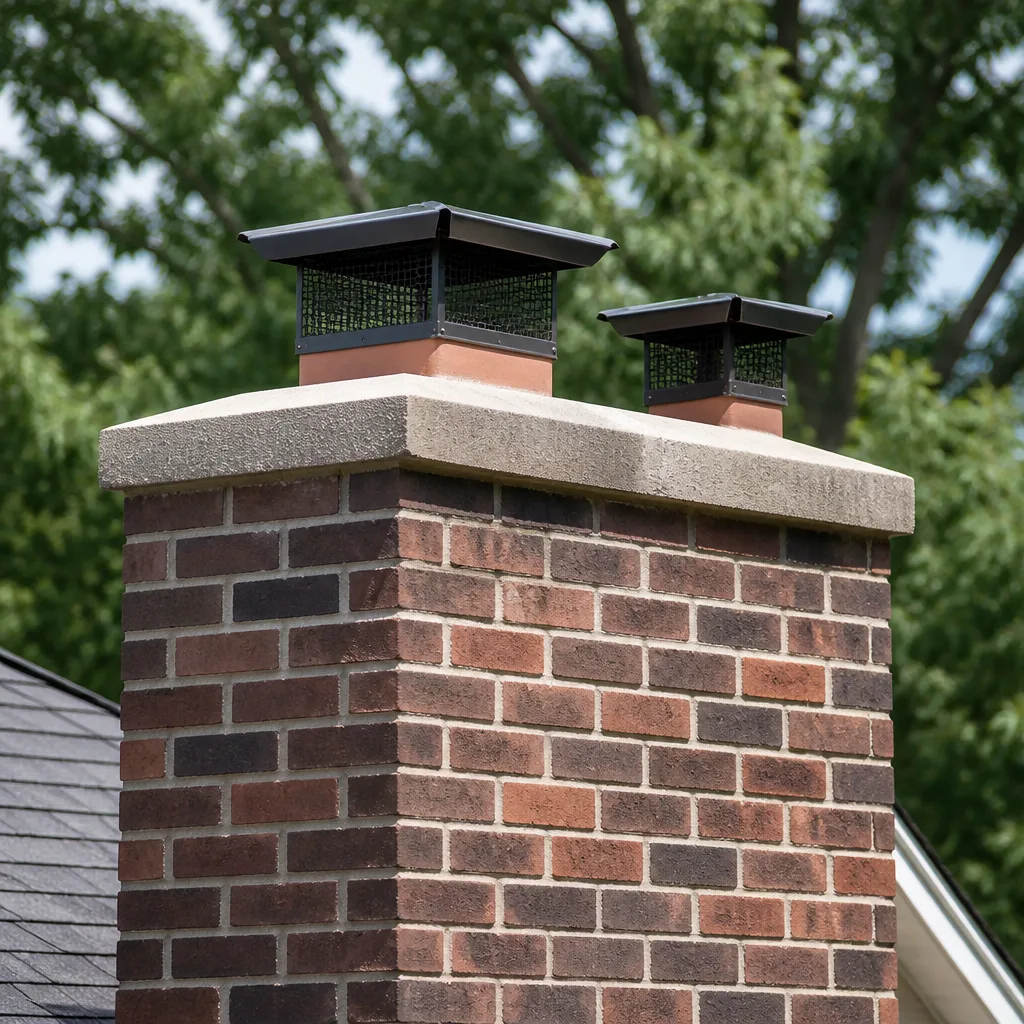 Caps & crowns
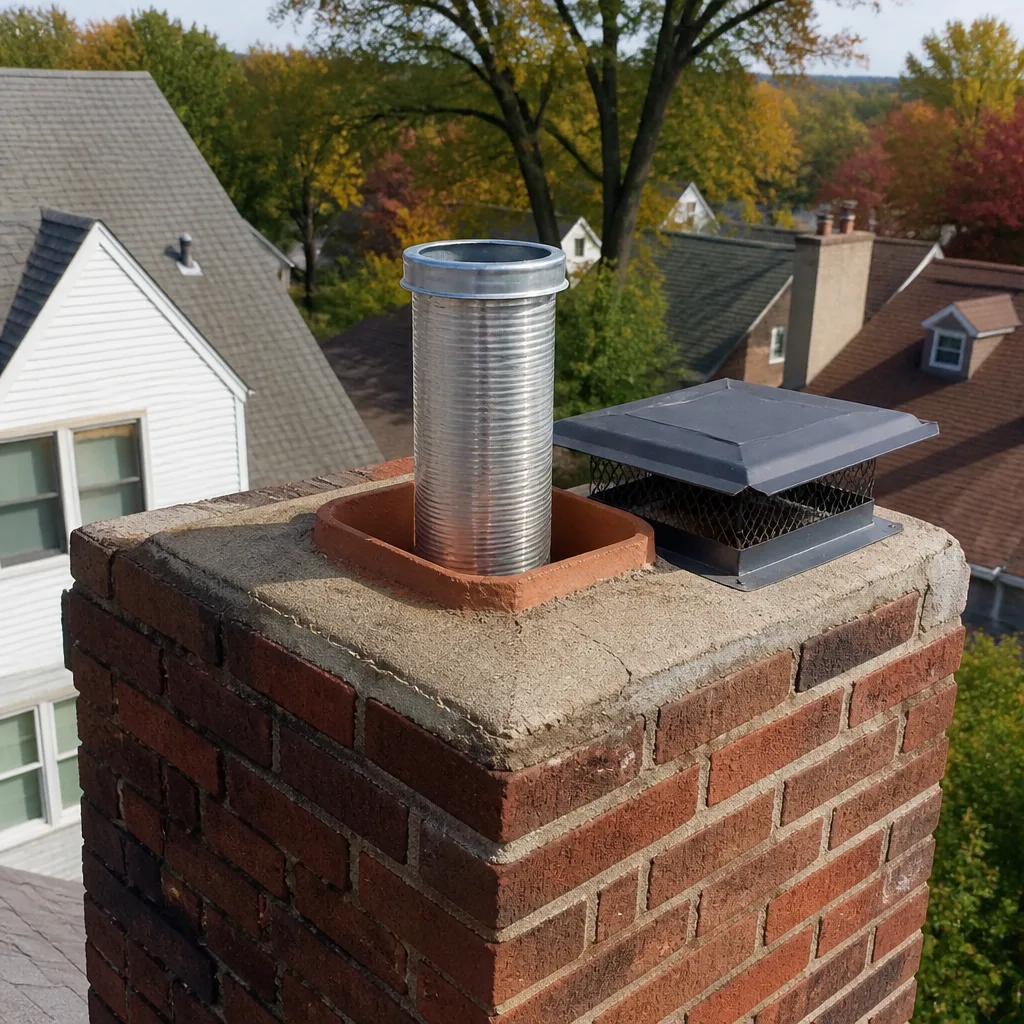 Flue relining
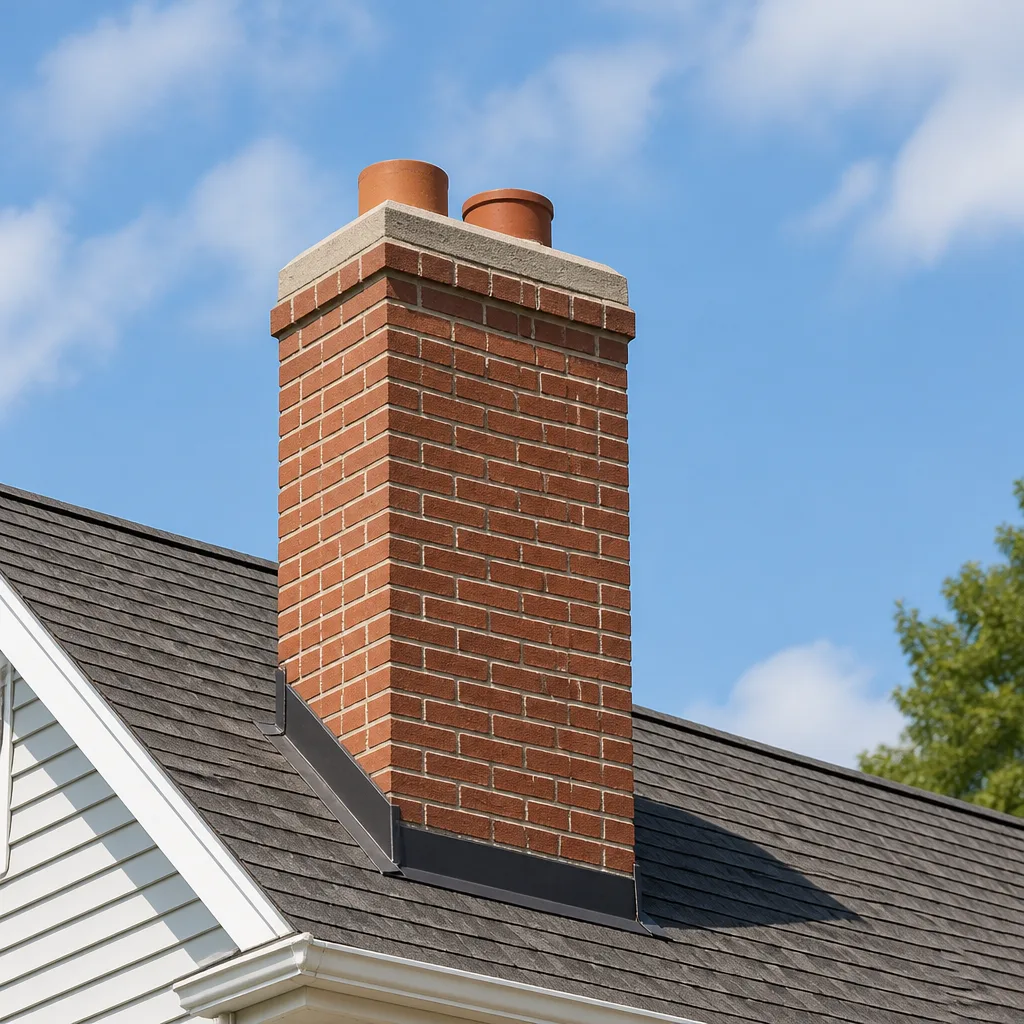 Masonry repair
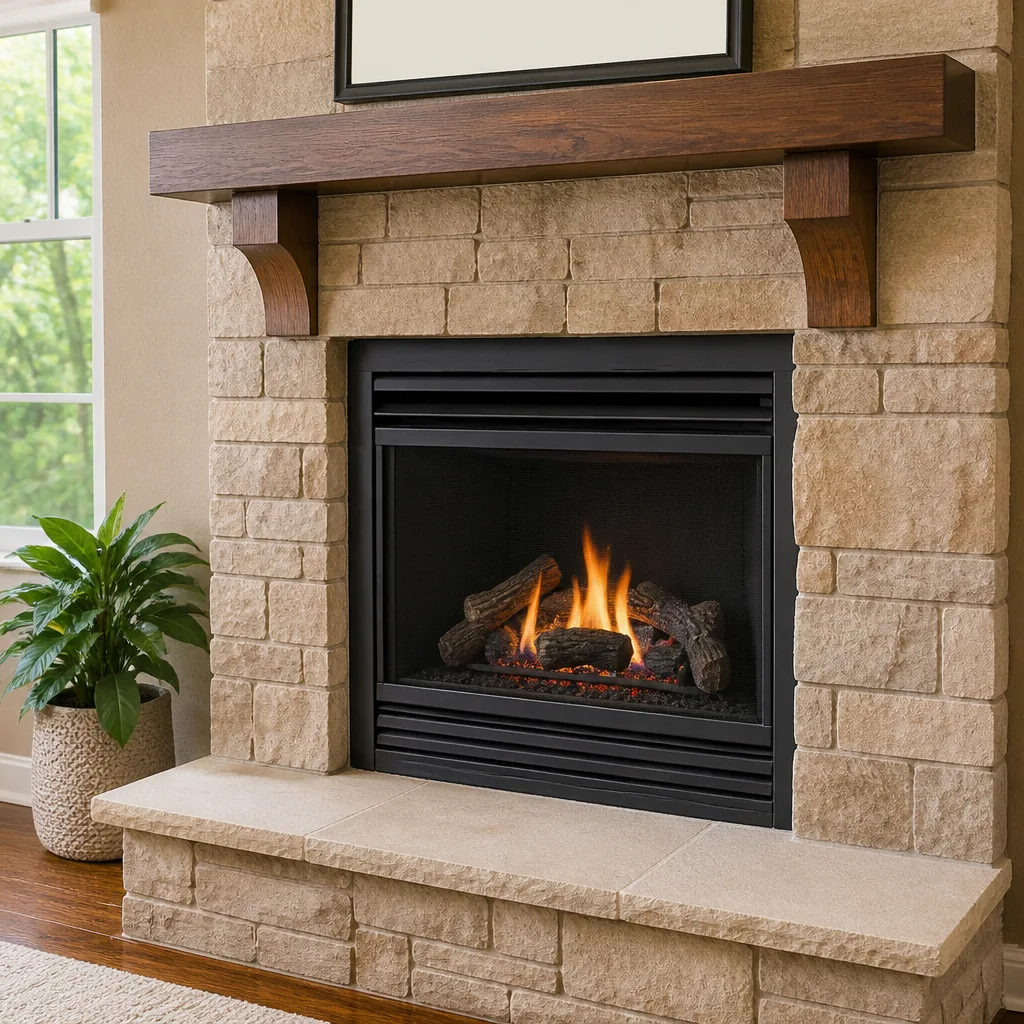 Gas fireplace service
Level 1 sweep and inspection to the NFPA 211 annual standard - flue, crown, cap, and flashing checked and photographed
Chimney sweep logs do not sweep chimneys. They loosen some creosote - which then falls where a brush and vacuum still have to collect it.
How to Hire a Chimney Cleaning Contractor in Jamaica Plain: A Step-by-Step Guide
There is no license specifically for chimney sweeps in Massachusetts. The state doesn’t issue one, which means the barrier to calling yourself a chimney cleaner is essentially zero. In a dense, older housing market like Jamaica Plain, where triple-deckers and century-old colonials sit side by side and thousands of fireplaces are in active use, that gap matters more than most homeowners realize. A card that says “licensed and insured” can mean a great many things, and none of them are the thing you actually need, which is someone who knows chimney systems and only does chimney work.
This guide walks you through hiring a chimney contractor the way a careful homeowner should: what certification really verifies, the questions that separate a chimney specialist from a generalist with a brush, how a written scope of work should read, and why the cheapest bid in Jamaica Plain usually signals a job that isn’t fully scoped. By the end you’ll know how to vet a contractor, read a proposal, and spot the gaps before anyone climbs onto your roof.
Quick Answer
To hire a chimney cleaning contractor in Jamaica Plain, verify that the company specializes in chimneys rather than offering sweep work as a side service, confirm CSIA certification where it applies, ask for a written scope of work before booking, and check that their insurance covers interior work inside a multi-unit building. A legitimate contractor will inspect first, show you what a camera finds, and put the recommended scope in writing. If any of those steps is skipped, keep looking.
Styles & brands we work with
- Sweep & inspection
- Caps & crowns
- Flue relining
- Masonry repair
- Gas fireplace service
Table of Contents
- Why There’s No Chimney License in Massachusetts
- What CSIA Certification Actually Verifies
- The Five Questions to Ask Before Booking
- What a Written Scope of Work Should Include
- Verifying Insurance for Interior Work in Multi-Unit Buildings
- Why the Lowest Bid Usually Means a Narrower Scope
- Red Flags in the Hiring Process
- A Step-by-Step Vetting Checklist
Why There’s No Chimney License in Massachusetts
Massachusetts does not require a specific license to perform chimney cleaning. This surprises people, especially in a city like Boston where most trades are tightly regulated. Plumbers, electricians, and gas fitters all carry state licenses with defined scopes, exams, and continuing education requirements. Chimney sweeping does not. That means a contractor can legally advertise chimney cleaning with no formal training, no certification, and no specialty background whatsoever.
The practical result is that the market includes everyone from dedicated chimney specialists to general handymen who bought a brush and added “chimney sweep” to their list of services. It’s not that the handymen are dishonest. It’s that chimney systems are their own trade with their own failure modes: draft, creosote behavior, flue geometry, liner integrity, crown and cap function. A generalist who cleans gutters and power-washes decks in the morning can sweep a chimney in the afternoon and still know very little about how that system actually performs over a heating season.
In Jamaica Plain specifically, this matters because the housing stock is old and varied. A triple-decker built in the 1920s may have a flue originally shared between units, a clay tile liner that’s spalled over decades, or a fireplace that was converted to a wood stove by a previous owner and never properly relined. In our experience, these are the conditions that a sweep-and-go visit misses entirely, because the generalist’s job ends when the brush comes out of the flue.
So the hiring question isn’t “who has a license?” It’s “who can actually assess what’s going on in this chimney?” The sections below show you how to answer that.
What CSIA Certification Actually Verifies
CSIA stands for the Chimney Safety Institute of America. It’s the closest thing the trade has to a recognized credential, and it’s worth understanding exactly what it covers and what it doesn’t. When a technician holds CSIA certification, it means they’ve passed a written exam on chimney and venting fundamentals, code requirements, and safety. It signals a baseline of knowledge about how chimney systems work, why creosote ignites, and what a proper inspection should examine.
What it does not do:
- It doesn’t certify the company. Certification is individual. A company may employ a certified technician or not, and one certified tech on the roster doesn’t guarantee who shows up at your door.
- It isn’t a license. There’s no state oversight, no revocation process, and no legal consequence for unlicensed sweeping because there is no license to hold.
- It doesn’t cover installation or repair work. A certified sweep can inspect and clean, but liner installation, crown rebuilding, and masonry repair are separate skill sets, even when the same company offers them.
Does certification still matter? Yes. It’s a filter, not a guarantee. A company that has invested in certification has at least acknowledged that chimney work has a body of knowledge behind it, which already puts them ahead of the generalist with a brush. In Jamaica Plain, where so many chimneys are at or past the end of their liner’s useful life, a technician who can actually read a flue is worth asking for by name.
Ask directly: “Is the technician who comes to my home CSIA certified, and can I see the certification?” A specialist answers without hesitation. A generalist changes the subject.
The Five Questions to Ask Before Booking
The fastest way to tell a specialist from a generalist is to ask questions that only a specialist can answer comfortably. Not trick questions. Just ones that require real chimney knowledge to engage with.
- “Do you do anything other than chimney work?” A dedicated chimney company answers “no.” A generalist has to explain why chimneys are one of their many services. Both answers are honest, but only one tells you the technician spends every day of the week thinking about flues.
- “What does your inspection include?” A proper inspection looks at the firebox, damper, smoke chamber, flue, crown, cap, and the exterior where accessible. If the answer is “we look up the flue,” that’s a cleaning, not an inspection.
- “Will I get a camera inspection and a report?” Video scanning is how a technician documents what’s actually inside the flue: cracks, gaps in the tile, offset joints, buildup. A company that brings a camera is showing you the evidence rather than describing it.
- “What brands do you install if a liner is needed?” A specialist works with professional-grade liner systems like DuraFlex, and with resurfacing products like HeatShield. A generalist improvises or refers the work out. Ask which products they use before you need one.
- “What’s the scope in writing?” A legitimate contractor puts the scope of work in a written estimate before the appointment. If nobody has described what will happen in writing, you’re booking a visit without knowing what you’re paying for.
Any one of these can be dodged by a smooth talker. The pattern across all five is harder to fake. If the answers are vague on three of the five, you’re talking to a generalist.
What a Written Scope of Work Should Include
A written scope of work is the single most useful document in the whole hiring process. It protects you, it tells you exactly what you’re paying for, and its absence is a warning sign loud enough to cancel a booking over. A proper scope is not a text message that says “sweep, $X.” It’s a document that specifies the job.
A written scope should state:
- The service being performed. Cleaning, inspection, or both. Which chimney or appliance is being serviced.
- The method. Whether a camera inspection is included, and whether a photo or video report is delivered afterward.
- The condition found. What’s noted about creosote level, liner condition, cap and crown condition, and any deficiencies the technician observes.
- What’s recommended and why. Any recommended repairs should be tied to what the inspection found, with the evidence attached. Nothing should appear on the estimate that can’t be shown on camera or in a photo.
- The price. A flat price for the work described, with the written estimate as the final word on cost.
- What can safely wait. A good scope includes a note on whether any recommendation is urgent or can be scheduled later.
In Jamaica Plain, we see the gap most often in older homes where the chimney has multiple issues at different severities: a cracked crown that’s letting water in, a liner that’s spalled in one section but sound elsewhere, a firebox that’s intact but a damper that’s rusted shut. A written scope lets you separate the must-do work from the can-wait work. Without one, everything blends into a verbal estimate and you have no way to verify any of it.
If a company can’t or won’t put the scope in writing, that alone is your answer. Take it as a no and move on.
Verifying Insurance for Interior Work in Multi-Unit Buildings
Chimney cleaning in a multi-unit building is a different insurance question than chimney cleaning in a single-family home. Cleaners work on roofs, at height, and inside occupied units. A triple-decker in Jamaica Plain might have three households, three fireplaces, and a single chimney stack with shared flue service. If something goes wrong, whether that’s a dropped tool inside a firebox, a leak caused during cleaning, or an accident on the roof, you want to know the contractor’s coverage actually applies.
Verification steps:
- Ask for a certificate of insurance before the appointment. Not after. A legitimate contractor sends one the same day. The certificate should show general liability coverage.
- Confirm the certificate names the policyholder correctly. The company you’re hiring should be the named insured. If the certificate is for a different entity, ask why.
- Ask specifically about interior work. Some policies cover roof access and exterior work but have exclusions or conditions around interior work in occupied units. Ask the contractor to confirm the coverage extends to work inside the building.
- Ask about workers’ compensation. If a technician is injured on your property, workers’ comp is what stands between you and a claim. Ask for proof.
- Keep the certificate on file. For a multi-unit building, the trustees or property manager usually want a copy before the work is done. Get it in advance.
The tradesperson who balks at sending a certificate is telling you something. Insurance verification is not an unusual request. It’s standard in any building with more than one household, and a contractor who works in Jamaica Plain regularly knows it.
Why the Lowest Bid Usually Means a Narrower Scope
Chimney pricing in an older urban market like Jamaica Plain is not a matter of one company charging more than another for the same job. It’s a matter of what’s included. The lowest bid almost always reflects a scope that’s narrower than the one you need.
A cheap sweep might mean:
- Cleaning only, with no inspection and no camera scan. You don’t learn what’s inside the flue.
- A generalist who is only equipped to brush, not to assess.
- No written report, so there’s no evidence of condition if you later need a repair or want to sell the home.
- A price that excludes the parts of the chimney that need attention: the crown, the cap, the firebox, the damper.
None of this means the more expensive bid is automatically correct. It means the price is only meaningful once you know what the scope covers. A company that quotes you a price before describing the work is quoting you a service they haven’t defined. A company that describes the work first and then prices it in writing is quoting you a job.
In Jamaica Plain specifically, where many homes have been through multiple heating seasons with the same liner, the difference between a quick sweep and a real inspection matters. A price that looks low because the inspection isn’t included isn’t a better price. It’s a smaller job.
Ask every company to explain what’s in their scope before they quote. The one who can is the one worth hiring.
Red Flags in the Hiring Process
Most bad hires are avoidable in the first phone call. These are the patterns that tell you to stop.
- No written estimate before the appointment. A company that won’t describe the work in writing before booking is leaving the scope undefined on purpose. You should know exactly what you’re paying for before anyone shows up.
- Quoting a repair over the phone, before seeing the chimney. A chimney can’t be diagnosed by phone. Anyone who says “sounds like you need a liner, that’s $X” before visiting is guessing at best and selling at worst.
- No camera inspection, no report. If the technician can’t show you what they found, the recommendation is unverifiable. This is the single most common failure in chimney cleaning bids, and in Jamaica Plain’s older stock it’s the one most likely to lead to unnecessary work.
- Pressure to decide on the spot. Chimney repairs are almost never a genuine today-or-never proposition. A recommendation that comes with a “must sign today” clause is a sales tactic, not an inspection finding.
- Generalist scope creep. If the company also cleans gutters, repairs drywall, and installs HVAC, chimneys are a side job. The technician’s knowledge is spread across too many trades.
- No insurance certificate available. “We’re insured” is not verification. Ask for the certificate.
- Recommendations that can’t wait, phrased as urgent, without evidence. A real technician can point to the crack, the spall, or the gap on a camera feed. If they can’t, the urgency is invented.
One of these is a reason to ask a harder question. Two or more is a reason to call someone else.
A Step-by-Step Vetting Checklist
Here’s the sequence that works, in order, before you book a chimney cleaning in Jamaica Plain.
- Search for a chimney specialist, not a general home services company. Look for a business whose entire service list is chimney work: sweep, inspection, cap and crown, fireplace repair, chimney repair. A company that covers the full lifecycle of the chimney is a company that thinks about the system, not just the brush.
- Ask whether the technician is CSIA certified. Then ask for the name of the technician who will actually do the work, and confirm the certification matches.
- Ask what the inspection includes before the cleaning. Look for firebox, damper, smoke chamber, flue, crown, and cap. If the answer excludes any of these, the job is narrower than you think.
- Ask whether a camera inspection and a photo report are part of the service. A specialist says yes. A generalist has to think about it.
- Request the certificate of insurance before booking. Confirm the named insured matches the company, and ask specifically whether interior work is covered.
- Get the written scope of work. The price, the method, what’s included, and what’s not. Review it before the appointment.
- Ask what brands the company installs if repairs are needed. A specialist can name the liner and resurfacing systems they work with, like DuraFlex for flexible liner installation and HeatShield for liner resurfacing where it applies. This is the difference between a company that can address the full chimney and one that has to refer the repair out.
- Confirm the appointment details in writing. Day, time, technician, scope, price. A company that works without written confirmation of these is a company that operates loosely.
This checklist isn’t a guarantee, but it filters out most of the risk. The companies who pass all eight steps are the ones that work on chimneys for a living.
Common Mistakes to Avoid
Most of the costly errors in hiring a chimney contractor happen before the appointment, not during it. These are the ones we see most often in Jamaica Plain.
- Hiring the cheapest sweep on the strength of a phone quote alone. A price quoted before the scope is described is a number, not a bid. It says nothing about what’s included, which is exactly why it’s low.
- Assuming a state license is required and therefore proof of qualification. There is no chimney license in Massachusetts. The absence of a license is not a red flag by itself, but the presence of a general contractor’s license is not evidence of chimney competence either.
- Skipping the written scope because the job “sounds simple.” In Jamaica Plain’s older homes, few chimney jobs are actually simple once the inspection starts. Without a written scope, there’s no baseline to compare the work against.
- Accepting a recommendation without seeing the evidence. If a technician recommends a liner replacement, ask to see the camera footage. A specialist will show you. A seller will talk around it.
- Booking a generalist because the price feels fair. A fair price on a job that doesn’t address the real condition isn’t a saving. It’s a delay.
- Failing to verify insurance in a multi-unit building. This is the single most overlooked step when a homeowner is hiring for a triple-decker. Interior work in an occupied unit involves coverage questions that don’t apply to a single-family home.
- Assuming a sweep is the same as an inspection. They aren’t. A sweep cleans. An inspection assesses. Many homeowners hire a sweep and assume the chimney was inspected, only to find out later that it wasn’t.
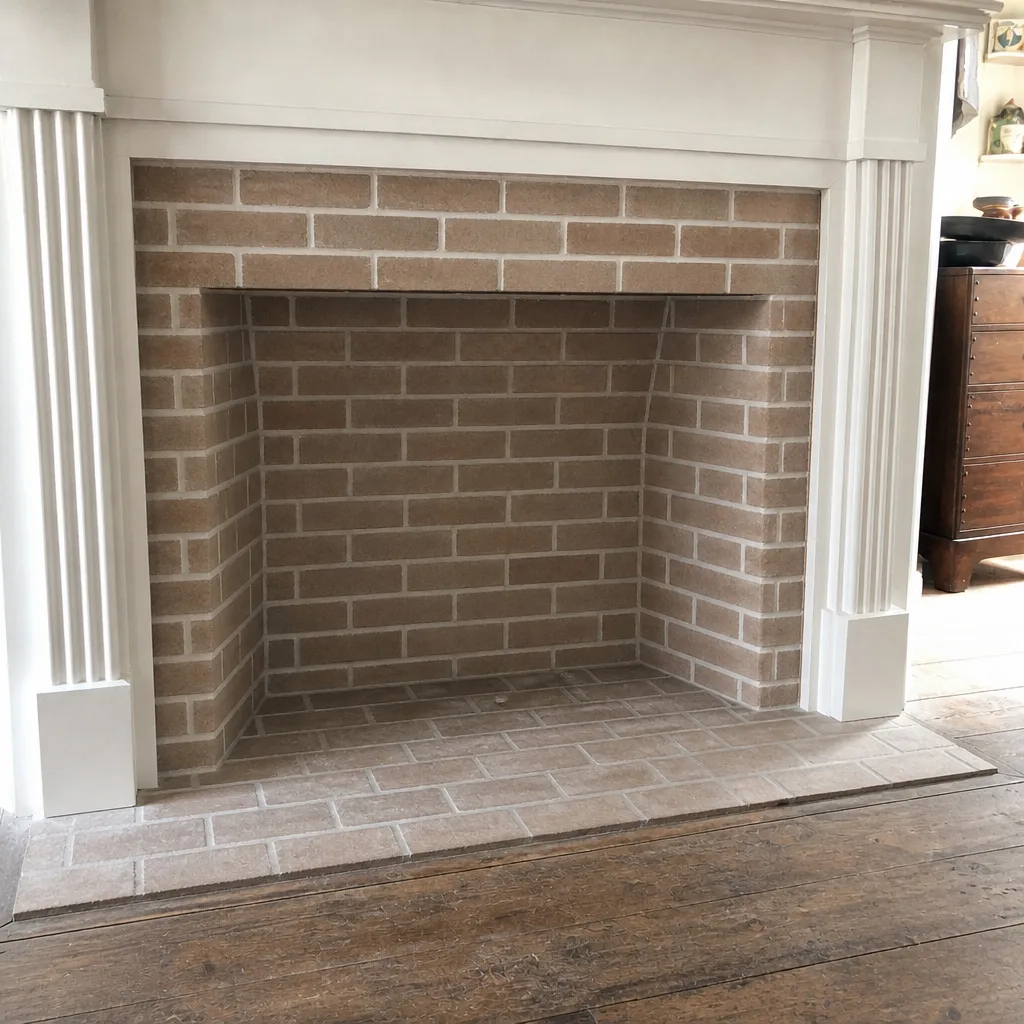
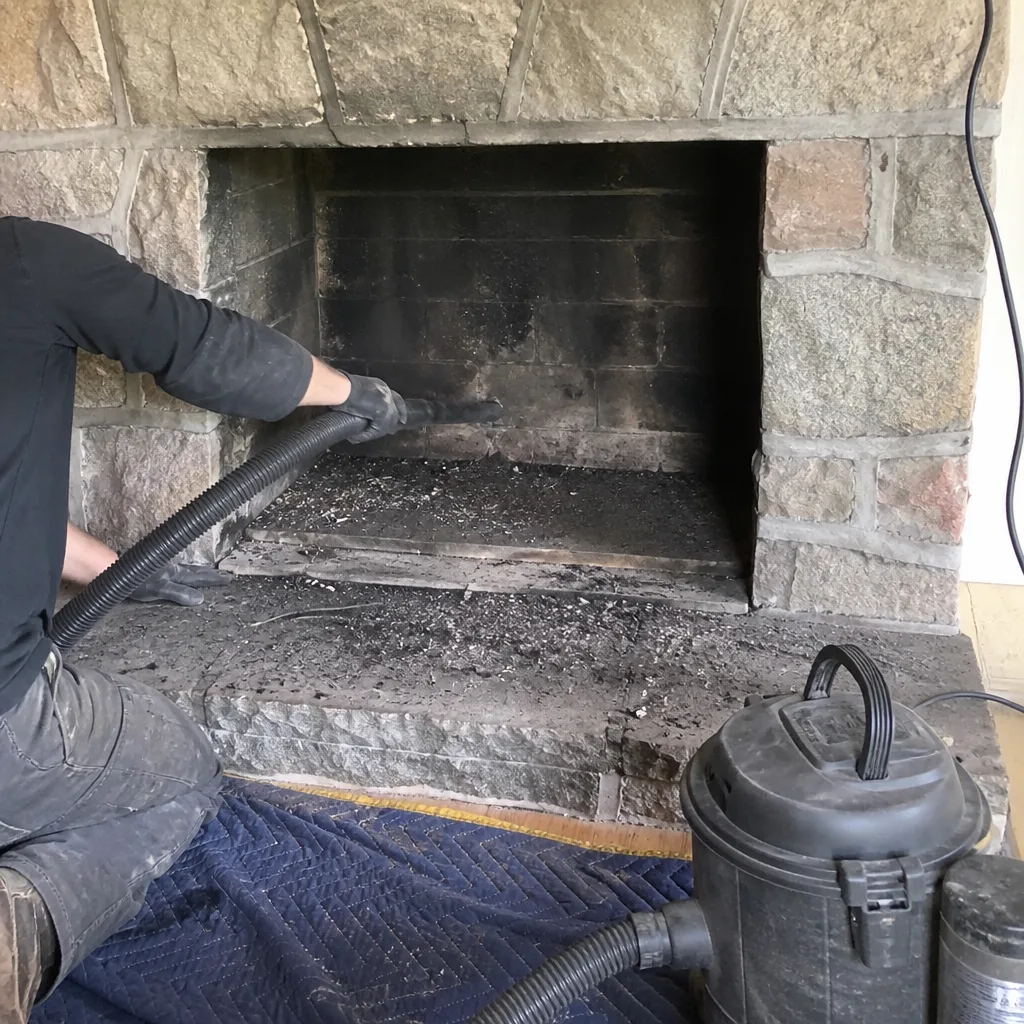
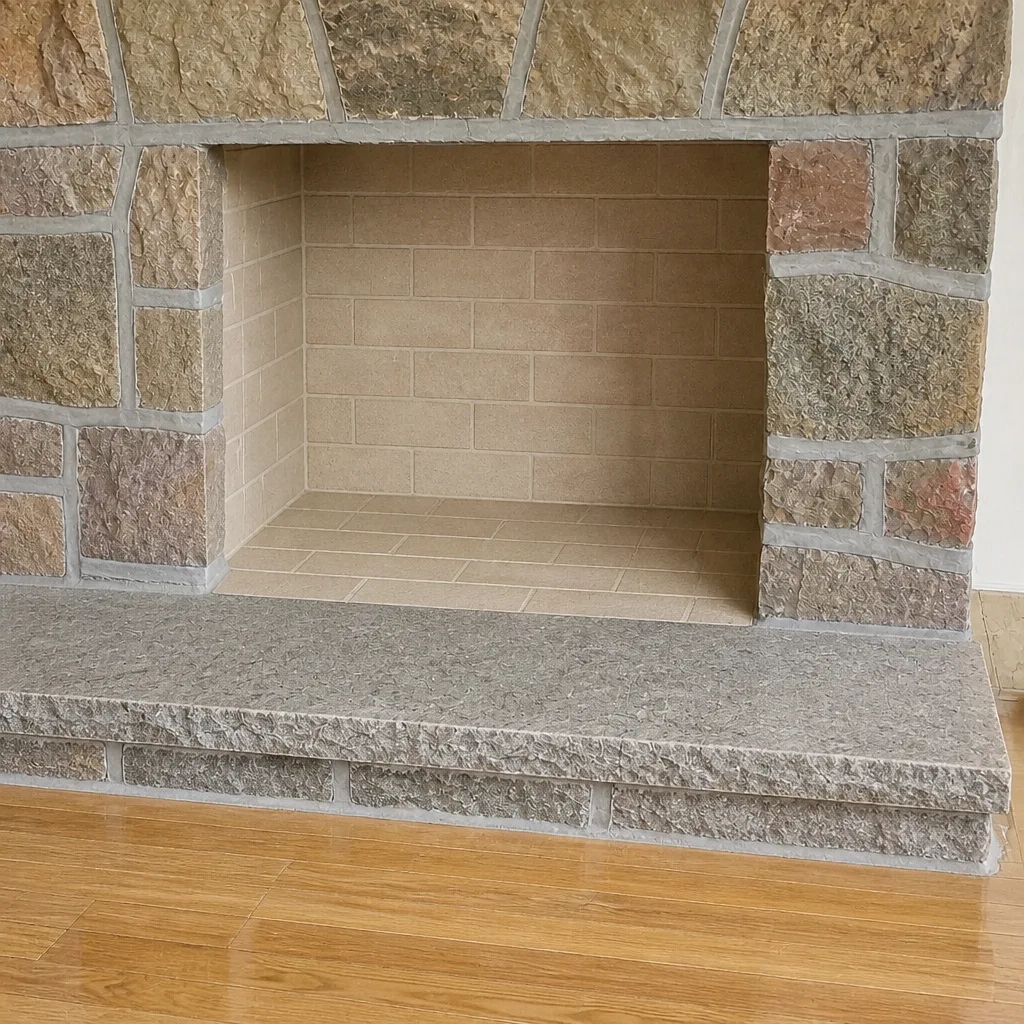
See the difference
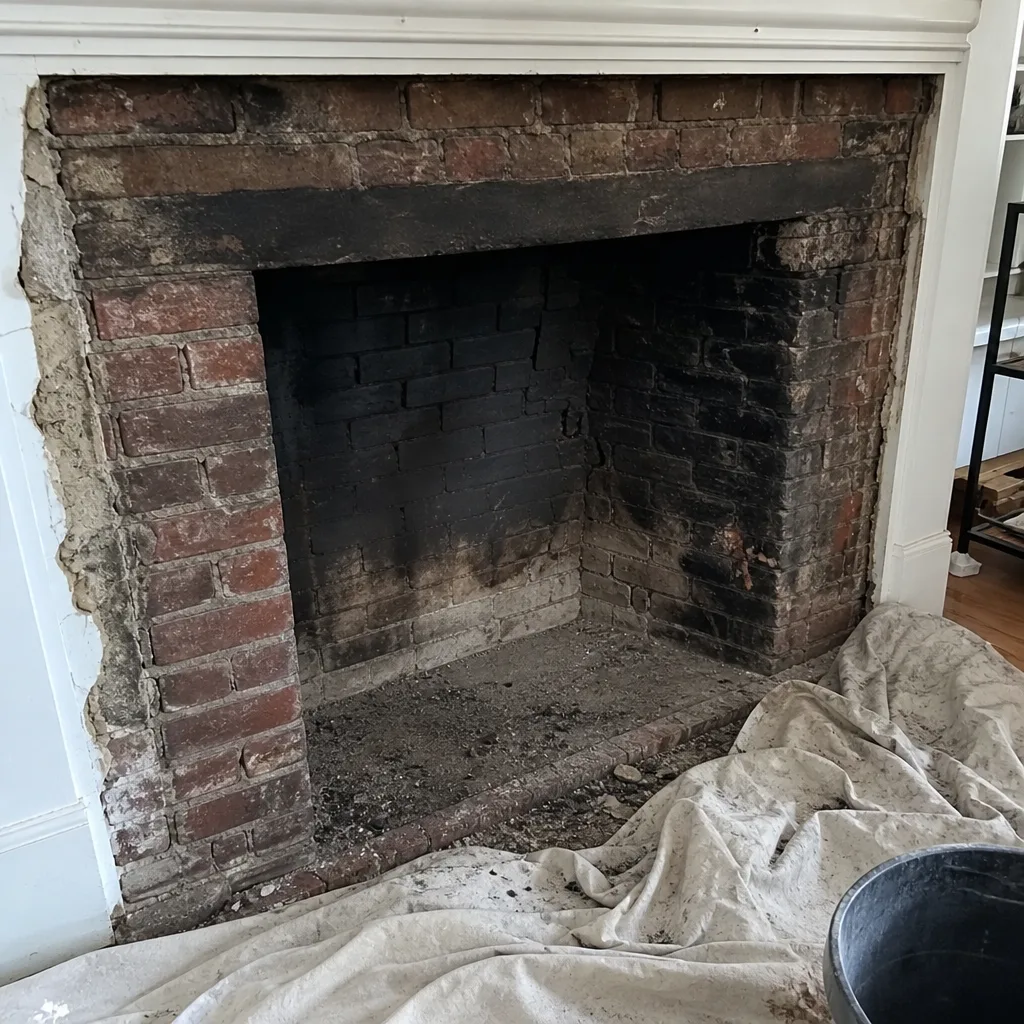 Before
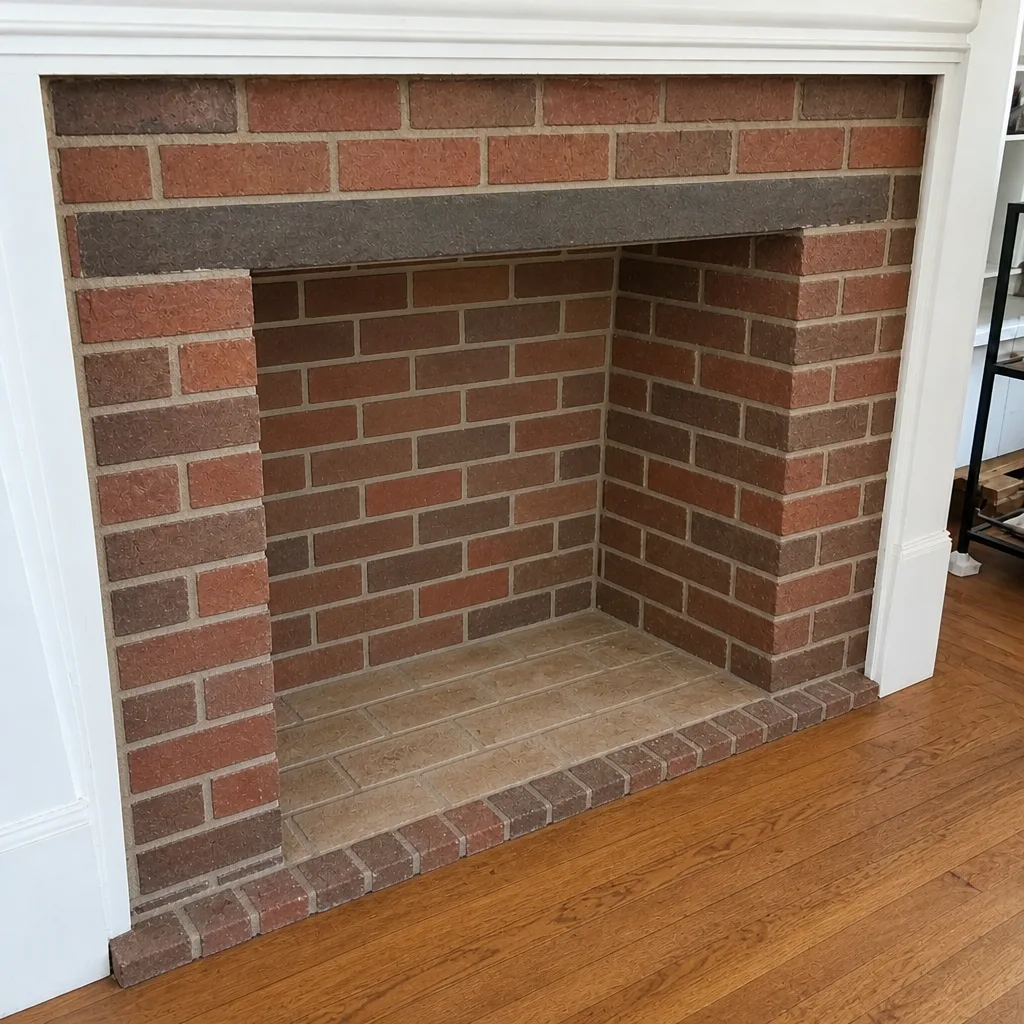 After
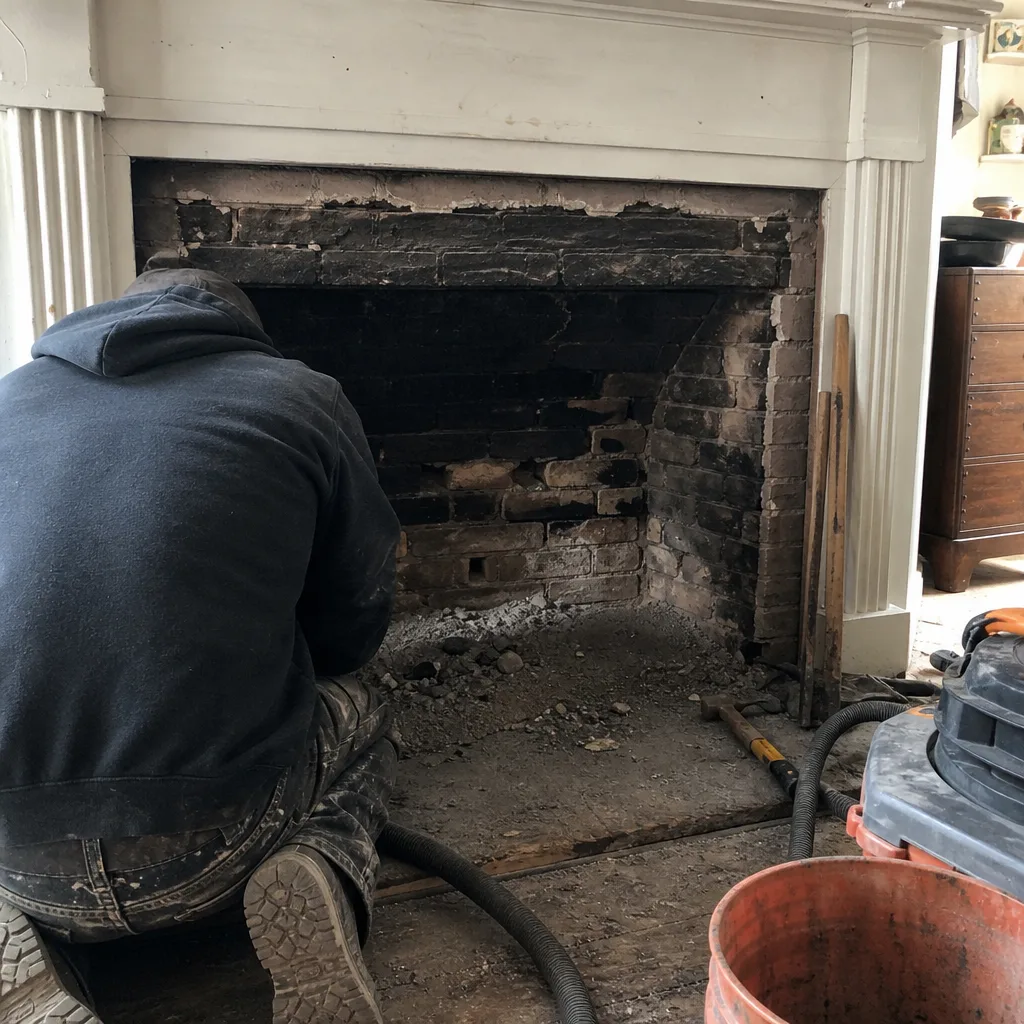 Before
 After
 Before
 After
When to Call a Professional
Some chimney work can be scheduled; some shouldn’t wait. Call a professional if any of the following applies:
You’ve burned more than a cord of wood in the last heating season and haven’t had the flue cleaned. You smell smoke in the room when the fireplace is lit, or the fire doesn’t draw well. You hear a change in how the fireplace sounds, or the flame pattern changes without reason. The damper sticks or won’t open fully. There’s visible staining on the ceiling or chimney exterior. You’re buying or selling a home in Jamaica Plain and the inspection report flags the chimney. Your insurer asks for a chimney inspection or cleaning. You’re putting the home on the market and want a documented report in the file.
If any of those scenarios describes your situation, the next step is a professional. Chimney Sweep Jamaica Plain offers free estimates in Jamaica Plain. Call (844) 443-3530. We answer 24/7. Fast dispatch from 7am to 7pm, Sunday through Friday.
Frequently Asked Questions
There is no chimney-specific license in Massachusetts, so no license applies. What you should verify instead is CSIA certification for the technician, company specialization in chimney work, a written scope of work, and proof of insurance. These are the practical credentials that matter in a market with no state oversight. Call (844) 443-3530 for an exact quote; estimates are free.
CSIA certification verifies that an individual technician has passed a written exam covering chimney and venting fundamentals, code requirements, and safety. It confirms baseline knowledge of how chimney systems work and what a proper inspection examines. It does not certify the company, replace a license, or cover installation and repair work. It’s a meaningful filter, but not a complete guarantee. Call (844) 443-3530 to discuss what certification means for your appointment.
A chimney sweep is priced per job by written estimate after the scope is described. Massachusetts doesn’t regulate chimney pricing, and the difference between bids usually reflects what’s included: cleaning only versus cleaning plus inspection, camera scan, and a written report. The lowest price commonly signals a narrower scope rather than a better deal. Call (844) 443-3530 for an exact quote; estimates are free.
A liner replacement is only legitimate when the inspection evidence supports it: cracked or spalled tiles, gaps between tile sections, or a flue that can’t contain creosote or vent the appliance safely. You should ask to see the camera footage before approving the work. In some cases, a resurfacing system like HeatShield can restore the liner without full replacement, which is one reason a specialist can offer alternatives a generalist can’t. Call (844) 443-3530 and ask to see the evidence before any recommendation is approved.
Yes, and more than for a single-family home. Interior work in an occupied multi-unit building raises coverage questions that don’t apply when only your household is in the building. Ask for a certificate of insurance before the appointment, confirm the named insured matches the company, and ask specifically whether interior work inside occupied units is covered. Call (844) 443-3530 if you’d like to talk through what documentation to request.
Creosote, the residue left by burning wood, accumulates in the flue as a normal part of combustion. Over a heating season the layer can build into a form that’s hard to remove and increases the risk of a chimney fire, because creosote is combustible. Skipping one season is not automatically dangerous, but it’s a risk that compresses the timeline for the next inspection. In Jamaica Plain’s older flues, which may already have compromised tiles, the margin for skipping is smaller. Call (844) 443-3530 to ask about your specific chimney; estimates are free.
The Bottom Line
Hiring a chimney contractor in Jamaica Plain comes down to four verifiable facts: is the company a chimney specialist, is the technician certified, is the scope in writing, and is the work insured. Everything else is sales. No license exists in Massachusetts to protect you, so the vetting is yours to do. A written scope of work, a camera inspection with a report, and a certificate of insurance are not unusual requests; they’re the standard for a company that works on chimneys for a living.
If a company passes those four checks and can name the professional-grade systems they install, you’re talking to a specialist. If not, keep calling.
Chimney Sweep Jamaica Plain handles the full chimney lifecycle in one call: chimney sweep, chimney cap & crown installation and repair, fireplace repair, chimney repair, and inspection as a standalone service. We work with professional-grade brands including DuraFlex, HeatShield, and Copperfield. Our technicians have up to 14 years of experience. Call (844) 443-3530 for a free estimate. We answer 24/7. Fast dispatch from 7am to 7pm, Sunday through Friday.
Chimney Sweep Jamaica Plain is the specialist you can call when the chimney needs more than a brush, and the chimney sweep you call first when the flue hasn’t been looked at this season.
Written by the team at Chimney Sweep Jamaica Plain.