
Last updated November 25, 2026
 Sweep & inspection
 Caps & crowns
 Flue relining
 Masonry repair
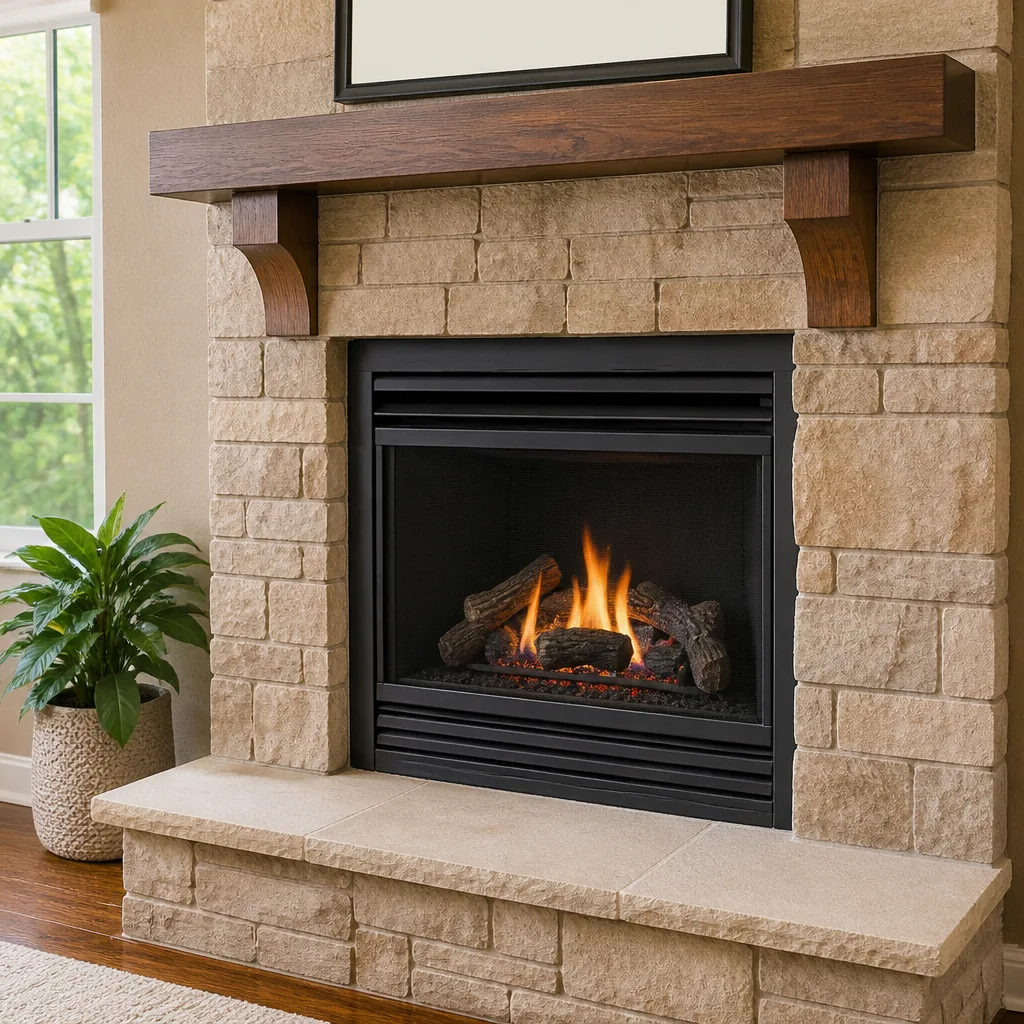 Gas fireplace service
Level 1 sweep and inspection to the NFPA 211 annual standard - flue, crown, cap, and flashing checked and photographed
Chimney sweep logs do not sweep chimneys. They loosen some creosote - which then falls where a brush and vacuum still have to collect it.
Seasonal Chimney Cleaning Care for Jamaica Plain: Year-Round Homeowner’s Guide
Most chimney advice still says to book a sweep in October and forget about it until next year. That schedule was written for a climate with a gentle fall and a dry winter. Jamaica Plain doesn’t get either. Freeze-thaw cycles in March and April work moisture deep into masonry, and by the time you light your first fire the damage has had six months to settle in. Waiting until mid-October means you’re paying to fix problems that a spring visit would have caught while they were still cheap. This guide lays out a month-by-month chimney calendar for Jamaica Plain homeowners, from April mortar checks to December draft troubleshooting, so each part of the year does its own job.
Quick Answer
The best time to schedule a chimney sweep in Jamaica Plain is late August or early September, before the first fire and after the summer pest and moisture season. A second look in early spring catches freeze-thaw damage to masonry and the crown while repairs are still small. Between those two visits, your year-round care is mostly observation: watching for water stains, animal activity, and draft changes, and writing it all down in a chimney log.
Styles & brands we work with
- Sweep & inspection
- Caps & crowns
- Flue relining
- Masonry repair
- Gas fireplace service
Table of Contents
- Spring in Jamaica Plain: What Freeze-Thaw Damage Looks Like From the Firebox
- Summer: When Masonry Chimneys Become Wildlife Habitat
- Late August vs. Mid-October: Why the Timing of Your Sweep Matters
- Winter: Draft, Downdraft, and the Urban Canyon Effect
- Building a 12-Month Chimney Log That Works
- How Chimney Cap Selection Changes Your Whole Season
- Common Mistakes to Avoid
- When to Call a Professional
Spring in Jamaica Plain: What Freeze-Thaw Damage Looks Like From the Firebox
Jamaica Plain’s spring is a slow thaw with repeated freezes mixed in. Water gets into brick, mortar, and the crown during mild days, then freezes and expands overnight. Each cycle pushes the masonry a little further apart. By April, the damage is visible if you know where to look, and it’s still fixable with a tube of mortar rather than a rebuild.
Here’s what to check from inside the firebox after the heating season ends:
- White, chalky deposits on the brick. That’s efflorescence, mineral salts pushed to the surface by moisture moving through the masonry. It’s a sign water is getting in somewhere above.
- Crumbling mortar joints between firebricks. Run a finger along the joints. If sand comes off, the mortar has lost its binder to freeze-thaw cycling.
- Rust stains or water marks on the smoke chamber walls. These usually point to a crown or flashing problem outside, not a flue liner issue.
- Cracks in the firebox brick itself. Hairline cracks in firebrick are normal wear; wider cracks that let you see the brick behind mean the firebox needs repointing.
- Loose or missing mortar at the damper frame. This is a common failure point in older Jamaica Plain houses, where the damper was set into the masonry decades ago.
Why catch it in April? Because masonry repairs scale with how much water has entered the system. Repointing a few joints in spring is a modest job. Rebuilding a chimney crown that’s been taking water all summer is a different category of work. If you want the full picture, an annual chimney sweep visit in early spring also lets the technician inspect the flue while it’s clean, not after a season of use.
Keep in mind that Jamaica Plain’s older housing stock, especially the triple-deckers and Victorian-era homes around Forest Hills and Hyde Square, often has original brick chimneys with soft mortar. Those chimneys take on water faster than newer construction and benefit most from an April inspection.
Summer: When Masonry Chimneys Become Wildlife Habitat
An uncapped chimney is a hollow column of warm, dry space with a ledge at the bottom. For a raccoon, a squirrel, or a chimney swift, that’s prime real estate. In Jamaica Plain, this is a serious summer issue: the neighborhood’s tree canopy and older housing give wildlife plenty of routes onto roofs, and an open flue is an open invitation.
Here’s what typically moves in, and what the law says about each:
- Chimney swifts. These small birds are protected under the Migratory Bird Treaty Act. You cannot remove an active nest, and you cannot cap the chimney while swifts are nesting in it. The nesting season runs roughly May through August. Once the birds leave, capping is legal and strongly recommended.
- Raccoons. A raccoon in a chimney is often a female with kits. In Massachusetts, raccoons are furbearers with a regulated season and cannot simply be trapped and relocated without regard to state wildlife rules. This is a job for a licensed wildlife professional, not a homeowner with a broom.
- Squirrels. Squirrels nest in chimneys in late spring and again in late summer. They’re less regulated than raccoons, but they still need to be removed safely before any chimney work begins.
- Birds and starlings. These often nest in the smoke shelf or on top of the damper. Their nests are highly flammable and must be cleared before the first fire.
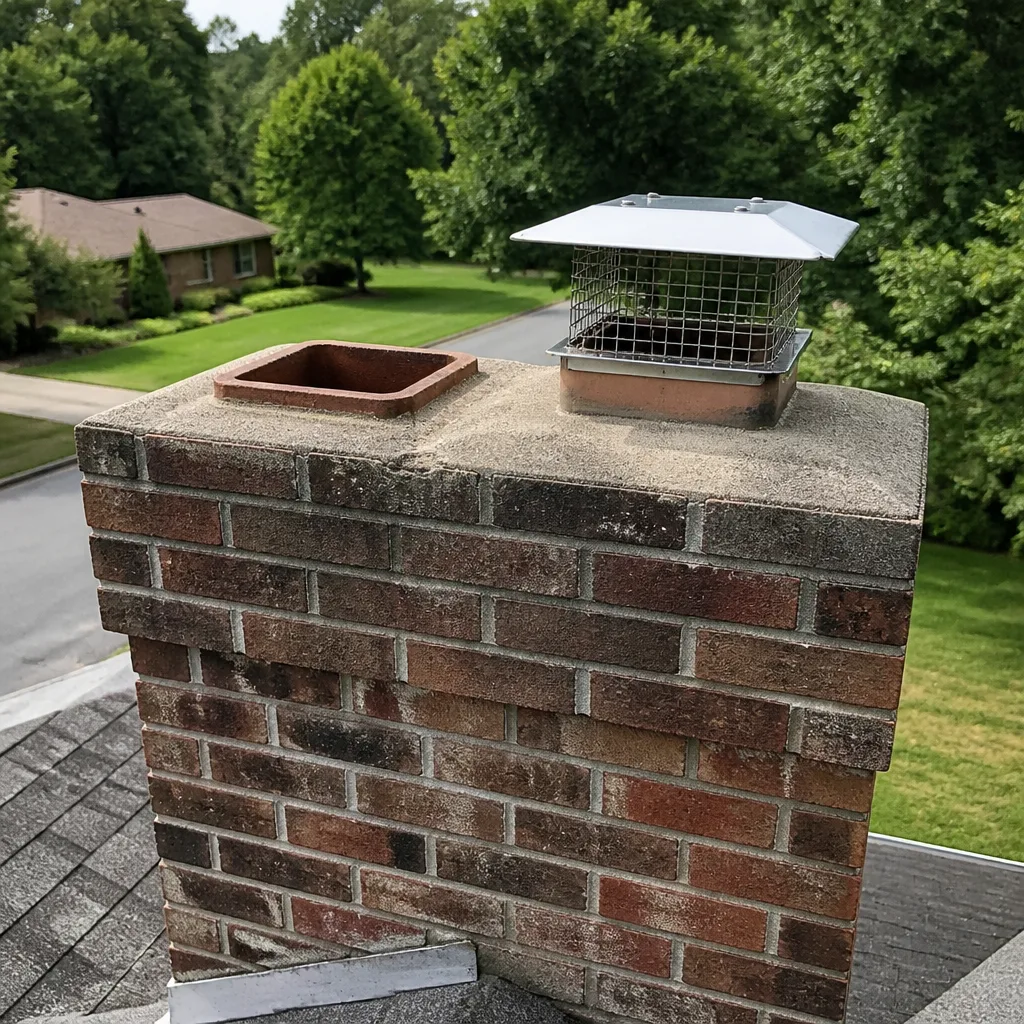
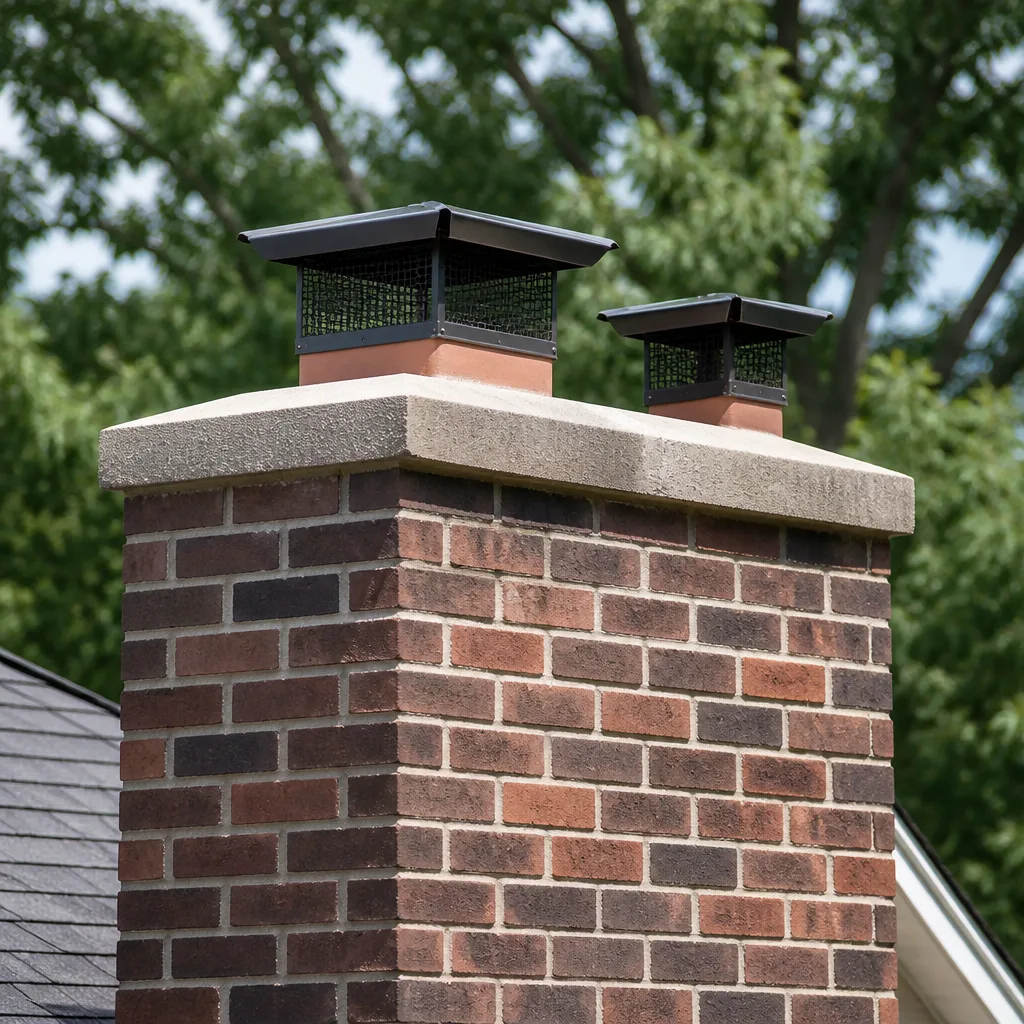
The low-cost prevention is a chimney cap & crown that fits properly. A cap with a mesh screen sized to keep out wildlife, installed on a sound crown, prevents almost all of this. If a cap is already in place but the mesh is torn or rusted through, replacing the cap in June costs far less than wildlife removal plus a sweep in September.
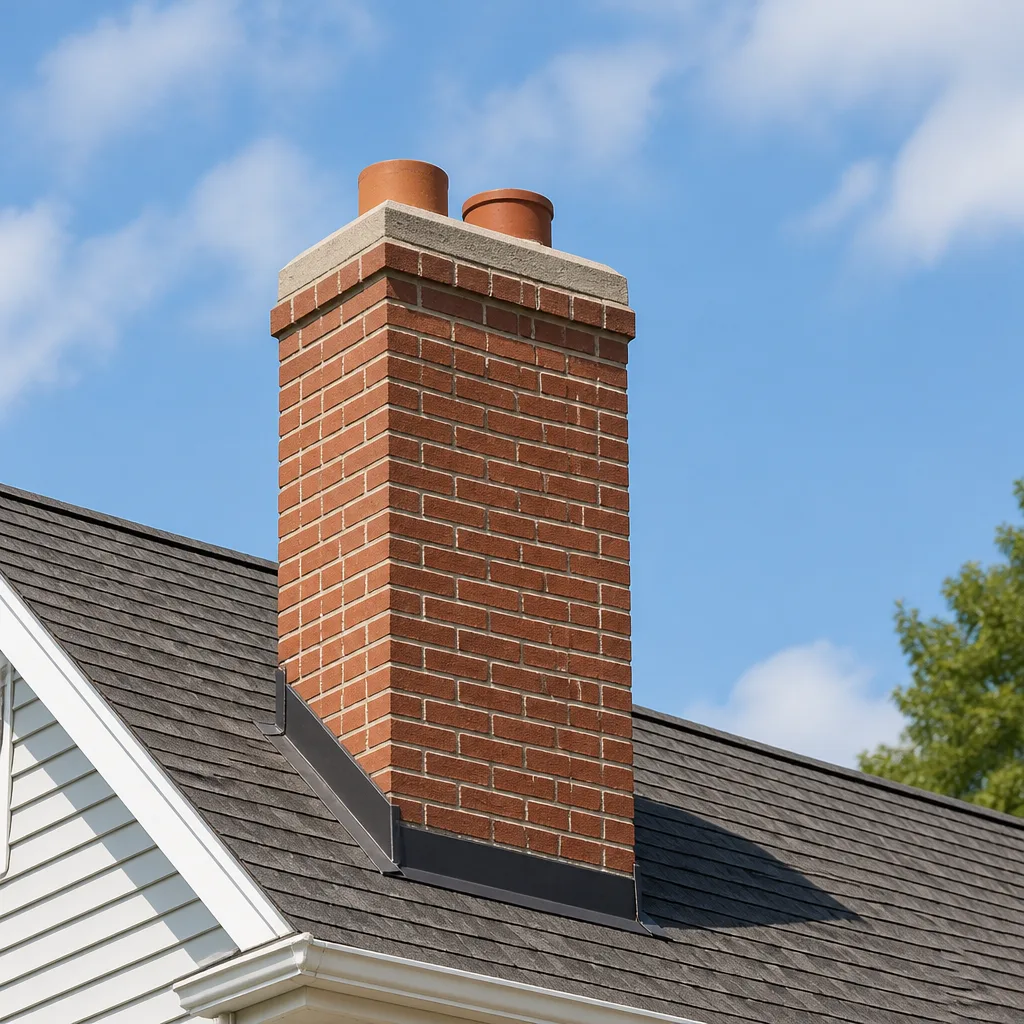
Summer is also the right time to look at the crown, the concrete top surface around the flue. It should slope away from the flue so water runs off. A flat or cracked crown is the number one entry point for the moisture that causes the spring damage we described.
Late August vs. Mid-October: Why the Timing of Your Sweep Matters
The conventional wisdom is to sweep in mid-October, right before you start burning. In Jamaica Plain, that’s about six weeks too late. Here’s why.
Creosote, the tar-like residue from wood smoke, hardens with time and cool weather. A flue that’s swept in late August has a full month of warm, dry weather afterward for any residual moisture to evaporate and for the technician to identify and schedule any repairs before the heating season starts. A flue swept in mid-October is often swept wet, and repairs get deferred because the first cold snap is already here.
Here’s a step-by-step of how the late-August sweep actually goes:
- Book the sweep during the last two weeks of August. This is before the September rush and gives you more scheduling flexibility.
- Have the technician inspect the flue before cleaning. A camera inspection first means any pre-existing damage gets documented, and cleaning doesn’t hide it.
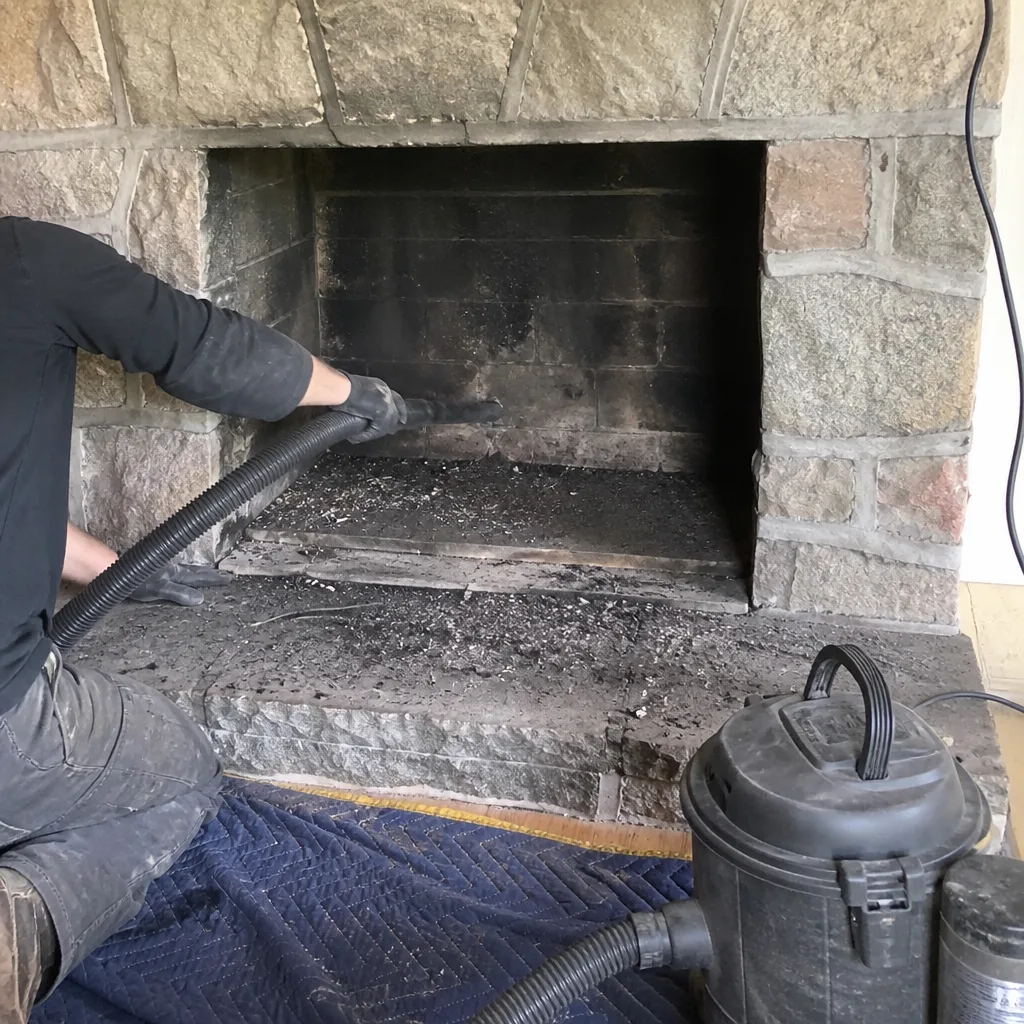
- Sweep the flue and smoke chamber. A proper sweep covers the firebox, damper, smoke shelf, smoke chamber, and flue. Anything less leaves flammable deposits behind.
- Get the inspection report with photos. Photos matter because they let you see the condition of the flue for yourself, not just take a technician’s word for it.
- Address any needed repairs in September. This gives you time to schedule work without the October crunch.
- Do a small test fire in early October. A short burn confirms the draft is working properly before you rely on the fireplace through the winter.
The difference in outcome is real. Chimney Sweep Jamaica Plain sees a lot of chimneys in September where a late-October sweep would have meant skipping a needed repair until spring. The early sweep is the same visit; it’s just timed to give you options.
Winter: Draft, Downdraft, and the Urban Canyon Effect
A chimney works on the principle that warm air rises. But in Jamaica Plain, winter wind patterns complicate that. The neighborhood’s dense blocks, especially along Centre Street and around Stony Brook, create wind channels between buildings that hit chimneys from unexpected directions. A chimney that drafts perfectly on a calm day can smoke back into the room when wind comes over a nearby roofline.
Three things cause most winter draft problems:
- Negative pressure from other appliances. Bathroom fans, kitchen exhaust, and the clothes dryer all pull air out of the house. In a tight, well-insulated Jamaica Plain home, this can overcome the chimney’s draft and cause backdrafts. Crack a window near the fireplace during startup and see if the problem resolves; if it does, the house is too tight for its combustion air supply.
- An undersized or oversized flue. A flue that’s too large for the fireplace cools flue gases below the temperature needed for a good draft. A flue that’s too small chokes the fire. A properly sized liner is the long-term fix.
- Nearby structures and tall trees. The urban canyon effect in Jamaica Plain means your chimney might catch wind that started three houses over. A taller chimney cap or a different cap style can resolve this.
During the burning season, your job is observation. Note when the fireplace backdrafts, what the wind is doing at the time, and whether the smoke clears after a minute or persists. That log, which we’ll cover in detail next, is what a technician needs to diagnose the problem. A fireplace that used to draw well and now doesn’t is often a sign of a partially blocked flue or a damaged flue liner, and that’s worth inspecting before the problem worsens.
Building a 12-Month Chimney Log That Works
A chimney log is not a complicated thing. It’s a simple record of what you observe and what gets done, kept in one place, so each sweep visit builds on the last. Done right, it turns a yearly sweep from a guess into a targeted inspection.
Here’s what to track:
- Date of each sweep and inspection, with the technician’s name and company. This is the base record.
- Condition notes from each inspection. What did the technician say about the flue, crown, cap, damper, and firebox?
- Photos of the firebox and crown, taken in spring. A cell phone photo every April tells you more about long-term changes than any single report.
- Weather observations connected to draft issues. “Backdrafted on a windy day with the kitchen fan running” is diagnostic information.
- Firewood used and its moisture content. If you’re buying wood, note whether it’s seasoned. Green wood creates more creosote.
- Burning frequency and volume. “A cord and a half between October and March” tells a technician how much wear to expect.
- Any repairs, and when they were done. If the crown was resealed in 2023, that matters when you’re looking at a crack in 2026.
The log pays off in two ways. First, it makes each sweep more efficient because the technician knows what’s been checked and what hasn’t. Second, it’s what a real estate inspector or an insurance adjuster wants to see when you sell a Jamaica Plain home or file a claim. A documented chimney is a chimney with a history, and that history is worth keeping.
How Chimney Cap Selection Changes Your Whole Season
If there’s one piece of hardware that earns its keep across all four seasons, it’s the cap. A well-chosen cap keeps out rain, wildlife, and downdrafts. A poorly chosen one causes downdrafts, blocks draft, and fails within a few years.
Here’s what to match to the situation:
- Single-flue chimneys on exposed roofs do well with a standard single-flue cap with a mesh screen. The mesh keeps out animals and embers.
- Chimneys with downdraft problems benefit from a cap with a wind-resistant design. The specific style depends on the wind pattern; the technician can recommend based on the log.
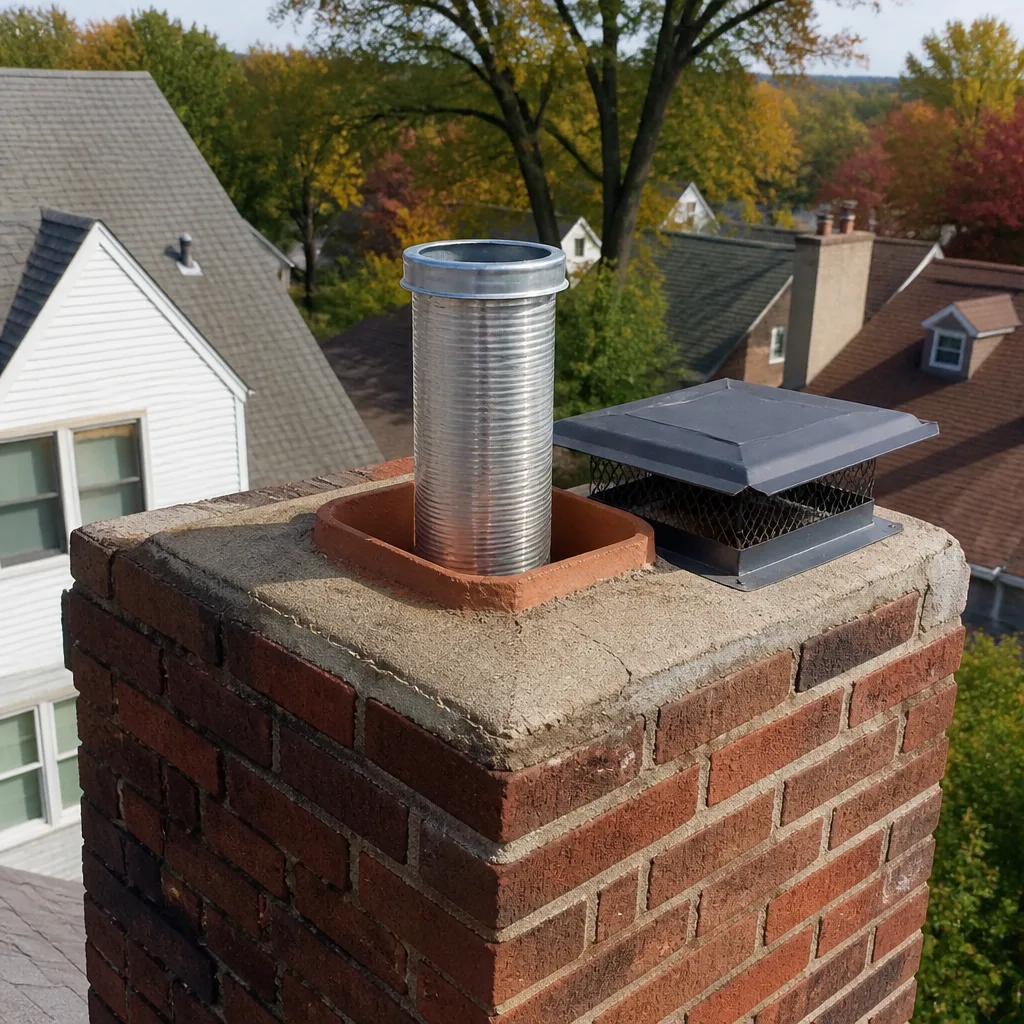
- Multi-flue chimneys need a custom or multi-flue cap, not multiple small caps. Custom fabrication is standard for professional chimney brands like Olympia Chimney and Copperfield, both of which we work with.
The crown underneath the cap matters just as much. A crown is a concrete or mortar surface that sheds water away from the flue. When the crown cracks, water gets into the masonry below and causes the freeze-thaw damage we described in the spring section. HeatShield resurfacing is one system we use to restore crowns and smoke chambers without a full rebuild, and it’s a good option when the underlying masonry is sound but the surface has failed.
For caps and crowns, sizing and material grade matter more than brand. Gelco and Famco both make caps that hold up well in New England weather. The important thing is that the cap fits the flue properly and the crown slopes correctly. A cap that’s a hair too small will vibrate loose; a crown that’s flat will pool water. Getting both right once prevents a lot of seasonal troubleshooting later.
Common Mistakes to Avoid
- Sweeping in mid-October. This is the standard schedule, and in Jamaica Plain it’s a mistake. Late August gives you time for repairs before the first fire, and October doesn’t.
- Waiting for spring damage to show inside the firebox. By the time you see efflorescence or crumbling mortar from inside the firebox, water has been entering the masonry for months. Checking the crown and cap from the roof (or with binoculars from the yard) catches the problem earlier.
- Leaving a chimney uncapped through summer. An open flue is an invitation to chimney swifts, raccoons, and squirrels. Once wildlife is in, capping is often delayed until the animal is safely removed, which can mean weeks of waiting with a neighbor’s complaint on your hands.
- Using off-the-shelf caps and liners. A hardware-store cap installed on a chimney with a specific draft problem tends to make it worse. Professional-grade components from brands like DuraFlex and HeatShield exist because the fit and material grade matter.
- Burning unseasoned wood in the name of saving money. Green wood produces more creosote, which means more frequent sweeps and a higher chimney fire risk. Seasoned wood costs more up front and less in the long run.
- Skipping the spring inspection because “nothing’s wrong.” The spring inspection catches problems while they’re still cheap, which is exactly when it pays to be there.
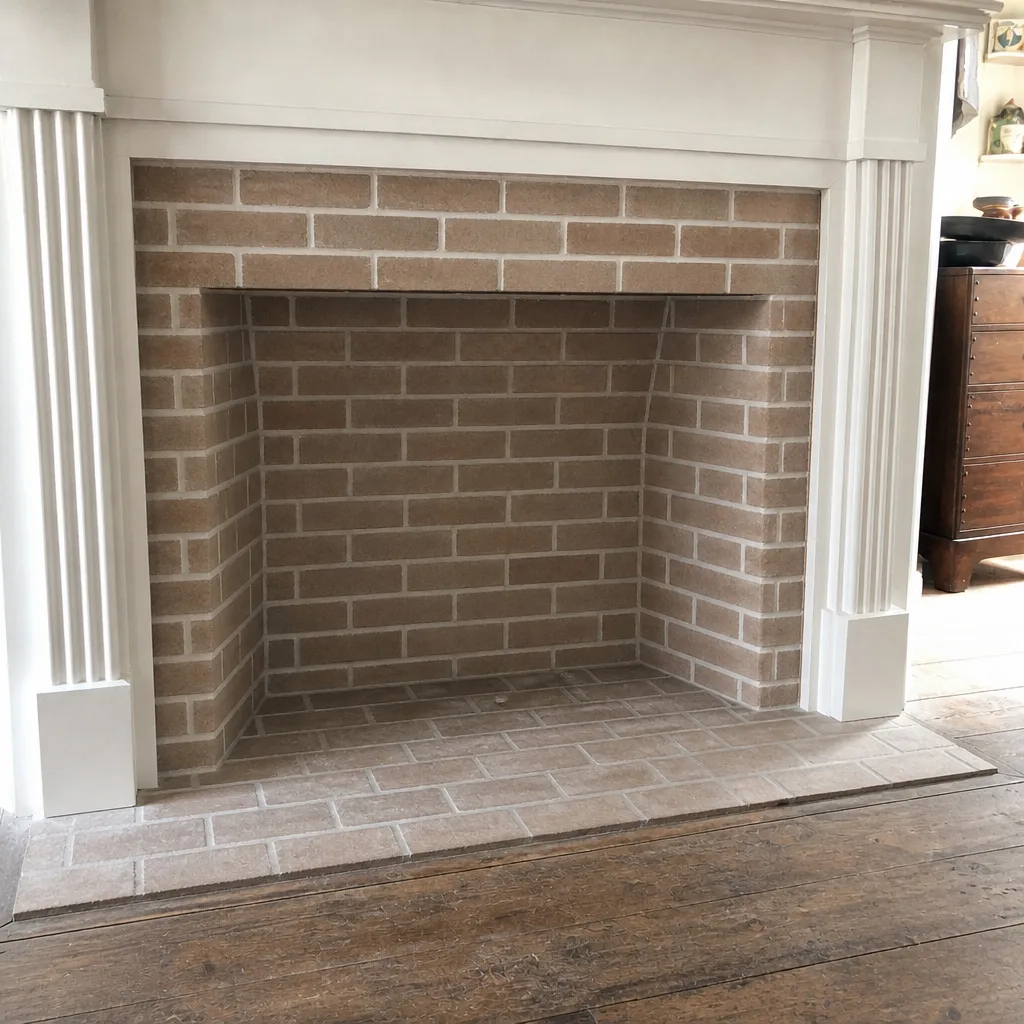
See the difference
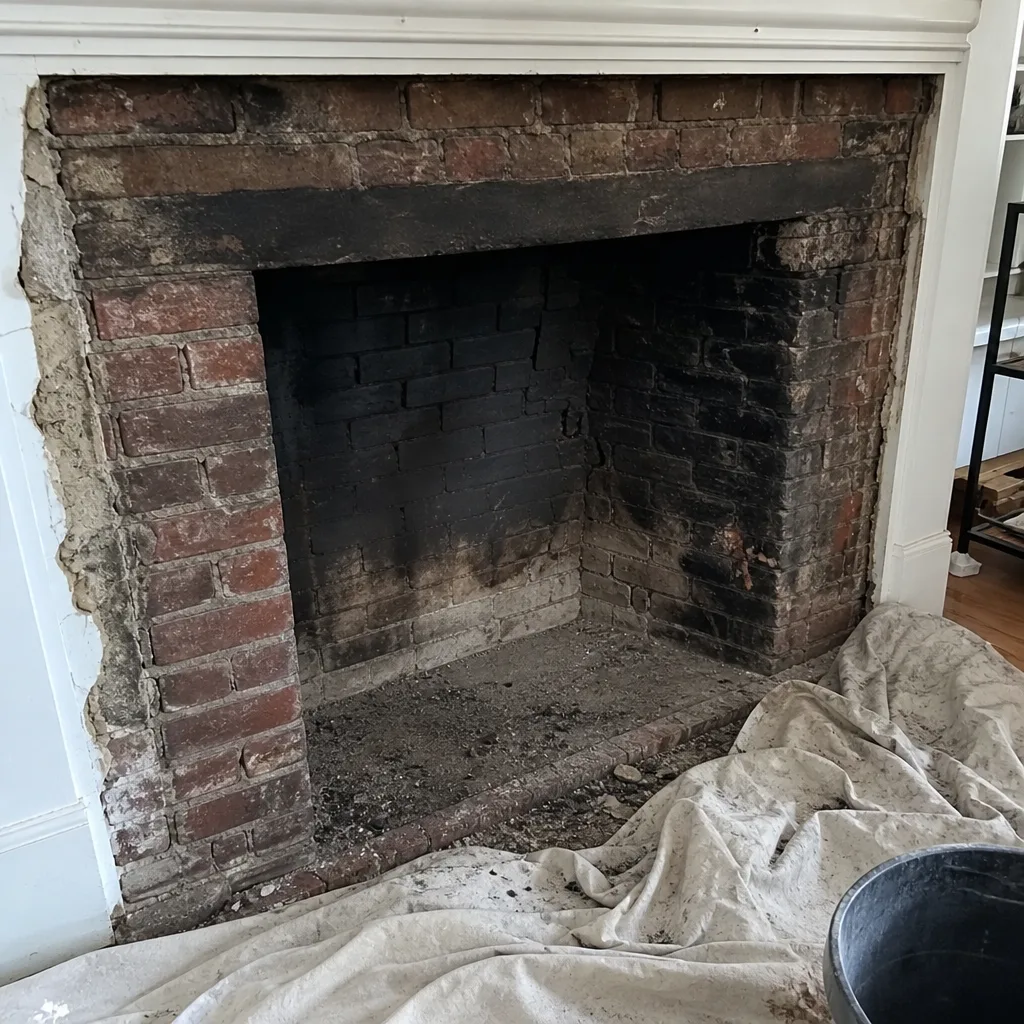 Before
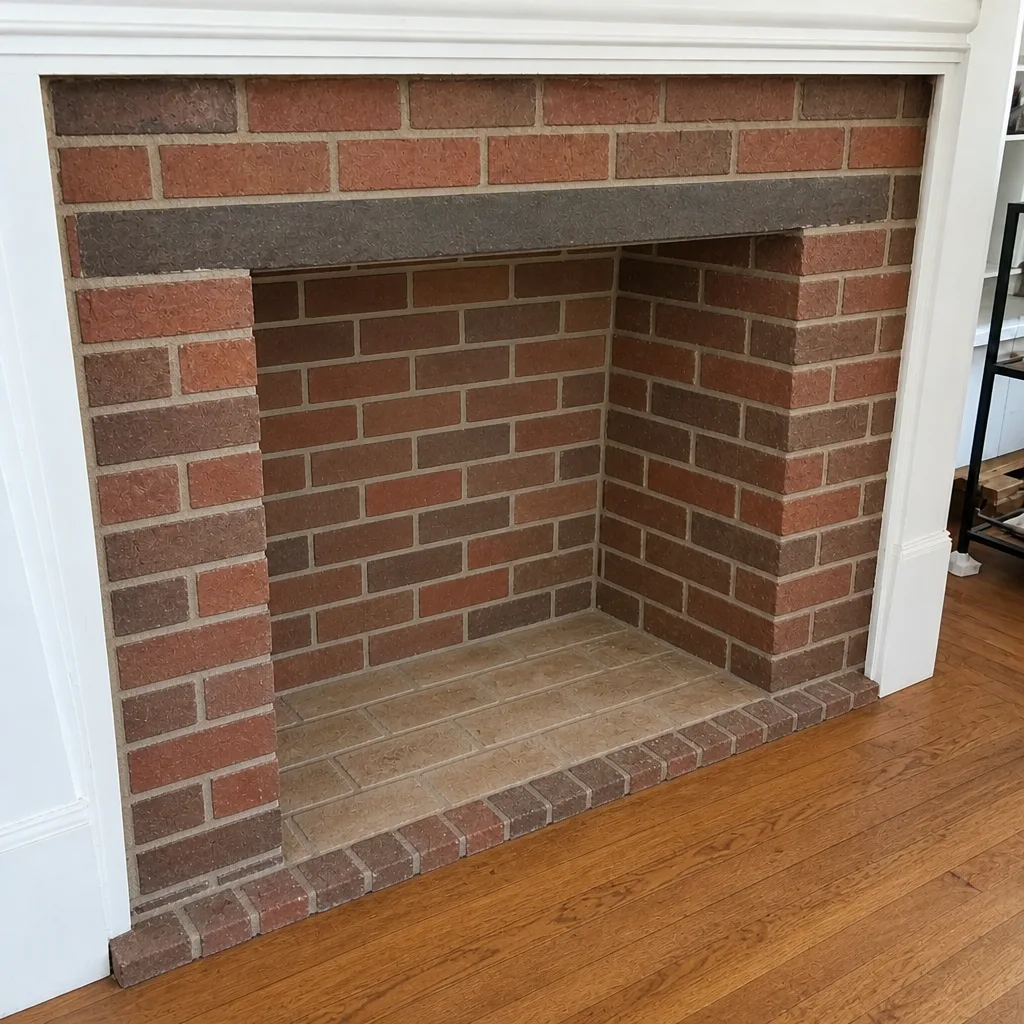 After
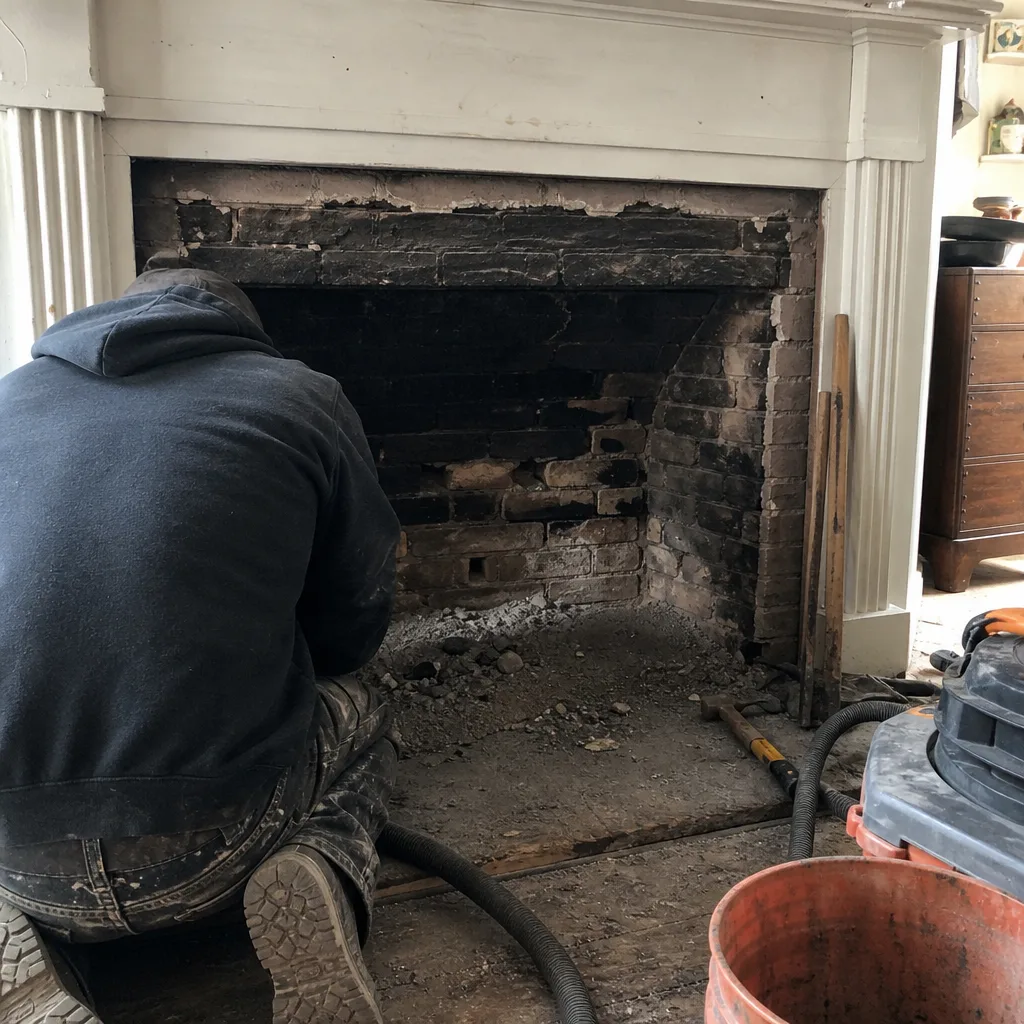 Before
 After
 Before
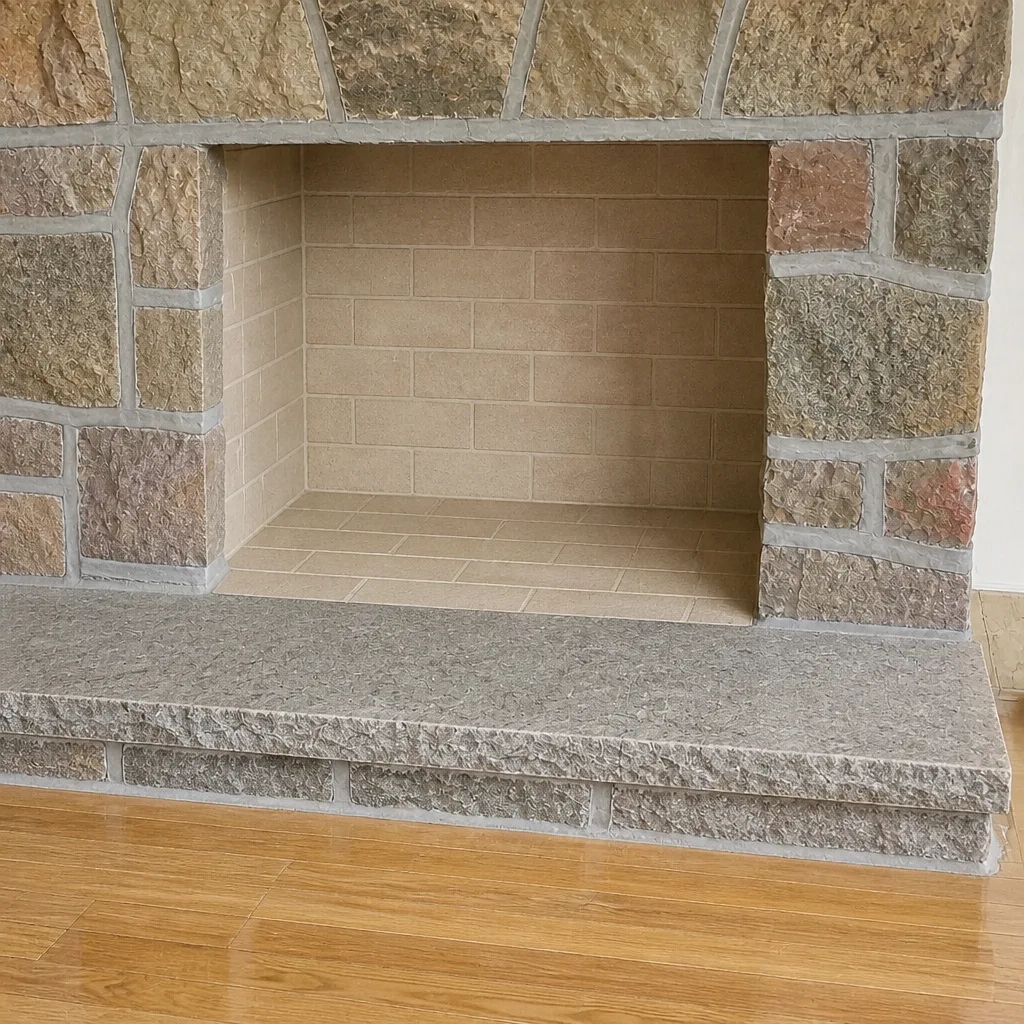 After
When to Call a Professional
You can handle a lot of chimney care yourself: keeping the log, watching for water stains, checking the cap from the ground with binoculars, and burning seasoned wood. But there are times to bring in a chimney specialist rather than trying to diagnose it yourself.
Call a professional if you see water stains on the ceiling near the chimney, smell smoke in a room that doesn’t have a fireplace, notice the fireplace backdrafting more than once or twice, find evidence of animals in the flue, or see loose or missing mortar on the chimney’s exterior. Chimney Sweep Jamaica Plain offers free estimates in Jamaica Plain – call (844) 443-3530. Our technicians have up to 14 years of experience, and every visit starts with an inspection before any recommendation. Nothing is recommended without camera evidence you can see for yourself, and we’ll tell you plainly when work can safely wait.
Frequently Asked Questions
At least once a year if you burn regularly, and more often if you burn a lot of wood or use an open fireplace rather than a wood stove. The best time to schedule that annual sweep in Jamaica Plain is late August or early September, before the first fire. If your log shows heavy creosote buildup between visits, the sweep frequency should increase. Call (844) 443-3530 for an exact quote – estimates are free.
Creosote builds up on the flue walls with every fire, and once it reaches a certain thickness it can ignite. A chimney fire can reach temperatures high enough to crack the flue liner and let heat reach nearby framing. Skipping a sweep also means missing early signs of water damage, animal nesting, or liner deterioration. Call (844) 443-3530 to schedule a sweep before the burning season.
Not always, and the honest answer requires looking. A camera inspection tells you whether the existing flue liner is intact or has gaps that let creosote and gases reach the masonry. When the liner is sound but the smoke chamber is rough, HeatShield resurfacing often solves the problem without full relining. When relining is needed, we install DuraFlex flexible liner systems sized to the appliance. Call (844) 443-3530 to schedule an inspection.
Most likely causes are negative pressure in a tight house, a flue that’s too large for the fireplace, wind coming over a nearby roofline, or a partially blocked flue. The combination of an urban canyon effect and older homes with original chimneys means Jamaica Plain sees more of this than more open neighborhoods. A proper cap and a camera inspection usually isolate the cause. Call (844) 443-3530 – estimates are free.
Not while chimney swifts are actively nesting. Swifts are protected under federal law, and their nesting season runs through the summer. Once the birds have left, capping is both legal and strongly recommended. If you’re not sure whether the nest is occupied, schedule an inspection first. Call (844) 443-3530 to book an inspection, and we’ll tell you when capping can safely happen.
A standard sweep with a proper brush and rods is within reach for a homeowner with the right equipment, but the inspection is where the value is. A sweep without an inspection misses cracks, water damage, and liner problems that only a camera can find. If you’re sweeping yourself, still book a professional inspection each year. Call (844) 443-3530 for a free estimate on inspection and sweep.
The Bottom Line
The chimney calendar in Jamaica Plain should follow the neighborhood’s actual climate, not the generic fall-sweep schedule. Late August for the sweep, April for the freeze-thaw check, June for the wildlife cap and crown review, and a running log through the winter. Each season handles the problem it’s built for, and each problem stays cheap when it’s caught on time. The whole system works better when you treat it as one thing: a chimney from cap to firebox, cared for by someone who works on chimneys only. If you’re ready to get the schedule in place for your home, call Chimney Sweep Jamaica Plain at (844) 443-3530 for a free estimate. We answer 24/7. Fast dispatch from 7am to 7pm, Sunday through Friday.
Written by the team at Chimney Sweep Jamaica Plain.