
Last updated November 25, 2026
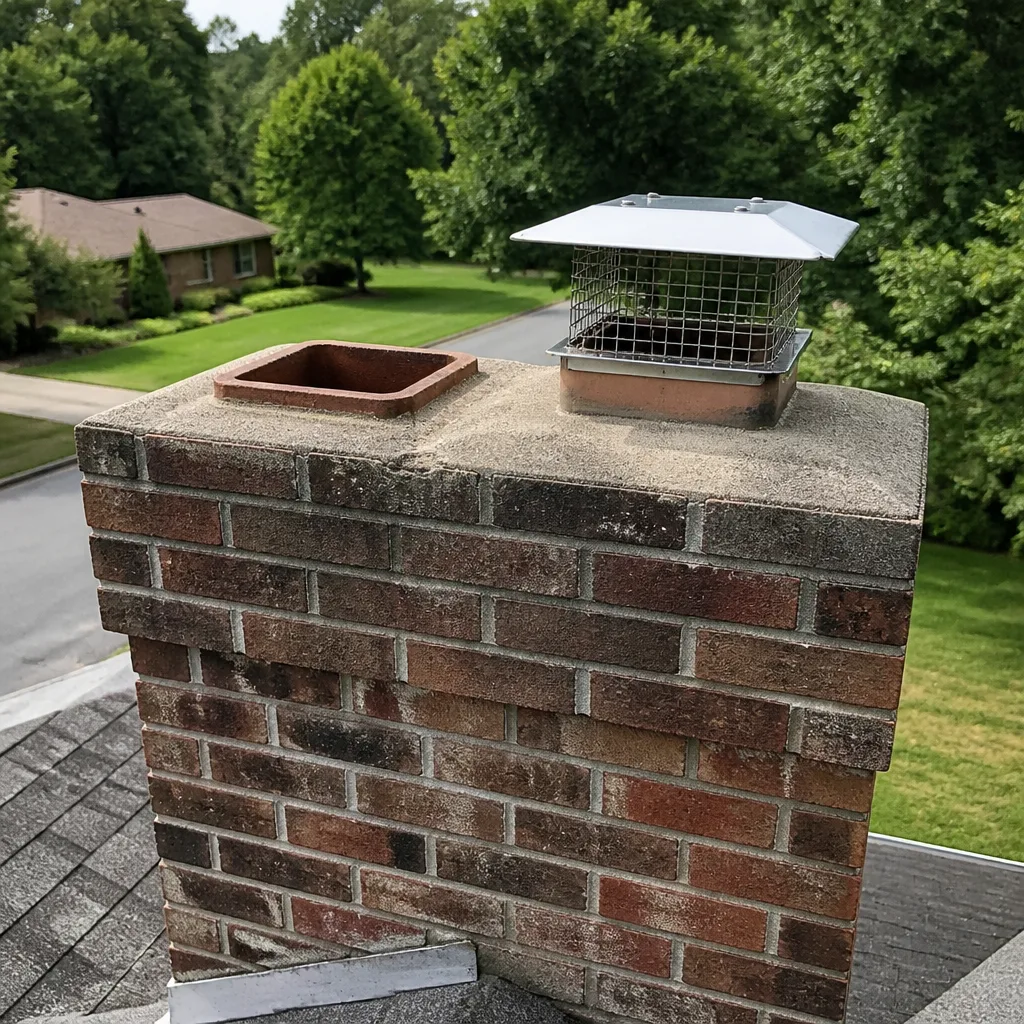 Sweep & inspection
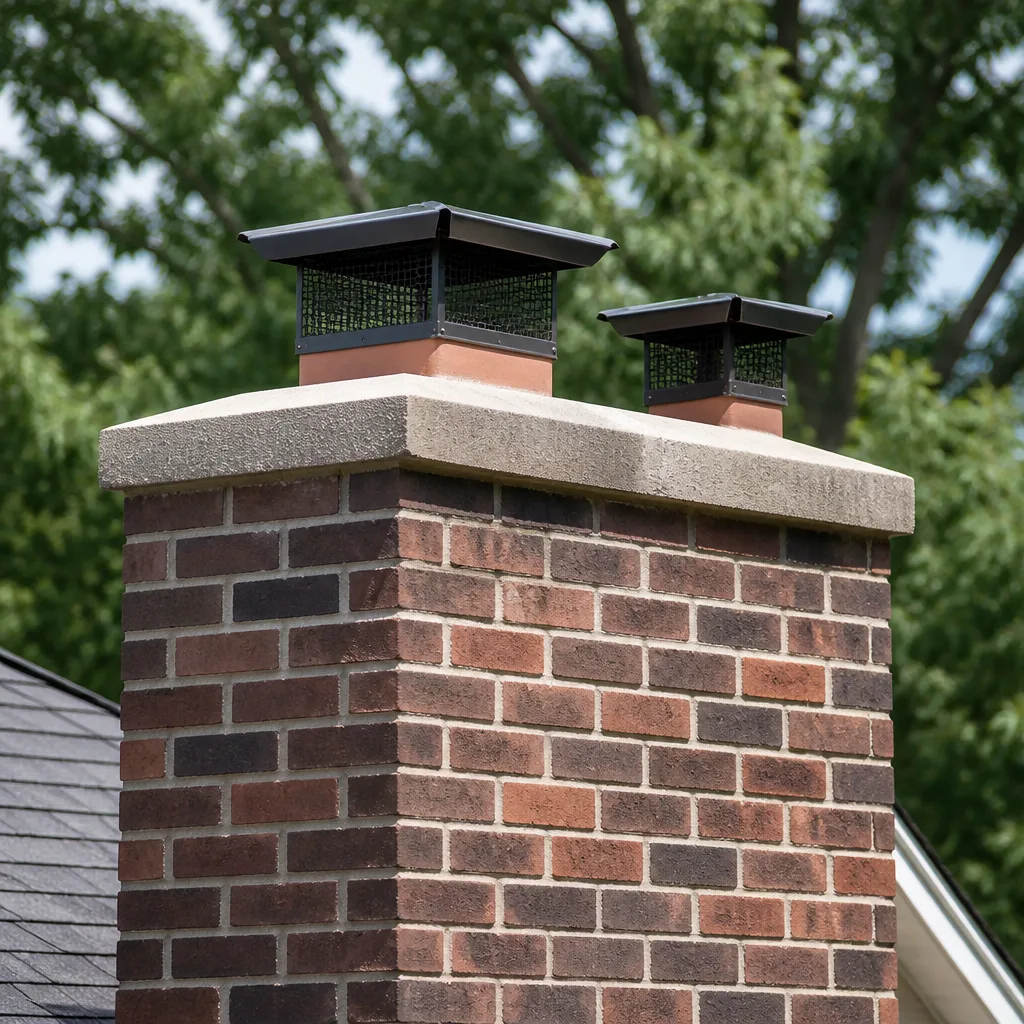 Caps & crowns
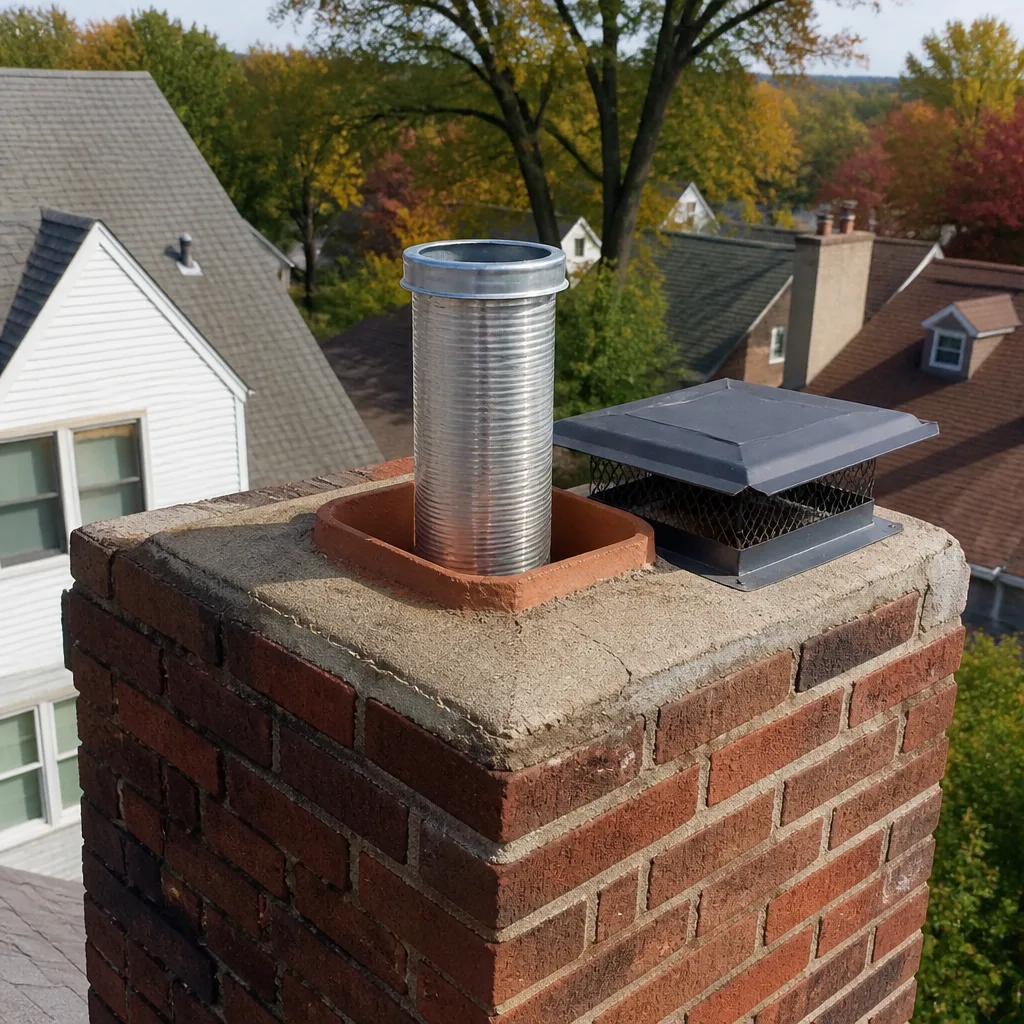 Flue relining
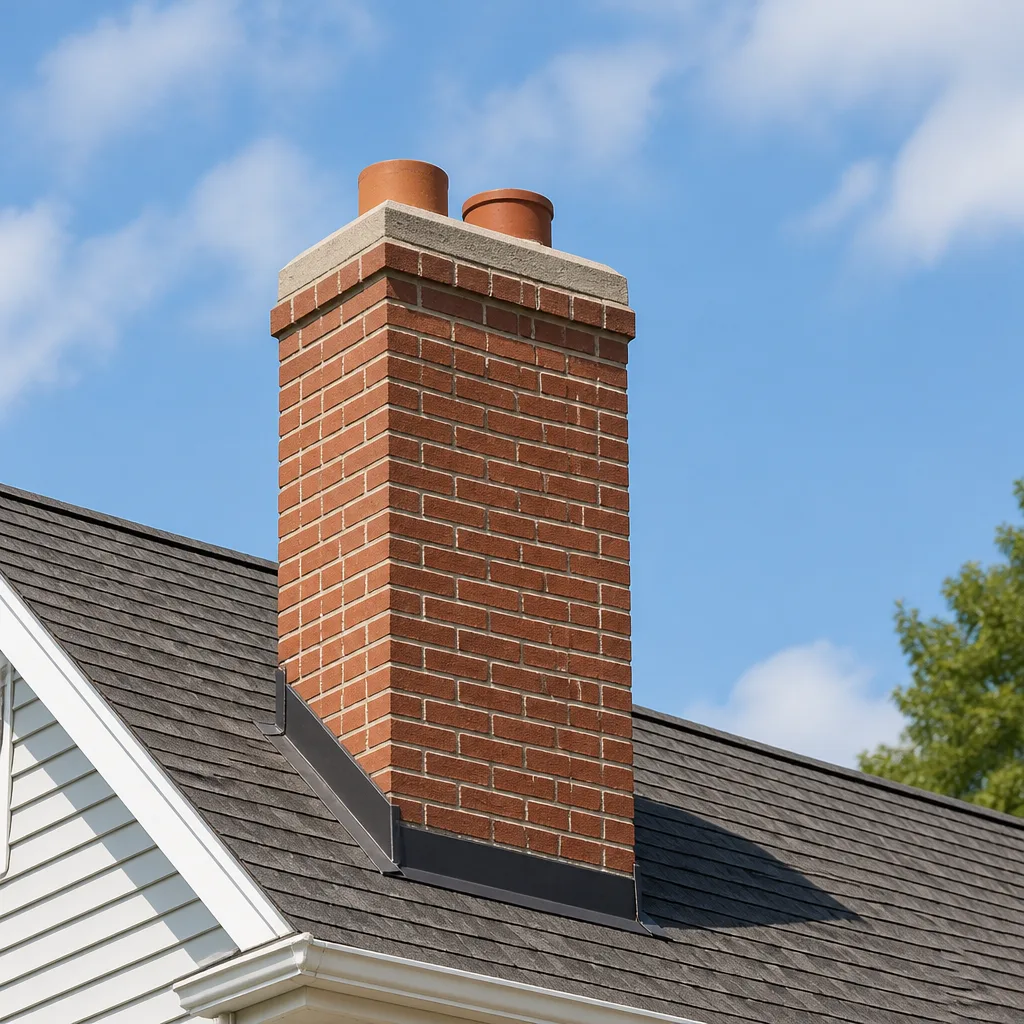 Masonry repair
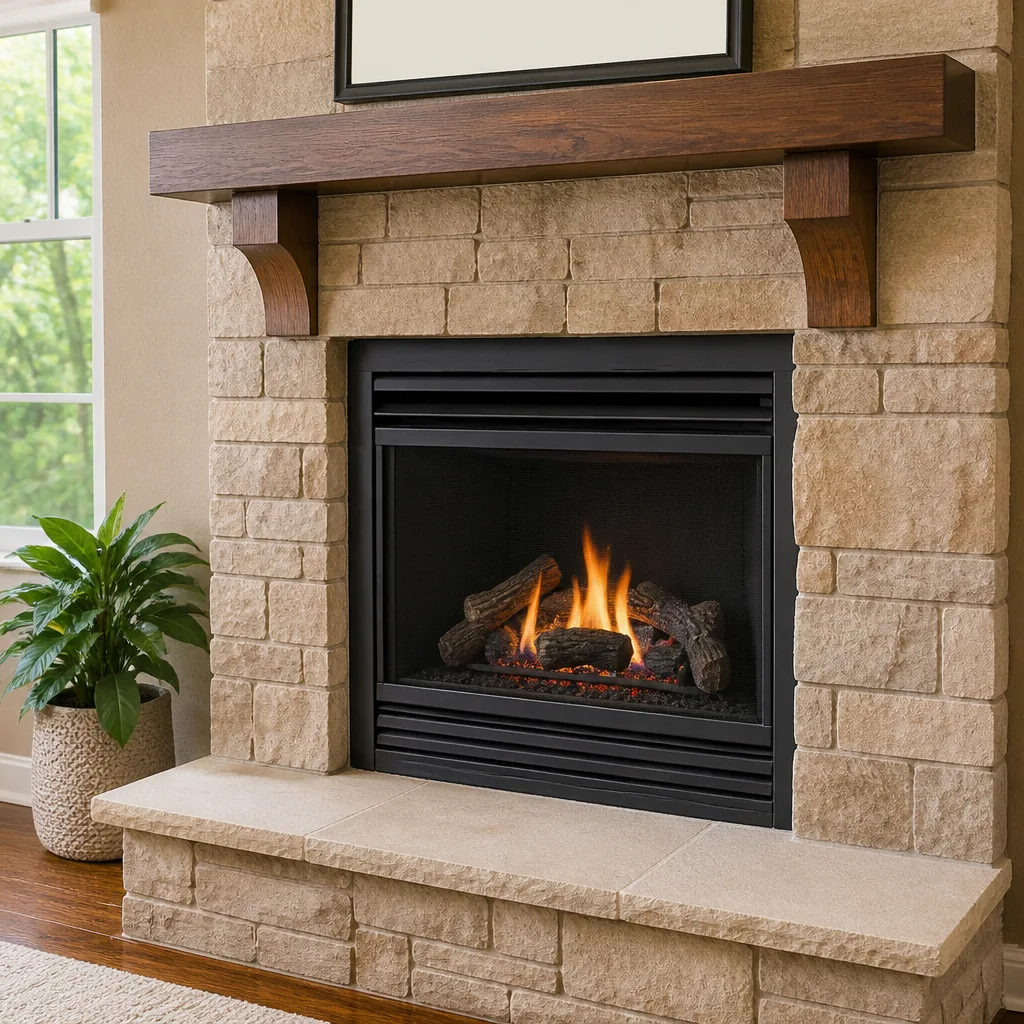 Gas fireplace service
Level 1 sweep and inspection to the NFPA 211 annual standard - flue, crown, cap, and flashing checked and photographed
Chimney sweep logs do not sweep chimneys. They loosen some creosote - which then falls where a brush and vacuum still have to collect it.
Chimney Cleaning Permits, Codes & Inspections in Jamaica Plain, MA: What You Need to Know
Here’s the part most homeowners miss: the cleaning visit itself doesn’t require a permit. What gets found during that visit sometimes does. A cracked flue tile, a gap behind the firebox, a liner that no longer meets clearance – findings like these can push a repair into permitting territory under Massachusetts building code, and if the work happens without that permit, the paper trail follows the house, not the contractor. When a Jamaica Plain home goes on the market or a fire claim gets filed, the missing permit becomes the homeowner’s problem. This guide walks through which chimney work needs a permit and which doesn’t, how Boston’s Inspectional Services Department fits into Jamaica Plain chimney projects, what an NFPA 211 Level 2 inspection actually obligates you to do, and how to get documentation from your sweep that holds up to an insurer or a future home inspector.
Quick Answer
In Massachusetts, routine chimney cleaning and most maintenance-level work do not require a building permit. Structural repairs, relining, firebox reconstruction, and any work that alters the chimney’s clearances or venting path generally do require one, pulled through Boston’s Inspectional Services Department (ISD) since Jamaica Plain falls under city jurisdiction. A Level 2 inspection is required by NFPA 211 whenever the appliance changes, a chimney is being sold with a property, or after a chimney fire or seismic event – and its findings tell you whether the next step is maintenance or permitted repair.
Styles & brands we work with
- Sweep & inspection
- Caps & crowns
- Flue relining
- Masonry repair
- Gas fireplace service
Table of Contents
- Which Chimney Repairs in Massachusetts Require a Building Permit?
- How Boston’s ISD Jurisdiction Applies to Jamaica Plain Chimney Work
- What an NFPA 211 Level 2 Inspection Requires You to Act On
- Insurance Claims and Home-Sale Disclosure for Unpermitted Work
- How to Request Documentation Your Insurer and Inspector Will Accept
- Step by Step: What a Permitted Chimney Repair Looks Like in Jamaica Plain
- The Three Inspection Levels and When Each Applies
- When Chimney Work Can Safely Wait (And When It Can’t)
Which Chimney Repairs in Massachusetts Require a Building Permit?
The line between maintenance and construction runs through whether the work changes the structure, the venting path, or the clearances that keep the chimney safe. A cleaning, a cap replacement, a crown patch, a damper swap – all of these fall on the maintenance side. Anything that alters how the chimney is built or how it vents, needs a permit. In Jamaica Plain, that distinction matters because the housing stock is old and repairs tend to compound once a sweep starts opening things up.
Here’s how we break it down for homeowners:
- Permit-exempt (maintenance and cleaning): sweeping, creosote removal, cap replacement, minor crown caulking, damper adjustment, and appliance-level cleaning of a stove or insert.
- Permit-required (construction): full liner installation or relining, firebox rebuild, masonry chimney reconstruction, chimney removal or height change, flue tile replacement, and installation of a new heating appliance with its venting.
- Grey area: HeatShield resurfacing on an existing flue – depending on scope, some jurisdictions treat it as a repair, some as a liner modification. This is where asking your city building department directly saves trouble.
We install DuraFlex flexible liner systems because they meet the code clearances Massachusetts inspectors look for, and because the manufacturer documentation travels with the job. Installation of a stainless liner is not a “sweep and forget” task – it’s construction work, and it should be permitted.
A related question worth knowing: routine chimney sweep visits do not trigger permitting, even when the sweep removes a significant creosote load. Removal is maintenance. Replacement is construction. That distinction is the whole game.
How Boston’s ISD Jurisdiction Applies to Jamaica Plain Chimney Work
Jamaica Plain is a Boston neighborhood, which means chimney permits here are pulled through the city’s Inspectional Services Department, not a separate town building department. ISD handles plan review, permit issuance, and inspection sign-offs for residential construction across the city, and Jamaica Plain chimney projects follow that same path. If a contractor tells you a Jamaica Plain job doesn’t need ISD involvement, ask why in writing.
The workflow looks like this:
- The contractor submits a permit application to ISD for the scope of work, with the address, the appliance or chimney description, and the materials being installed.
- ISD reviews the application. Simple relines and firebox repairs are usually straightforward; structural work may need a stamped plan.
- The permit is issued and posted. Work proceeds.
- An ISD inspector visits at the rough-in and final stages to confirm clearances, venting, and materials match the permit.
- ISD signs off and the permit closes. That closed permit becomes part of the property record – which is exactly what future buyers and insurers will look for.
Timing varies with how busy ISD is and how complete the application is. Any contractor who tells you a Jamaica Plain chimney permit can be obtained in an hour is guessing. Ask for the permit number when work begins. If a contractor resists, that’s your answer.
One local wrinkle worth mentioning: Jamaica Plain has a lot of older homes with masonry chimneys that were built long before current code, and some of them have been modified without documentation over the years. When a sweep inspects a Jamaica Plain chimney and finds work that doesn’t match the record, the honest conversation is about bringing it into compliance – not pretending the past doesn’t exist. We work with homeowners through that process directly, and we’re upfront when the scope of work crosses into permitted territory.
What an NFPA 211 Level 2 Inspection Requires You to Act On
NFPA 211 is the national standard for chimneys, fireplaces, vents, and solid fuel appliances. A Level 2 inspection is the standard’s defined scope for a visual and accessible inspection of the entire chimney – not just the firebox – including accessible portions of the flue, the crown, the cap, and any concealed spaces the inspector can safely access. In Massachusetts practice, a Level 2 is expected whenever the property changes hands, the appliance changes, a chimney fire has occurred, or the chimney has sustained damage from a seismic event or weather.
The findings don’t always obligate a repair. They obligate a decision. Here’s how we frame it for Jamaica Plain homeowners:
- Findings you must act on before continued use: cracked or displaced flue tiles that compromise containment, missing or damaged liner sections, gaps at the smoke chamber or firebox, and clearances to combustibles that fall below code. These are safety stop signs – continued burning risks fire or carbon monoxide migration into the home.
- Findings you should schedule but can plan around: crown fractures, minor spalling, a cap that has shifted, or a damper that no longer seats properly. These affect efficiency and long-term durability, not immediate safety, though they shouldn’t be ignored indefinitely.
- Findings that are informational: surface soot build-up, light glazing on the flue, and creosote that can be removed at the next scheduled Chimney Sweep Jamaica Plain visit.
A Level 2 inspection with camera footage is what turns that conversation from a sales pitch into evidence. We show the homeowner the camera footage, explain exactly what the finding means under the standard, and tell them when the work can wait.
Insurance Claims and Home-Sale Disclosure for Unpermitted Work
Unpermitted chimney work tends to surface at the worst moments: when a fire claim is filed, or when a Jamaica Plain home is under contract and the buyer’s inspector pulls back the cap and sees a liner installed without a permit. In an insurance context, a carrier can dispute coverage if the loss traces back to work performed outside the permitted path. In a sale, unpermitted work becomes a negotiation item at best, a deal-killer at worst – and Jamaica Plain’s older housing stock means buyers here are already asking detailed questions about chimney condition.
Both problems have the same fix: documentation. When work is done under permit, the permit number, inspection sign-off, and manufacturer installation paperwork all live with the property. When work is done outside that path, the homeowner has nothing to show. We’ve seen Jamaica Plain homes where a liner repair has clearly happened, but there’s no record of it – and the buyer’s side asks the question that nobody can answer. It costs the seller more than the permit would have.
Massachusetts real estate transactions include a seller’s disclosure of known defects, and unpermitted chimney work that fails to meet code is exactly the kind of thing a knowledgeable seller should disclose. That’s not a punishment for the seller – it’s protection for everyone in the transaction. The cleaner path is to permit the repair when it happens, and to keep the paperwork with the chimney service file.
How to Request Documentation Your Insurer and Inspector Will Accept
Ask for the paperwork before the work starts, not after. The best time to confirm what documentation you’ll receive is at booking. Here’s what a chimney file should contain after a permitted repair, and what to ask your sweep to provide:
- Level 2 inspection report: a written report with the findings, dated, signed, and accompanied by photo or video documentation of the chimney interior. This is the document that answers the buyer’s inspector and the insurer’s adjuster.
- Permit number and closing inspection sign-off: the ISD permit number on the invoice, plus the final inspection sign-off once the job closes.
- Manufacturer installation documentation: for a DuraFlex liner, HeatShield resurfacing, or a new cap system, the manufacturer’s installation certificate showing the specific product and how it was installed.
- Material specifications: brand, model, and rated clearances. We supply Copperfield and Gelco components alongside DuraFlex liners, and the spec sheet should travel with the file.
- Invoice with scope of work described in detail: “liner repair” is not enough. The invoice should describe what was replaced, what was resurfaced, and what the inspector should see.
When you request a standalone chimney cap & crown service or a full inspection, we deliver a report that can sit alongside the permit paperwork in your home file. That combination – inspection report, permit record, and manufacturer documentation – is what satisfies both sides of the transaction.
Step by Step: What a Permitted Chimney Repair Looks Like in Jamaica Plain
A correctly permitted chimney repair in Jamaica Plain isn’t dramatically different from an unpermitted one at the point of the wrench. It’s different in the sequence, and in what travels with the home afterward.
- Inspection first. Any repair starts with a Level 2 inspection (or Level 1 for a routine maintenance visit). Camera footage and a written report establish what needs work and what doesn’t. No recommendations without evidence the homeowner can see.
- Scope decision. Some findings call for a permitted repair. Some are maintenance. Some can safely wait. The homeowner gets a written scope and a clear recommendation on which bucket each finding falls into. No upselling work the chimney doesn’t need.
- Permit application. If the work crosses into construction, the contractor files with ISD. The homeowner receives the permit number.
- Work performed. Repairs proceed with professional-grade materials: DuraFlex for relining, HeatShield for resurfacing the flue where full replacement isn’t necessary, and cap or crown work that protects the repair long-term.
- ISD inspection. The city inspector reviews the finished work against the permitted scope.
- Sign-off and file. The closed permit and installation documentation go into the homeowner’s file alongside the inspection report.
This process matters because at step 5 or step 6, the homeowner receives paperwork they didn’t know they needed until a fire claim or a sale made it matter. A clean chimney is the starting point – a safe, sealed system with a documented paper trail is the goal.
The Three Inspection Levels and When Each Applies
Not every inspection is the same scope, and knowing which level applies keeps you from paying for more than you need or under-inspecting a real problem. The three levels come straight from NFPA 211 and the CSIA framework, and Jamaica Plain homeowners run into all three depending on the situation.
- Level 1: a visual check of accessible portions of the chimney with the standard tools. Appropriate for an annual safety check on a chimney under continuous use, or after a routine sweep. It assumes the appliance and chimney are as they were when last inspected.
- Level 2: the Level 1 scope plus accessible areas of the attic, crawl space, and other concealed portions, and often video scanning of the flue interior. Required when the property changes hands, when an appliance changes, after a chimney fire, or after a weather event that could have affected the chimney.
- Level 3: a Level 2 plus removal of parts of the chimney or building where access is required to inspect a specific concern. This is invasive and specific to a known problem, not a routine inspection.
In Jamaica Plain, Level 2 is the level most homeowners will encounter during a sale or when adding a wood stove. The fireplace repair work that follows an inspection finding is decided based on what the level 2 report actually shows – not what a contractor suspects.
We offer chimney inspections as a standalone service because real estate transactions, insurance requirements, and annual safety checks each need the same clean report. The consumer should never feel like the inspection is just the opening act for a bigger sale.
When Chimney Work Can Safely Wait (And When It Can’t)
Massachusetts chimney work has a season, and it isn’t mid-July. Fall is when most Jamaica Plain homeowners get their sweep on the calendar, and the reason is straightforward: creosote accumulation, cooler weather, and burning season all line up. If your last cleaning was more than a cord of wood ago, or you can’t remember the last time you saw a report, book a visit before burning season.
What can safely wait:
- A crown with minor surface cracking that isn’t yet allowing water into the chimney structure.
- A cap that’s slightly proud of the flue but still properly seated.
- Cosmetic wear on the firebox brick where the firebox is otherwise intact and clearances are met.
What shouldn’t wait:
- Cracked or missing flue tile, or any visible gap in the liner path. These are safety findings, and continued burning risks fire spread into the framing or carbon monoxide into the living space.
- A chimney fire that’s occurred, however small, without a follow-up Level 2 inspection.
- A clearance violation discovered during a Level 2 – meaning the chimney is too close to combustibles to be used safely until it’s addressed.
Safety is the reason to act, and the reason to act now. Carbon monoxide is invisible, and a compromised flue doesn’t announce itself. The honest answer is that a trained professional should be the one to make the call, because the differences between maintenance and safety-critical findings are not visible from the fireplace.
Common Mistakes to Avoid
- Assuming a sweep knows the permit line. Plenty of general handymen and HVAC crews will install a liner and skip ISD. If your contractor doesn’t mention permits on liner or firebox work, ask directly and get the answer in writing.
- Treating the cleaning invoice as your chimney file. A cleaning invoice proves nothing about whether the chimney is safe. Only a Level 2 report with photo or video evidence tells you (or your buyer) what’s actually going on in the flue.
- Ignoring a firebox repair because it “looks fine.” Hairline cracks in the firebox can open under heat. A Level 2 report catches them; a visual glance from the living room doesn’t.
- Letting a cap sit damaged through winter. Water intrusion through a failed crown or displaced cap is one of the most common causes of masonry deterioration in Jamaica Plain’s older housing. Small preventive work prevents large structural work.
- Skipping the manufacturer documentation on a liner install. The installer’s word is not the same as a DuraFlex installation certificate. Ask for the manufacturer paperwork before the invoice is paid.
- Believing all liner products are equal. Off-the-shelf and unbranded liners exist. We use DuraFlex, HeatShield, Olympia Chimney, Famco, and Copperfield because those are the systems professional chimney contractors across the country specify – and because inspectors recognize them.
- Waiting for the sale to discover the paperwork gap. If you’re thinking about selling a Jamaica Plain home in the next couple of years, getting the chimney file in order now is far cheaper than negotiating over it at closing.
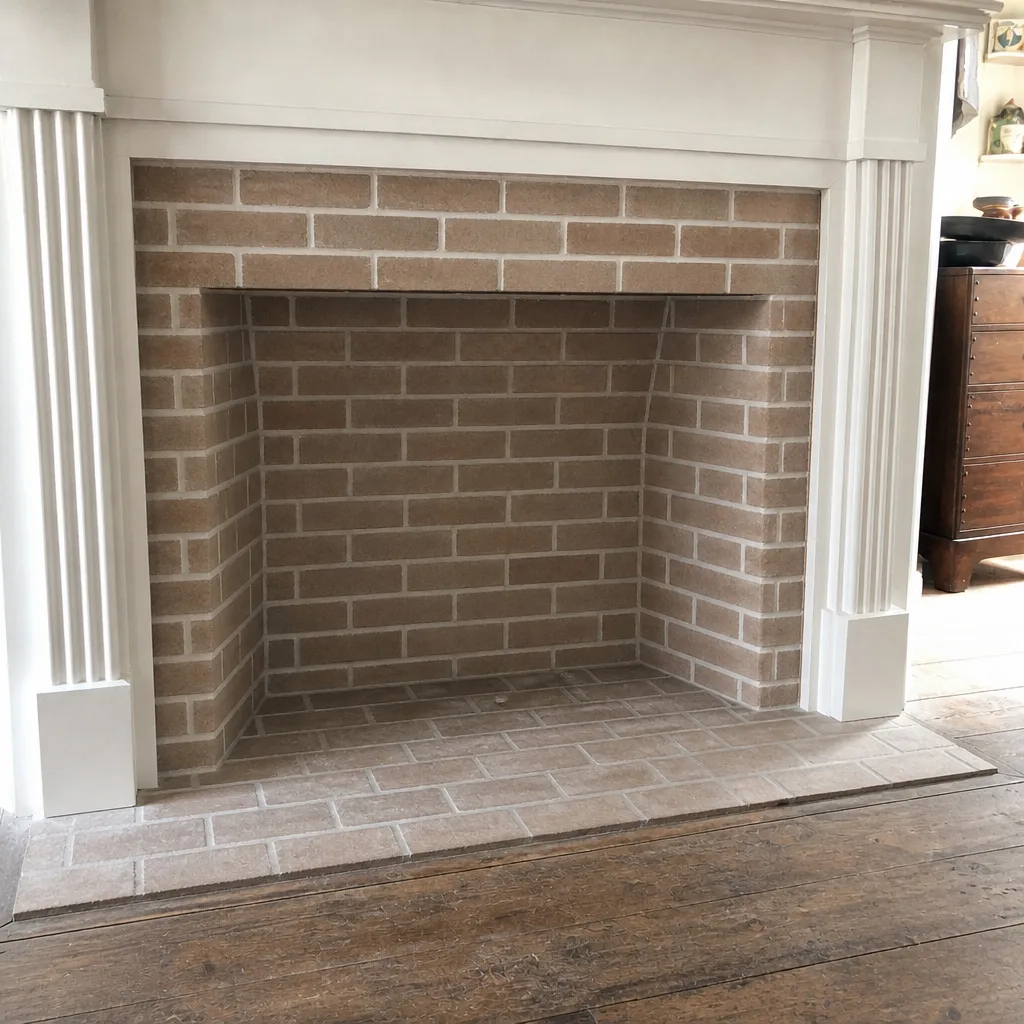
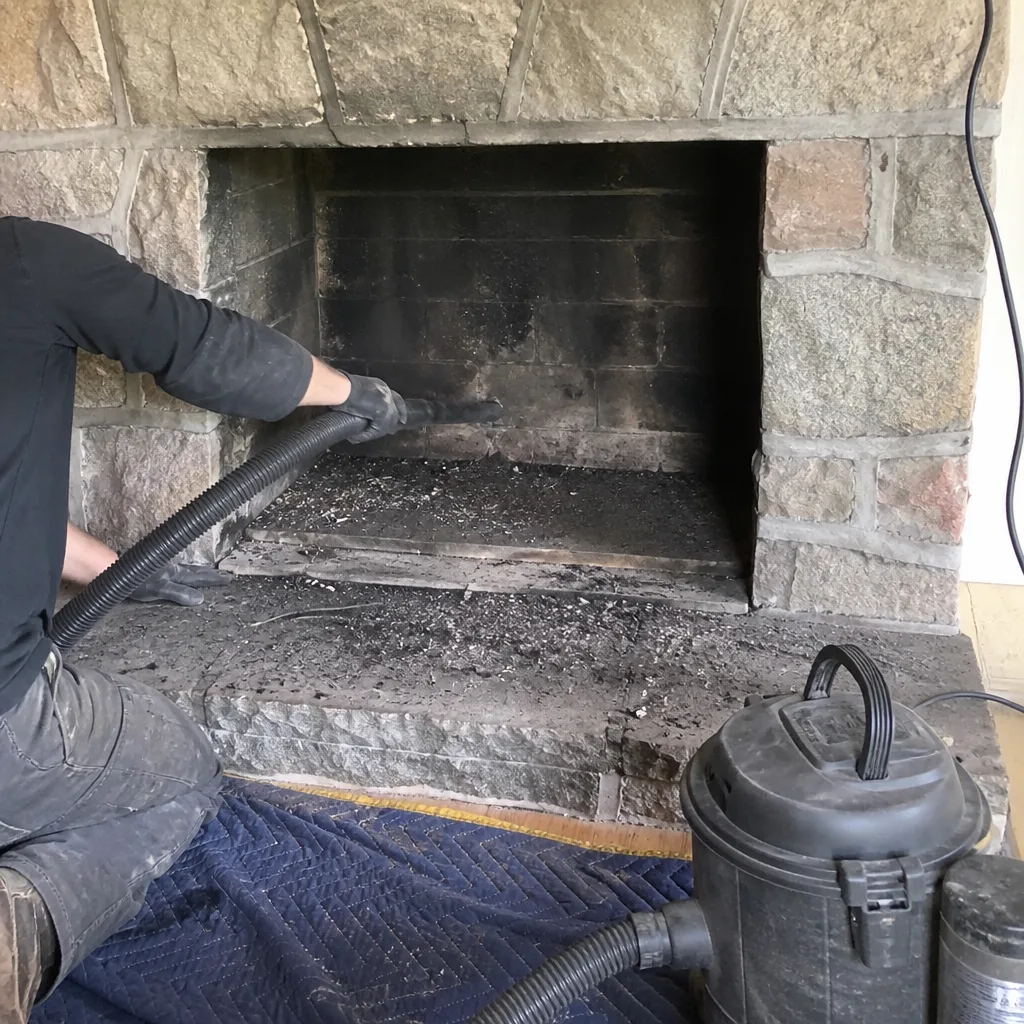
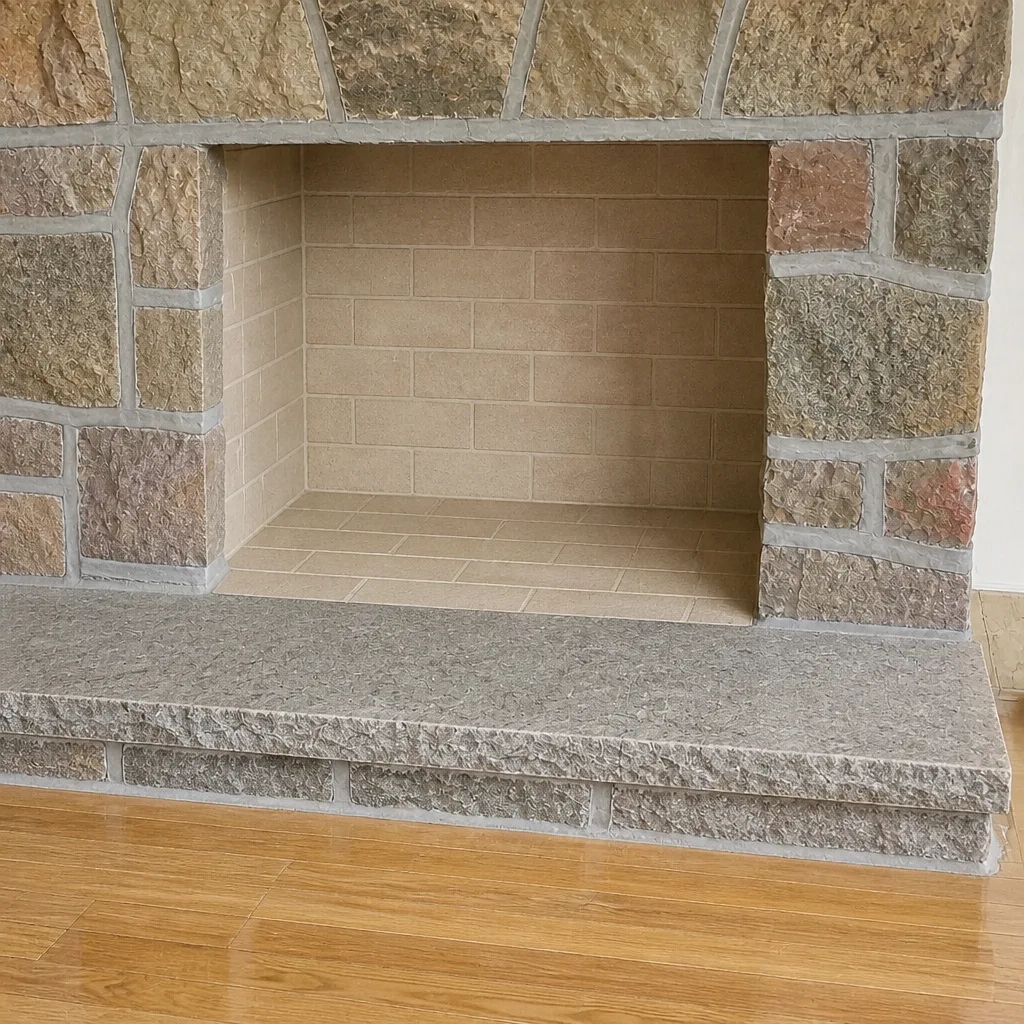
See the difference
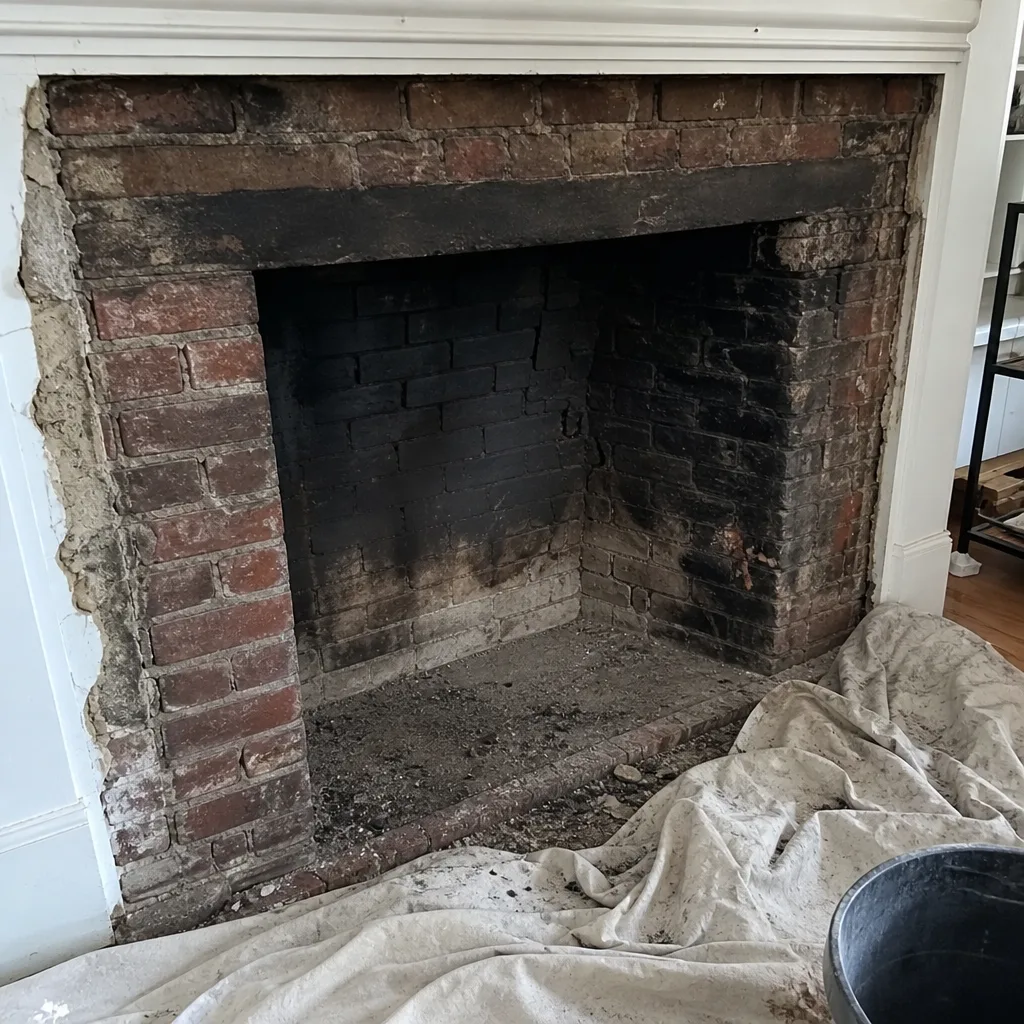 Before
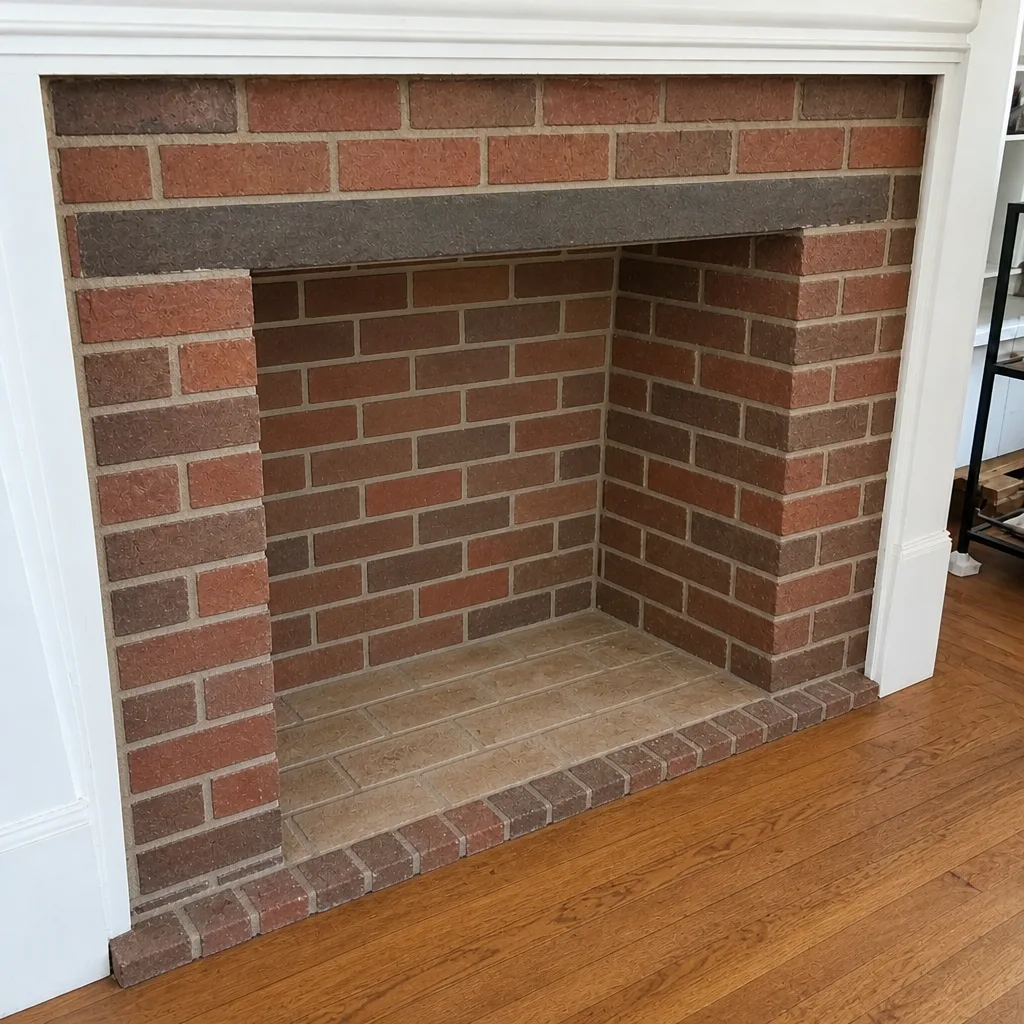 After
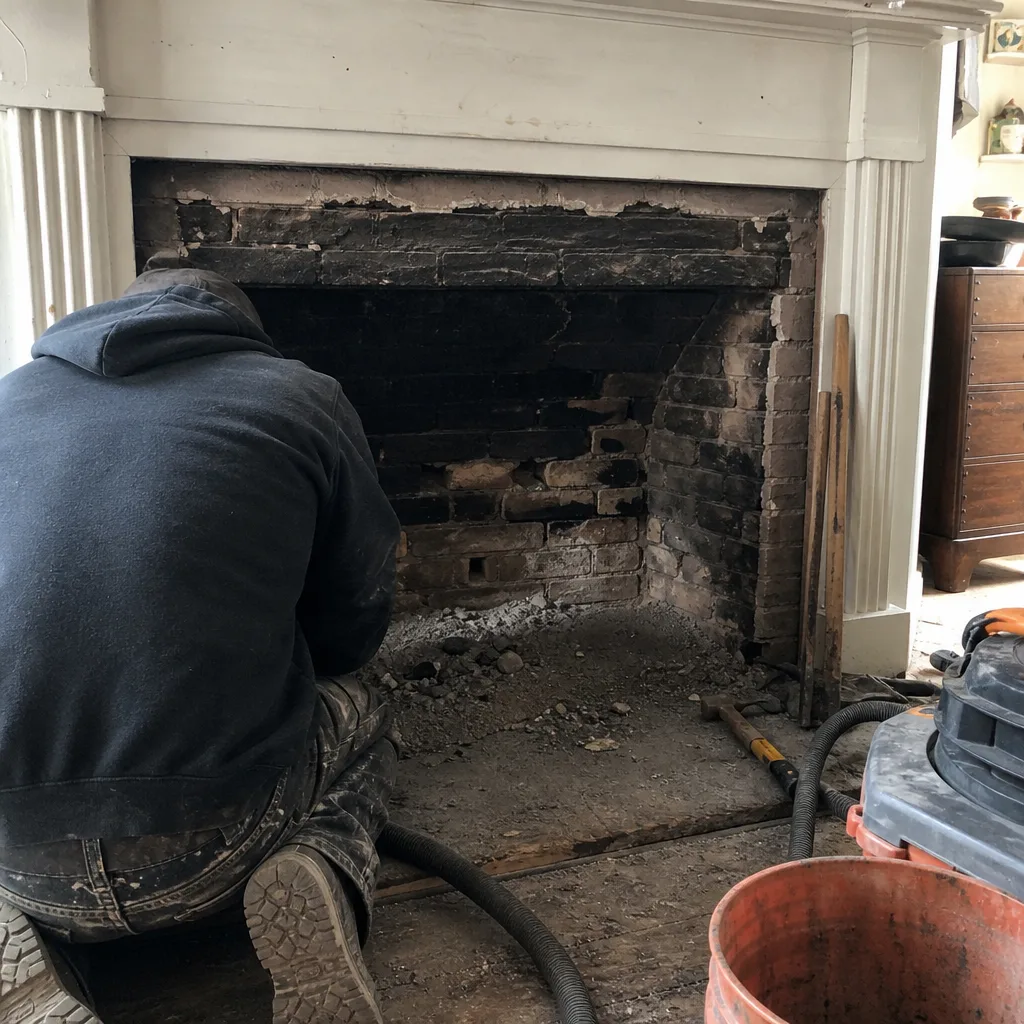 Before
 After
 Before
 After
When to Call a Professional
Call a professional if any of these describes your situation: you’ve never had a Level 2 inspection on your current home; you’re buying or selling a Jamaica Plain property; you’ve had a chimney fire, however minor; you’re adding a wood stove or insert; you’ve noticed cracked firebox brick, flue tile, or a failed crown; or you can’t remember when the chimney was last cleaned. Chimney work involves high-tension components, clearances, and venting paths where the margin for error is small, and diagnostic findings need a trained eye with camera equipment. Chimney Sweep Jamaica Plain offers free estimates in Jamaica Plain – call (844) 443-3530. We answer 24/7. Fast dispatch from 7am to 7pm, Sunday through Friday. Every estimate is set by written estimate after inspection, and nothing gets recommended without camera evidence you can see for yourself.
Our technicians have up to 14 years of experience, and we work exclusively on chimney systems – not as a side service for an HVAC or masonry business. One specialist for the full chimney, from cap to firebox.
Frequently Asked Questions
No. Chimney cleaning – sweeping, creosote removal, cap replacement, and damper adjustment – is maintenance under Massachusetts building code and doesn’t require a permit through Boston’s Inspectional Services Department. Only repairs that change the chimney structure, venting path, or clearances need a permit, and a Level 2 inspection is the honest way to sort which category your findings fall into. Call (844) 443-3530 for an inspection before the work is planned – estimates are free.
Liner installation or relining, firebox rebuild, masonry reconstruction, chimney height changes, and flue tile replacement generally require a building permit in Massachusetts, pulled through Boston’s ISD for Jamaica Plain properties. Routine maintenance – cleaning, caps, crown caulking, damper work – does not. When a scope is on the line between a repair and a modification (HeatShield resurfacing is a common example), ask the city building department directly. Call (844) 443-3530 and we’ll walk through the scope with you – estimates are free.
A Level 2 inspection covers the entire accessible chimney – firebox, smoke chamber, flue, crown, cap, and accessible concealed spaces – with photo or video documentation of what’s found. NFPA 211 requires it during property sales, after appliance changes, and following chimney fires. The report is the document that answers a buyer’s inspector or an insurance adjuster, and it tells you clearly what needs action versus what can wait. Call (844) 443-3530 to book a Level 2 inspection in Jamaica Plain – estimates are free.
It can. A carrier may dispute a claim if the loss traces back to work performed outside the permitted path, especially if a contractor installed a liner or rebuilt a firebox without ISD oversight. The most practical fix is to have a Level 2 inspection performed now, get the findings documented, and bring any non-compliant work into the permitted path before a claim forces the conversation. Call (844) 443-3530 to discuss your situation – estimates are free.
You provide three things: the ISD permit number and inspection sign-off, the manufacturer installation documentation, and the Level 2 inspection report with photo or video evidence. Together those three make up a complete chimney file. If you’re missing any of them, we can inspect and document what’s there now so the buyer’s side has a clean report to review. Call (844) 443-3530 to schedule an inspection – estimates are free.
Some of it can, and some of it shouldn’t. Crown fractures, cosmetic wear, and non-urgent cap work can usually be scheduled without immediate risk. Cracked flue tile, visible liner gaps, firebox cracks, or any clearance violation are safety findings – those should stop burning until they’re addressed. A trained professional should make that call, not a homeowner guessing from the hearth. Call (844) 443-3530 to book an inspection and get a clear answer – estimates are free.
The Bottom Line
Chimney cleaning in Jamaica Plain is maintenance and doesn’t need a permit. Chimney repair – relining, firebox rebuilds, structural work – often does, and pulled correctly through Boston’s Inspectional Services Department, that permit record becomes an asset to the home. A Level 2 inspection tells you which side of the line your chimney is on, and the documentation from that inspection is what satisfies an insurer, a buyer, and a future home inspector. Get the inspection first, understand the findings, permit the work that requires it, and keep the file. You’ll thank yourself at the closing table. Call (844) 443-3530. We answer 24/7. Fast dispatch from 7am to 7pm, Sunday through Friday.
Written by the team at Chimney Sweep Jamaica Plain.