
Last updated November 25, 2026
 Sweep & inspection
 Caps & crowns
 Flue relining
 Masonry repair
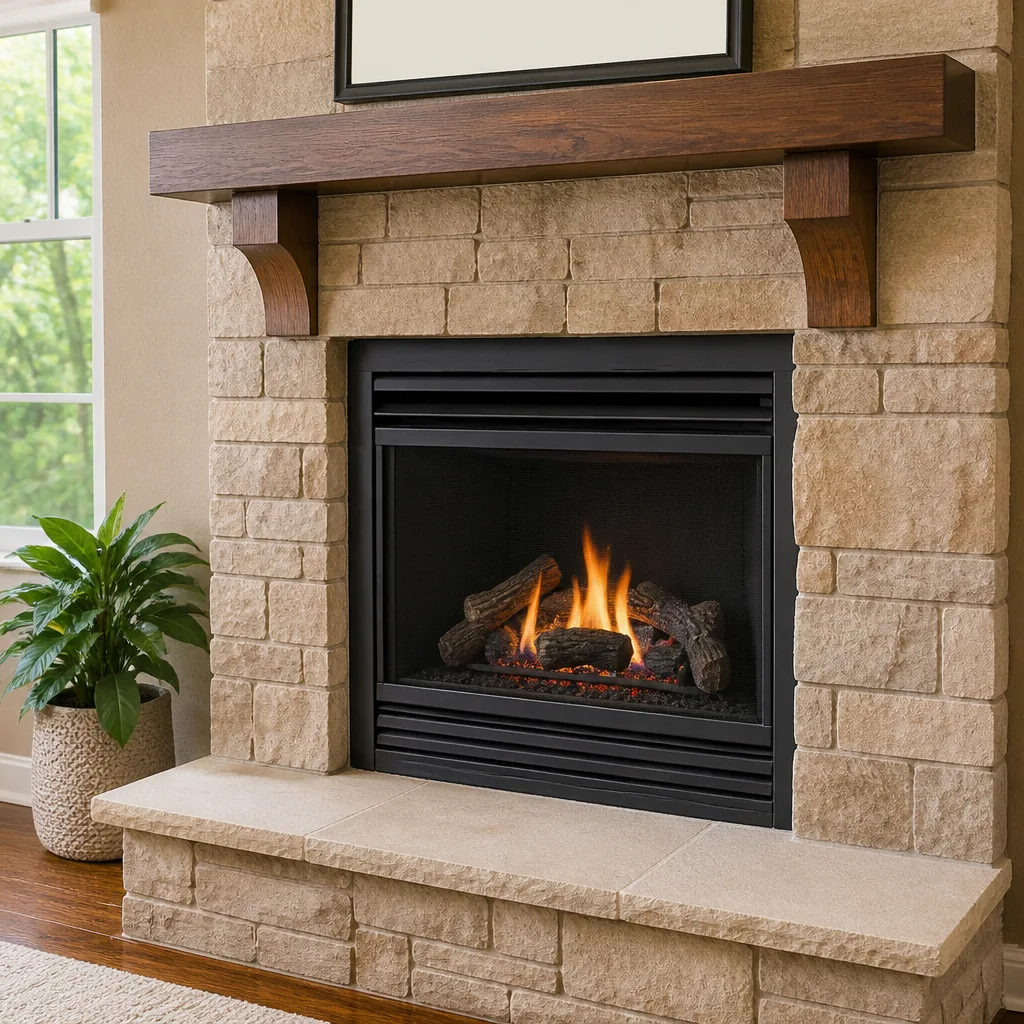 Gas fireplace service
Level 1 sweep and inspection to the NFPA 211 annual standard - flue, crown, cap, and flashing checked and photographed
Chimney sweep logs do not sweep chimneys. They loosen some creosote - which then falls where a brush and vacuum still have to collect it.
DIY vs Professional Chimney Cleaning: The Jamaica Plain Homeowner’s Decision Guide
Most DIY chimney cleaning guides assume a house that doesn’t exist in Jamaica Plain. They describe a straight flue, a modern liner, and a homeowner with an afternoon to spare. Then they hand you a brush and wish you luck. Here’s the part they skip: whether your specific chimney is one of the ones where a homeowner can safely do the sweep. Some JP chimneys are. Many aren’t. The ones that aren’t tend to be the older, converted, shared-wall flues common in this neighborhood. This guide walks through the conditions that separate a responsible DIY sweep from a job that looks finished but leaves creosote, gaps, and hidden problems in places you can’t see.
Quick Answer
DIY chimney cleaning is reasonable only if you have a straight, lined flue in good condition, a single-story or easily accessed roof, light annual creosote from dry cordwood, and no history of oil, coal, or unlined use. In Jamaica Plain, most triple-decker and older converted chimneys fail at least two of those conditions, which is why we recommend professional cleaning and inspection first, then decide together whether DIY makes sense going forward.
Styles & brands we work with
- Sweep & inspection
- Caps & crowns
- Flue relining
- Masonry repair
- Gas fireplace service
Table of Contents
- Is DIY chimney cleaning ever actually safe? The honest conditions
- What a real DIY chimney cleaning actually requires
- DIY vs professional chimney cleaning cost: where the math shifts in Jamaica Plain
- Triple-deckers, shared flues, and the insurance question
- What you can’t see without a camera (and what older JP flues hide)
- Between visits: maintenance you can do without overstepping
- How a professional chimney sweep works in Jamaica Plain
- A simple decision tree for JP homeowners
Is DIY chimney cleaning ever actually safe? The honest conditions
Yes, sometimes. A homeowner with a single-story Cape and a straight, recently-lined flue burning dry cordwood can responsibly do their own annual sweep with the right equipment. A homeowner in a JP triple-decker with an unlined 1920s flue and an oil-to-wood conversion history cannot. The gap between those two scenarios is what most tutorials don’t mention. It’s not about whether you’re handy. It’s about whether the chimney geometry, the liner, and the burn history put you in DIY territory or not.
Here are the conditions that need to line up before we’d say a DIY sweep is genuinely adequate:
- Fully lined flue in verified good condition. “Lined” means a stainless system or a proper clay tile liner with no cracks, gaps, or spalling. If you don’t know what’s in your flue, DIY is off the table until someone checks.
- Straight run, no offsets. A flue with even one offset (a jog in the tile run) will hide brush-bypassed creosote on the shoulder of the turn. Most JP flues over 60 years old have at least one.
- Wood-only burn history. If the chimney ever served oil, coal, or an unvented gas appliance, the residue inside is different and needs a professional assessment before any brush goes in.
- Annual creosote load is light to moderate. If you’re seeing glaze on the flue walls, you’re past the stage where a homeowner brush is sufficient.
- Safe roof access. Steep pitches, slate, snow load, and ice make a roof sweep genuinely dangerous. There’s no version of this where falling off a JP roof is worth the savings.
- You can inspect afterward. A sweep without inspection is a guess. If you can’t see the flue interior after sweeping, you don’t know the job is done.
If all six line up, we’ll say so. We’d rather tell a homeowner in Jamaica Plain they don’t need us than talk them into a service that isn’t necessary. If even one falls short, that’s where the professional side starts pulling its weight. First step is usually a chimney sweep plus a look up the flue with a camera.
What a real DIY chimney cleaning actually requires
A $40 kit from the hardware store is not a chimney cleaning setup. It’s a starter package that leaves half the work undone. A real DIY chimney sweep requires equipment that, priced out honestly, costs roughly as much as three or four professional cleanings. That math is the piece most “save money by doing it yourself” advice leaves out.
Here’s what you actually need, minimum:
- Rods long enough to reach the full flue. Short rods that don’t reach the top mean you’re brushing the bottom third and calling it done. Most JP flues are 20 to 30 feet from firebox to cap.
- The right brush for your liner. Poly brushes for stainless, wire for clay tile only in good condition, and never the wrong one in the wrong flue. A wire brush on a damaged clay tile liner speeds the damage.
- A HEPA-rated shop vacuum. Not a standard wet-dry vac. Chimney soot is fine enough that a normal shop vac pushes it back into the room.
- Drop cloths, sealed plastic, and negative air if possible. Soot migrates. Every bit of air movement in the room moves it further.
- A ladder rated for the roof pitch, and roof anchors. Not a step ladder propped against the gutter.
- A bright LED work light and a mirror, or a camera. Because the sweep isn’t finished until you’ve looked at what you swept.
- Respirators. Soot and creosote dust are health hazards. A dust mask is not enough.
Add up the real equipment cost and you’re likely past $400 to $600 before the first sweep. A pro sweep and inspection packages into that same dollar range and includes the camera work, the liner check, and a documented record. The economics only favor DIY when the homeowner already owns most of the gear and cleans on a regular schedule. Otherwise the first-year math is a wash and the safety margin is worse.
DIY vs professional chimney cleaning cost: where the math shifts in Jamaica Plain
A professional chimney sweep in Jamaica Plain typically costs $180 to $350 for a standard annual cleaning with a Level 1 inspection. Add camera inspection (Level 2) and you’re in the $250 to $450 range. A full DIY equipment buy-in lands in that same neighborhood once you add up rods, brush, HEPA vacuum, ladder, respirator, and PPE, and the DIY route carries no inspection record and no documentation.
Here’s how the line items break down for a typical JP homeowner deciding between buying DIY gear once or hiring a sweep each year:
| Item | Typical cost | Notes |
|---|---|---|
| Professional annual sweep + Level 1 inspection | $180-$350 | Annual; includes documentation |
| Level 2 camera inspection (standalone or add-on) | $250-$450 | Recommended every few years or before real estate |
| DIY rod set (flue-length) | $80-$150 | One-time, but rod life is limited |
| Chimney brush (correct type for liner) | $30-$60 | Replace when bristles wear |
| HEPA shop vacuum | $200-$400 | Not a standard wet-dry vac |
| Ladder rated for roof pitch + roof anchor | $150-$400 | Safety-critical |
| Respirator, drop cloths, PPE | $80-$150 | Consumable over time |
Read that table the way a Jamaica Plain homeowner actually would: the professional number is an annual cost, the DIY number is mostly first-year. Over four or five years, a diligent DIYer with a safe flue can come out slightly ahead on dollars. But they can’t come out ahead on inspection. The sweep is the cleaning. The inspection is what tells you the chimney is safe, and no $40 kit replaces that. Call (844) 443-3530 for an exact quote on a sweep and we’ll tell you plainly whether a professional visit is warranted this year or whether you’re in the DIY-safe category.
Triple-deckers, shared flues, and the insurance question
This is where DIY chimney cleaning in Jamaica Plain stops being a personal decision and becomes a building decision. A large share of JP housing stock is multi-unit: triple-deckers, converted Victorians, and older two- and three-family buildings, many of them sharing a chimney chase between units. If your flue is shared, or if the chimney stack serves more than one apartment, the consequences of a bad DIY sweep land on people who aren’t in the room while you’re working.
Three things shift when you’re in a multi-unit building:
- Shared chase, shared risk. Soot, creosote, and sweeping debris move through jointed flue walls. A sweep that pushes creosote from your firebox into a neighboring flue’s cavity doesn’t stay your problem.
- Liability follows ownership. If a chimney fire or carbon monoxide event traces back to a chimney that was self-cleaned without inspection documentation, the homeowner’s insurance conversation gets harder. Most standard homeowners policies don’t exclude DIY maintenance, but they do care whether the work was done to a professional standard when a claim is filed.
- Landlord and condo rules. Rental buildings and condo associations in Jamaica Plain often require documented annual sweeps for shared chimneys. A homeowner-done sweep typically doesn’t satisfy that documentation requirement.
None of this means a multi-unit homeowner must call a pro every single year. It means the decision needs to be made with the building in mind, not just the firebox. When we work in a JP triple-decker or converted two-family, we’re usually looking at the whole chase and the individual flues serving each unit. That’s a Level 2 camera inspection in most cases, not just a sweep. If you’re unsure whether your flue is shared, that alone is a reason to have someone look before you start brushing.
What you can’t see without a camera (and what older JP flues hide)
A brush tells you almost nothing about the flue. It scrubs the walls. It doesn’t tell you whether the liner behind those walls is intact, whether a tile is cracked, or whether a previous owner’s “renovation” left a hidden gap in the chimney chase. The areas you can’t see without a camera are exactly the areas where older Jamaica Plain homes tend to have the problems that matter.
Here’s what a camera inspection commonly turns up in homes built before roughly 1950, which describes most of the housing stock around here:
- Cracked or spalled clay tile. Tile cracks are invisible from the firebox. They show up on camera, and they’re the most common cause of a flue that fails a safety check.
- Missing liner sections. Particularly in chimneys that were converted from oil or coal. The original liner isn’t a proper wood-flue liner.
- Offset transitions with creosote shoulders. The jog in the flue where the tile shifts. Brushes skip the shelf; creosote accumulates there.
- Debris, nests, and deteriorated mortar in the smoke chamber. The smoke chamber above the damper is a spot no brush reaches and where the camera does the most useful work.
- Failed caps and crowns. Water intrusion starts at the top and works down. You often can’t see the crown condition from the ground.
For a homeowner doing DIY sweeps regularly, we recommend a professional camera inspection every few years regardless, even if you keep cleaning yourself in between. That’s the one part of chimney care that genuinely can’t be substituted. If the camera finds a crack or a failed liner, the fix is a reline: a DuraFlex flexible liner for a full reline, or HeatShield resurfacing when the existing liner can be restored rather than replaced. We use both because they solve different problems, and the decision should follow the inspection, not the other way around. An annual chimney sweep should always include a look at the flue, not just a brush down the middle.
For a fuller picture of what an inspection involves and when it’s called for, our standalone Chimney Sweep Jamaica Plain service covers Level 1, Level 2, and pre-purchase inspections as a distinct service from cleaning.
Between visits: maintenance you can do without overstepping
Most chimney work between professional visits is preventative care you can absolutely do yourself. The line to hold is simple: clean and observe what you can see, don’t diagnose or repair what you can’t. Everything below is safe homeowner territory regardless of your flue type.
- Burn dry, seasoned wood. Wood under 20% moisture burns hotter and cleaner, produces less creosote, and makes the next sweep easier. A $20 moisture meter is the most useful chimney tool a homeowner can own.
- Check the cap from the ground each season. Binoculars and a walk around the exterior. If the cap is missing, damaged, or clogged with debris, that’s a call. A chimney cap & crown check is one of the cheapest preventative services available and prevents most of the water damage we see.
- Keep the firebox clean between burns. Remove ash when it builds past a couple inches. Ash holds moisture and shortens the life of the firebox floor.
- Test the damper each fall. Open and close fully. If it sticks or doesn’t seal, note it for the next professional visit.
- Watch the fire. A smoking fire, backdraft, or a smell of creosote in the house when the fire is out are all signals something’s off. Note the conditions and report them.
- Keep a written record. Date of last sweep, who did it, what was found. If you’re cleaning yourself, log it. If a pro comes, keep the report. It matters at claim time and at resale.
- Handle the firebox hardware carefully. Damper handles, grates, and screens are easy to check and easy to break if forced. A stuck damper is a fireplace repair, not something to pry loose.
That’s the safe boundary. Anything that requires looking up the flue, getting on the roof, or working inside the chimney is past it. The rule of thumb we give Jamaica Plain homeowners is straightforward: if you can’t see it directly, don’t fix it directly. Note it and let someone with a camera look.
How a professional chimney sweep works in Jamaica Plain
A professional sweep is not just a better brush. It’s a sequence that starts with inspection and ends with documentation. Here’s the flow you should expect from any competent pro working in Jamaica Plain, ours or otherwise.
- Setup. Drop cloths over the hearth and surrounding floor, sealed plastic across the opening, and a HEPA vacuum running for the duration of the work.
- A look first. Before any brushing, we check the firebox, damper, smoke chamber, and the visible flue. If something is wrong, the sweep stops and gets discussed before we start cleaning.
- Sweep the flue. Correct brush for the liner type, rods long enough to reach the full run, and a check that the cap comes off cleanly and goes back on properly.
- Camera inspection. A Level 2 camera look at the flue interior if the chimney hasn’t been inspected recently or if anything about the burn history suggests a problem. This is where we find tile cracks, gaps, and offset shoulders.
- Exterior check. Cap and crown condition, flashing, and the visible masonry.
- Written report. What we found, what we cleaned, what needs attention, and what can safely wait. Photos included.
We work with the same professional-grade brands that chimney contractors across the country rely on: DuraFlex for liner installations, HeatShield for resurfacing, and Olympia Chimney and Famco components for caps, crowns, and connectors. Not because the brand name is the point, but because chimney failures tend to trace back to off-brand components installed without the rest of the system being right. A proper cap uses real stainless, real mesh sizing, and real attachment to the crown. The chimney cap & crown work we do in Jamaica Plain is mostly about keeping water out of the system before it finds the liner.
Our technicians have up to 14 years of experience, and we work only on chimneys. Not HVAC, not masonry side work, not general home services. When you call us, you’re calling someone whose entire practice is the system from cap to firebox.
A simple decision tree for JP homeowners
Here’s how to actually decide. Work through the questions in order and stop when you hit a “call a pro.”
- Do you know what kind of liner your flue has, and its condition? If not, that’s a call. A Level 2 camera inspection settles it.
- Do you burn wood exclusively, or has the chimney ever served oil, coal, or unvented gas? If there’s a conversion in the history, call a pro before any DIY.
- Is the flue straight or does it have offset jogs? If there’s an offset, DIY can’t reliably reach the shoulder. Call.
- Is the roof safe to access? If it’s steep, slate, snow-covered, or you’re uncomfortable on a ladder, call. No exceptions on this one.
- Are you seeing glazed creosote or heavy buildup? If yes, call. A homeowner brush handles light-to-moderate creosote only.
- Do you have documented, competent equipment and a safe flue? If yes, you’re a DIY candidate. Schedule a professional camera inspection every few years to keep it safe.
- Is the building multi-unit? If yes, check your landlord, condo, or insurance requirements before deciding. Most JP multi-units require documented sweeps.
Most Jamaica Plain homeowners land somewhere between steps 3 and 7. That’s fine. The guide is meant to be honest about that. Yes, DIY is possible for some chimneys in this neighborhood. No, it isn’t for most, because the housing stock is old, a lot of it has been converted, and much of it shares flue systems between apartments. The right answer is specific to your chimney, not the one a general YouTube tutorial gives.
Common Mistakes to Avoid
- Sweeping without a camera check afterward. A brush sweep means nothing without a look at the flue walls behind it. You’re guessing.
- Using a standard shop vacuum instead of a HEPA unit. Fine soot gets pushed back into the room. In a JP triple-decker with a shared hallway, that dust spreads further than you think.
- Brushing a clay tile liner with a wire brush when it’s already cracked or spalled. Wire on compromised tile speeds the damage. The right brush is the one matched to the liner, not the most aggressive one you can buy.
- Skipping the roof check because the fire is burning fine. Caps, crowns, and flashing fail silently. A fire can burn beautifully right up until it doesn’t. We’ve seen crown failures that dumped water into a flue for a full season before the homeowner noticed anything indoors.
- Assuming oil-to-wood conversions are straightforward. A lot of Jamaica Plain homes have a conversion in their history. The original flue was not designed for wood. That’s a camera inspection question, not a brush question.
- Cleaning the firebox but never the smoke chamber. The chamber above the damper is where creosote builds and where most brushes can’t reach cleanly without the right tools.
- Doing the sweep yourself in a multi-unit building without checking insurance or landlord requirements. Documented professional sweeps often satisfy those; self-cleanings usually don’t. The cost of a claim in a shared building dwarfs the savings.
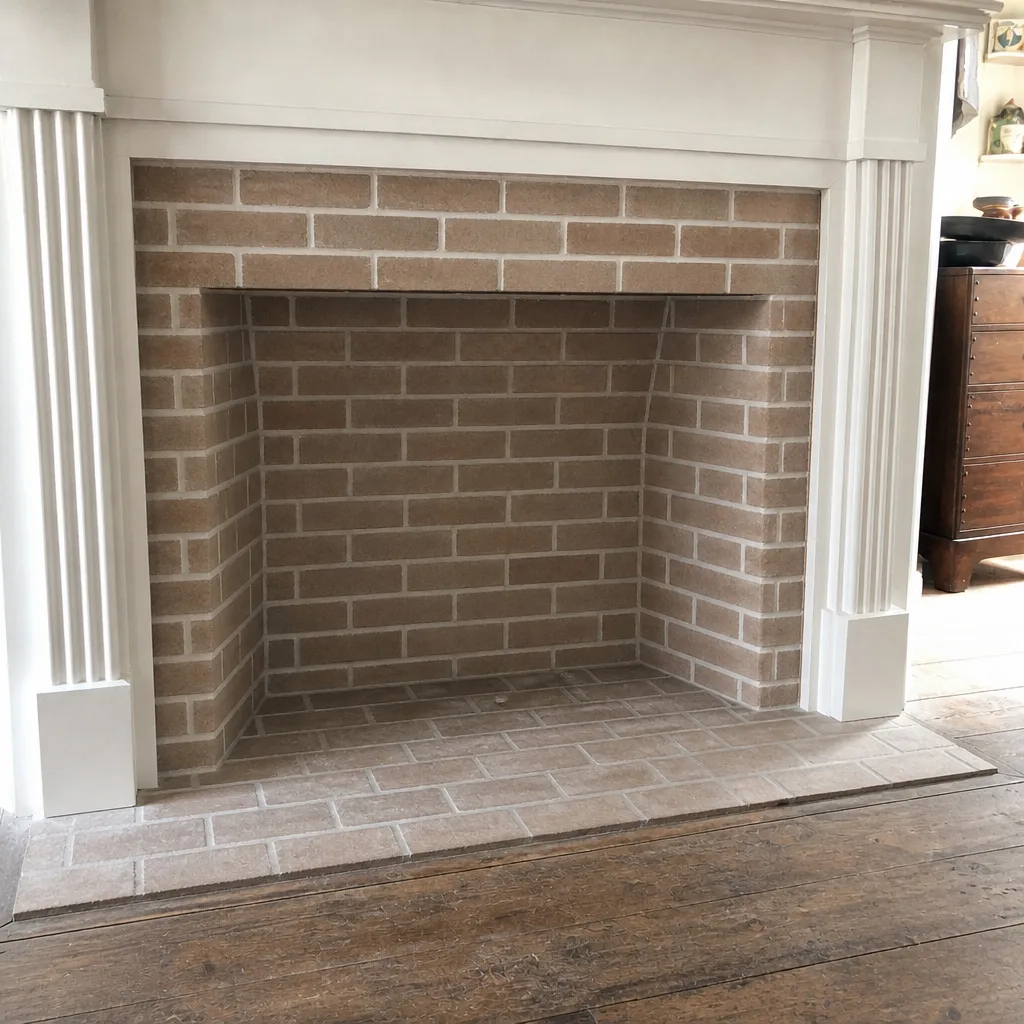
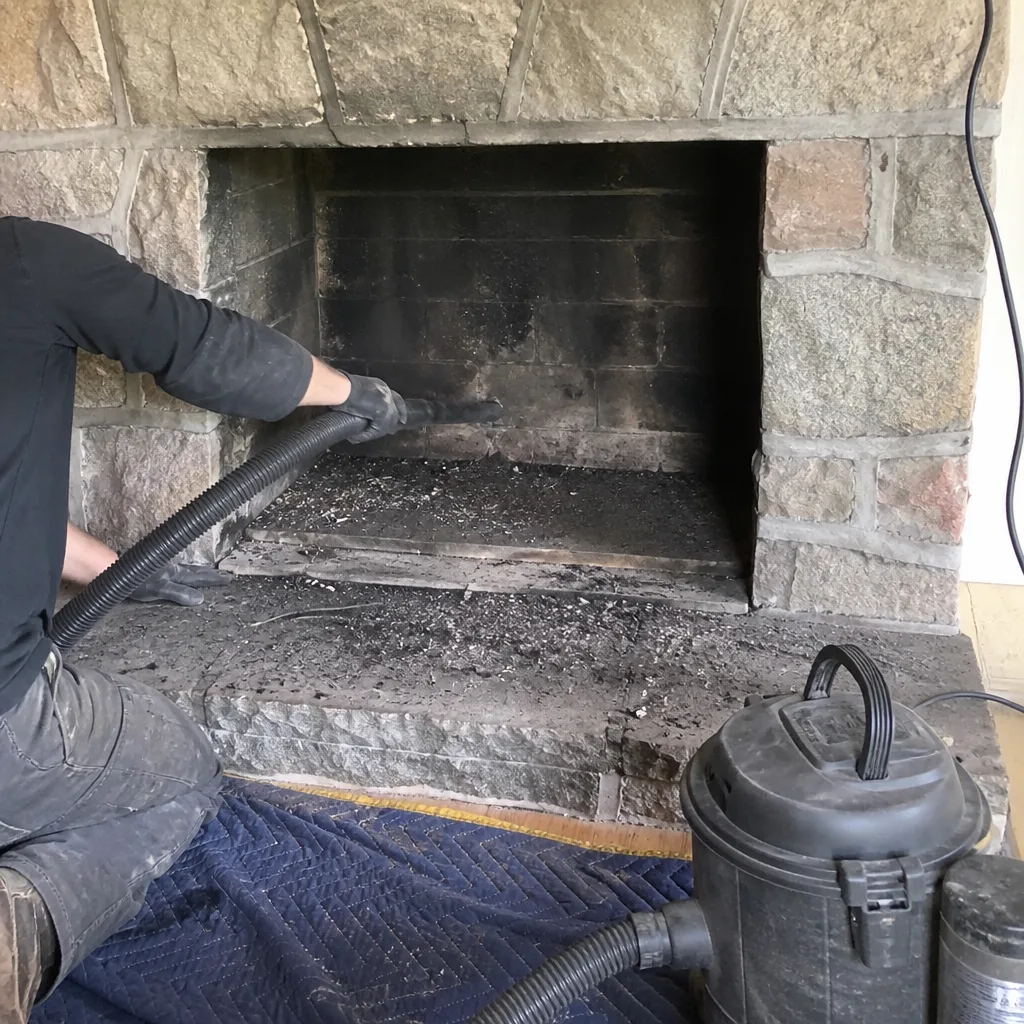
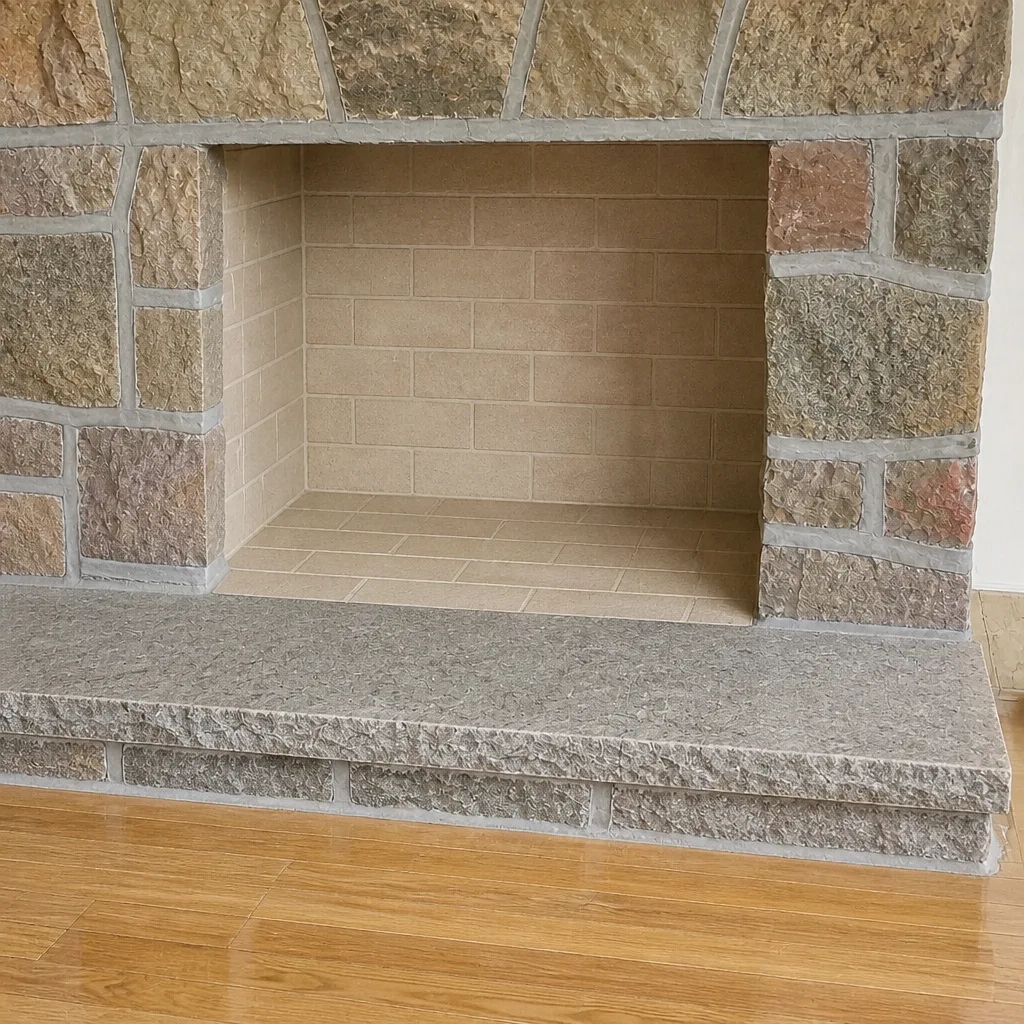
See the difference
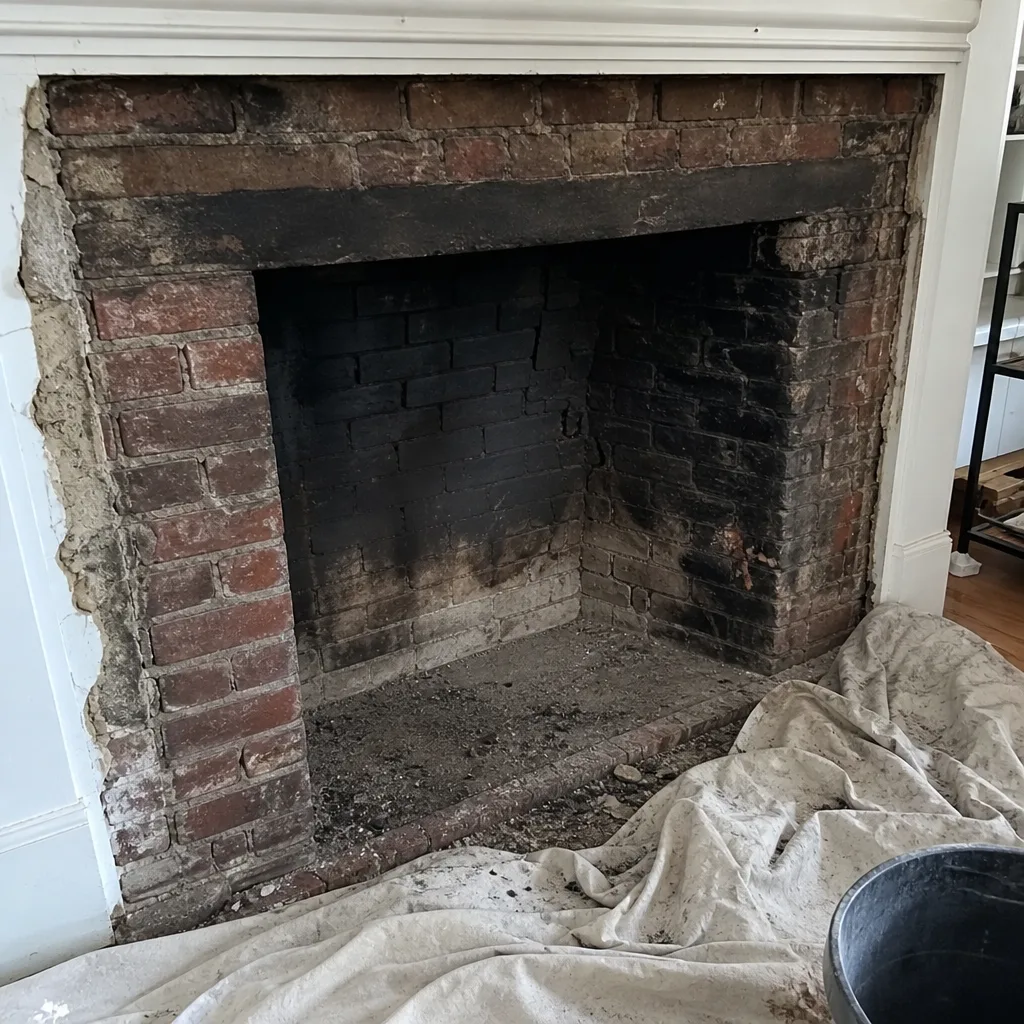 Before
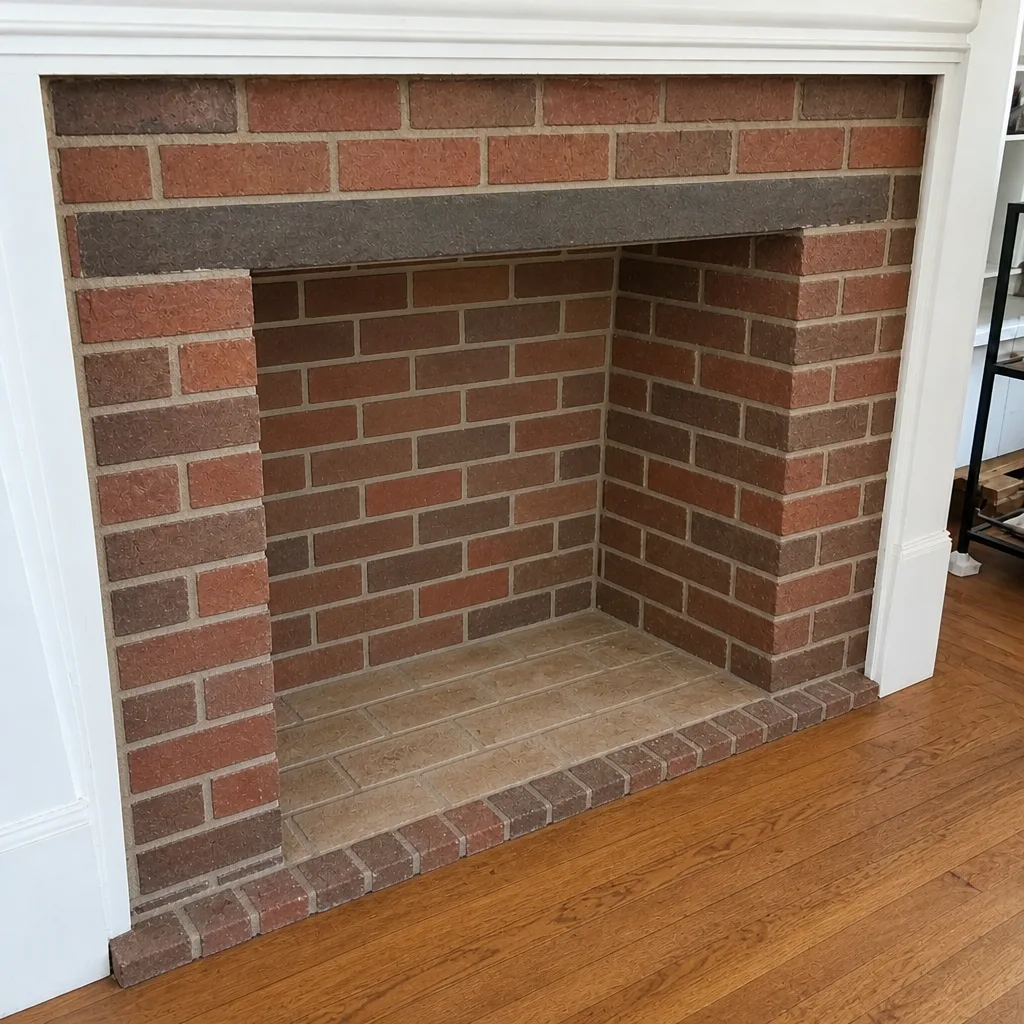 After
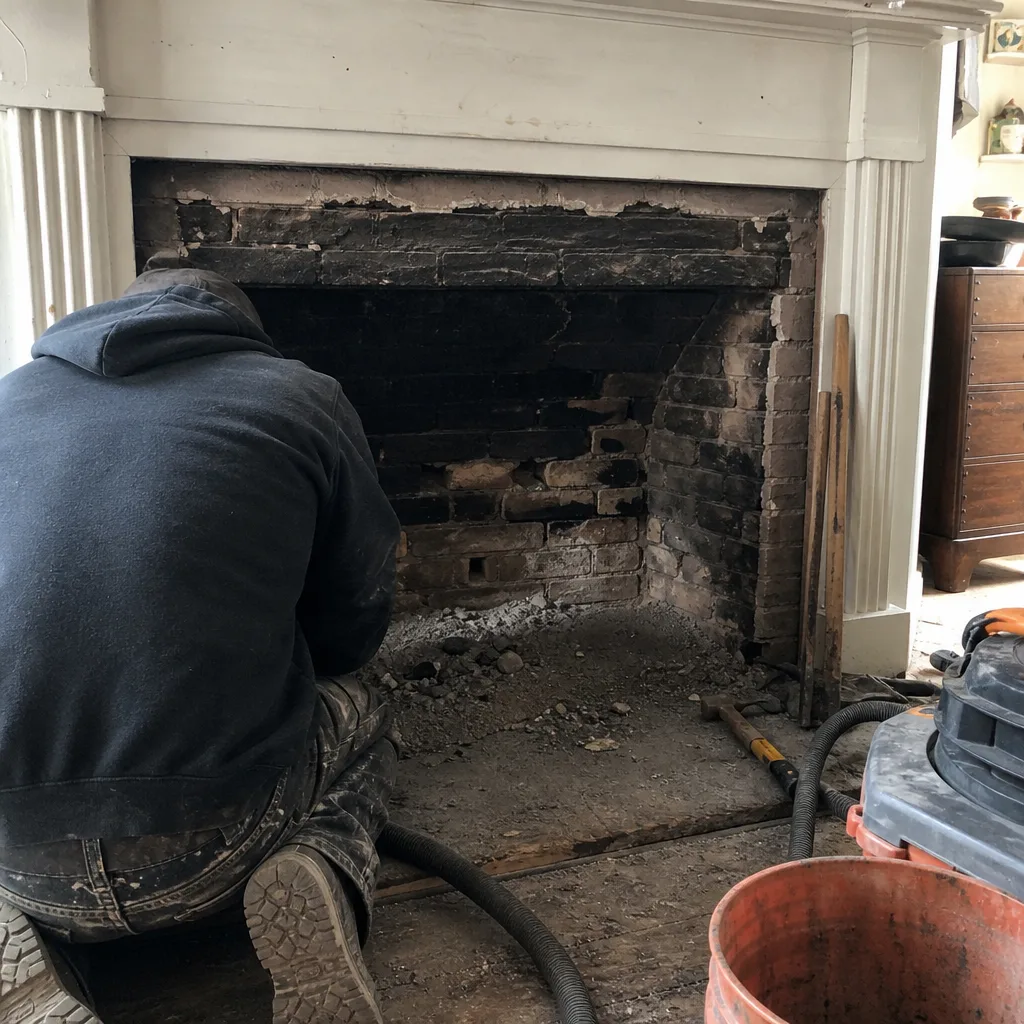 Before
 After
 Before
 After
When to Call a Professional
Call a professional chimney sweep in Jamaica Plain if any of the following apply: you don’t know what kind of liner your flue has, the chimney has ever served oil or coal, your flue has an offset, you’re seeing glazed creosote or heavy buildup, the roof is steep or the weather is bad, your building is a multi-unit, or you’ve never had the flue inspected with a camera. Any of those conditions puts you outside the safe DIY zone. Also call if you’re buying or selling a home and need a documented inspection for the transaction, or if your insurer is asking for a sweep record.
Chimney Sweep Jamaica Plain offers free estimates in Jamaica Plain – call (844) 443-3530. We answer 24/7. Fast dispatch from 7am to 7pm, Sunday through Friday. We inspect first, then recommend. If your chimney is in the DIY-safe category, we’ll tell you that too.
Frequently Asked Questions
You can clean your own chimney in Jamaica Plain if you have a straight, fully lined flue in verified good condition, burn only dry wood, have safe roof access, and can inspect the flue interior afterward. Most JP triple-deckers and older converted chimneys fail at least one of those conditions, and those cases need a professional. When in doubt, get the flue inspected once before deciding.
A standard chimney cleaning in Jamaica Plain typically costs $180 to $350, and a Level 2 camera inspection adds $250 to $450 depending on the scope. The written estimate sets the final price. Call (844) 443-3530 for an exact quote – estimates are free.
Yes, at least every few years, because brushes don’t reveal the state of the liner behind them. Camera inspection is the only way to see tile cracks, missing liner sections, and creosote shoulders at flue offsets. Older JP flues commonly hide at least one of these. Call (844) 443-3530 to schedule an inspection.
Once a year for most actively used wood-burning chimneys, and more often if you burn frequently or see heavy buildup. Annual is the baseline for safety and code, and the right interval for your specific chimney depends on burn volume and how cleanly you’re burning. Call for an exact recommendation based on what’s in your flue.
Creosote builds up in the flue, and in sufficient quantity it can ignite into a chimney fire. Separately, a cracked or blocked flue can let carbon monoxide back into the house. Those are the reasons a sweep is a safety service, not just housekeeping. Call (844) 443-3530 if it’s been more than a year.
No. An oil-to-wood conversion almost always means the original flue isn’t engineered for wood, and the liner may need replacement before any cleaning is meaningful. A camera inspection comes first in that case, not a brush. We see this pattern often in Jamaica Plain’s older homes. Call for an inspection before the next burn season.
The Bottom Line
DIY chimney cleaning isn’t irresponsible, but in Jamaica Plain it’s genuinely responsible for fewer chimneys than the tutorials assume. The right flue, the right equipment, and the right burn history can make a homeowner sweep safe and sufficient. Most older and converted JP chimneys, and most multi-unit buildings, don’t meet all three. The one part of the work that never has a DIY substitute is the camera inspection, because it’s the only step that finds what a brush can’t. If you’re unsure which category your chimney falls into, get it looked at once. That inspection tells you more than any article can. Written by the team at Chimney Sweep Jamaica Plain.
Ready to schedule a sweep or inspection? Call (844) 443-3530. We answer 24/7. Fast dispatch from 7am to 7pm, Sunday through Friday. Estimates are free, and inspection comes before any recommendation.
Written by the team at Chimney Sweep Jamaica Plain.